Apple’s Services and AI Transition: Navigating the Post Cook Era
Apple stands at a major turning point in its corporate history. Tim Cook will step down as CEO on September 1 2026. This transition marks the end of an era defined by operational mastery. However the future of the company now depends on Apple’s Services and AI Transition. This shift moves focus away from hardware sales toward digital ecosystems. Because of this change the upcoming leadership must pivot toward software innovation.
The services segment has grown into a massive financial engine. In the quarter ending December 2025 this business reached a record revenue of 30 billion dollars. This represents a 14 percent increase over the previous year. For the full fiscal year 2025 the segment generated over 109 billion dollars. Therefore the success of the brand is now tied to recurring subscriptions.
As the leadership changes the company must also master generative intelligence. Integrating advanced features like Apple Intelligence into the iPhone is now a top priority. Consequently the incoming CEO faces the challenge of merging hardware excellence with powerful software tools. This strategy will define whether the tech giant remains a leader in the next decade. As a result the world is watching how the firm handles this massive technical evolution.
The Economic Engine of Apple’s Services and AI Transition
Apple’s services segment reached a record 30 billion dollars in the final quarter of 2025. This growth represents a 14 percent increase from the previous year. For the full 2025 fiscal year the segment generated over 109 billion dollars. Consequently the brand has successfully pivoted toward a subscription model.
Hardware replacement cycles are becoming longer for many global users. Therefore the company relies on monthly fees to maintain high profit levels. Specifically services like iCloud and Apple Music provide steady cash flow. This creates a stable financial foundation for the tech giant. Additionally these platforms keep users within the ecosystem.
Analysts recognize the power of this digital integration. For instance one analyst provided a clear view of the strategy. “It’s the subscription layer on top of iOS, and almost all of the service apps are tightly integrated with Messages, the glue that keeps people stuck to their iPhones.” This connectivity ensures that customers remain loyal to the brand.
Because of this the transition is about more than just money. It involves a shift toward intelligent features. Apple Intelligence will likely drive further growth in the services category. Specifically the brand can offer personalized experiences to its users. Furthermore this strategy helps the company compete with other tech leaders.
This journey started long ago. Specifically the company launched the App Store in 2008 which was one year after the original iPhone debut. This historical success allows the firm to invest in future tools. Visit the Emp0 articles page for more insights. For more details on fiscal performance visit the Apple Newsroom.
Comparing Strategic Focus Eras
The firm is currently undergoing a significant transformation. Because the leadership is changing the strategic goals are also different. Consequently the business model now emphasizes recurring revenue over individual product sales. Therefore we can examine the core differences in this table. John Ternus led the move to Apple Silicon before becoming the new leader. Users can explore Apple Music to see these services in action. Additionally the Apple Newsroom provides updates on these transitions.
| Era | Primary Driver | Core Technology |
|---|---|---|
| Jobs Cook Hardware Era | iPhone and Intel and Physical Sales | Legacy Hardware Systems |
| Ternus Services and AI Era | Apple Intelligence and Subscriptions | Apple Silicon and Generative AI |
The Brain Transplant: John Ternus and Apple Intelligence
John Ternus is preparing to take the helm at Apple. Specifically he previously served as the senior vice president of hardware engineering. Consequently during his time there he led the vital shift from Intel chips to Apple Silicon. This strategic shift is at the heart of Apple’s services and AI transition. Because the brand needs powerful chips to run complex AI models his background is perfect.
The transition to custom silicon was a massive undertaking. One internal report described this move as a system and platform level transition. Specifically it was essentially a brain transplant that required a very high level of execution. Furthermore it needed tight cross functional coordination across many departments. This success proves that Ternus can handle deep technical shifts.
Specifically now the focus is on Apple Intelligence. This is the official moniker for the new smart features in products like Siri. As a result these features rely heavily on the power of Apple Silicon. Therefore the hardware and software must work together perfectly. You can learn more about How Will Apple’s AI Developments Reshape Wearables? Articles on our blog.
Apple is also forming strategic partnerships. For example the company has a multiyear agreement with Google. This deal will integrate the Google Gemini AI model into various products. As a result users will gain access to cutting edge generative tools. This partnership shows how the firm balances internal and external innovation.
The move toward smart tech also involves sustainability goals. The company aims for a net zero carbon footprint by 2030. Check this guide on AI and the 2030 Net Zero gamble for more details. Additionally balancing high performance chips with environmental safety is a major challenge. However the new leadership seems ready for this task.
Running Large Language Models or LLMs requires significant processing power. Apple Silicon provides the necessary efficiency for these tasks. Furthermore these chips help manage text memory for better user experiences. Read how text memory drives AI context and personalization for more information. Therefore the hardware legacy of John Ternus is a strategic asset.
CONCLUSION
Apple is entering a bold new chapter. The company has moved beyond mere hardware sales. Instead it is becoming an AI first services powerhouse.
This shift ensures that every iPhone user remains connected through software. By leveraging Apple Silicon the brand can run complex intelligence models locally. Consequently this strategy secures high margins and long term customer loyalty.
Businesses everywhere can learn from this evolution. You can also achieve this level of technical mastery. Employee Number Zero LLC or EMP0 provides a full stack brand trained AI worker for your team.
This digital assistant helps companies automate complex tasks and drive growth. Because it understands your unique brand voice the AI delivers consistent results. EMP0 offers several powerful ready made tools.
For instance the Content Engine streamlines your writing process. Additionally the Marketing Funnel optimizes lead generation. Furthermore Sales Automation helps close deals more efficiently.
Therefore your business can scale without increasing overhead costs. To learn more about these innovations visit articles.emp0.com. You can also find us on n8n. Stay updated by following our blog or other digital platforms.
Frequently Asked Questions (FAQs)
What defines Apple’s Services and AI Transition?
This transition involves moving focus from hardware units to software services. Because the market is changing the company now emphasizes recurring subscriptions. Consequently tools like iCloud and Apple Music drive steady growth. This strategy helps the firm maintain high revenue levels despite longer hardware cycles. Furthermore it allows for deeper integration within the digital ecosystem.
When will the leadership change occur at the firm?
Tim Cook is scheduled to step down on September 1 2026. Therefore the company is preparing for a new era of management. John Ternus will take over as the next chief executive officer. Because he has a deep background in engineering he is well suited for the role. This change marks a significant shift in corporate strategy.
Why is John Ternus a significant choice for CEO?
John Ternus previously led the hardware engineering department. Specifically he managed the successful move from Intel chips to Apple Silicon. This transition was a critical system level shift for the company. As a result his experience is vital for future AI integration. He understands how to merge powerful hardware with advanced software features.
How does Apple Silicon support the new intelligence features?
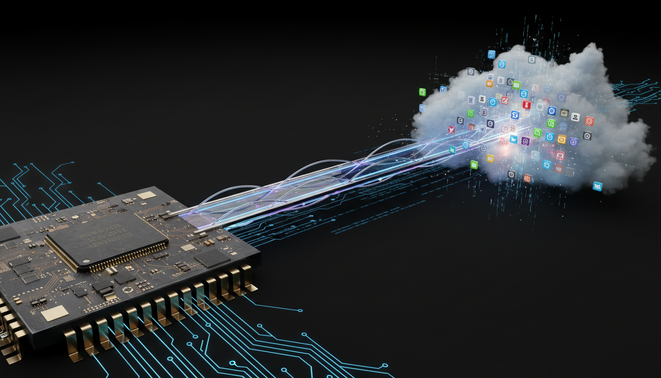
Apple Silicon provides the high performance needed for large language models. Because these chips are efficient they can process AI tasks locally. This improves user privacy and reduces reliance on cloud servers. Consequently the company can offer faster and more secure intelligent tools. This hardware foundation is essential for the success of Apple Intelligence.
What is the nature of the Google Gemini partnership?
The brand has a multi year agreement to integrate Google Gemini models. As a result users will benefit from advanced generative capabilities. This deal allows the company to offer cutting edge tools alongside its own systems. Furthermore it shows a willingness to collaborate with other tech leaders. This partnership enhances the overall value of the service ecosystem.