The Ultimate Guide to API and System Integration
Imagine a rapidly growing e-commerce company that has just experienced its best quarter to date. Consequently, sales are through the roof. Customer acquisition costs are dropping rapidly. Additionally, the brand is gaining unprecedented market traction. Behind the scenes, however, the company is quietly fracturing. Specifically, the customer support team is manually copying order details. They move this data from the storefront into a legacy ticketing system. Additionally, the warehouse staff is updating inventory spreadsheets by hand. This happens because the fulfillment software cannot communicate with the main database. Siloed systems are actively destroying the company’s ability to sustain its growth. Therefore, operating with disconnected software is no longer just an inconvenience. In the hyper-competitive landscape of 2026, it is a massive liability. Consequently, it threatens business survival.
Isolated databases create severe bottlenecks for modern businesses. Specifically, they lead to data duplication, human error, and sluggish response times. Therefore, leaders who want to scale effectively must prioritize system integration as a foundational strategy rather than an IT afterthought. This comprehensive guide explores how modern connectivity drives genuine digital transformation across industries. Additionally, we will examine how modern platforms enable rapid software deployment. We will also unpack the ways intelligent process automation fixes broken operational designs. Consequently, by the end of this guide, you will understand exactly how to unify your technology stack. This will help you achieve maximum efficiency and unlock new levels of growth.
The Foundation of Modern System Integration
To appreciate the power of a unified technology stack, we must first understand modern digital architecture. Therefore, we should examine its core components. Application Programming Interfaces (APIs) serve as the vital bridges between disparate applications. You can think of an API as a digital translator or a restaurant waiter. For example, a waiter takes your order and delivers it to the kitchen. He then returns with your food. Similarly, an API takes a request from one software system. It delivers it to another and returns the necessary data. This seamless, instant communication is the absolute bedrock of system integration.

Connecting the Enterprise Stack
Connecting existing technology stacks is crucial for scalability. This is especially true as companies adopt a wider array of specialized software tools. Consequently, modern businesses prefer to use best-in-class tools for specific functions. They avoid relying on a single, monolithic software suite that does everything poorly. Integrating these platforms has become a core competency of modern technology consultancies and AI automation agencies. These experts focus on seamlessly linking vital enterprise platforms to create a unified data ecosystem:
- Customer Relationship Management (CRM) systems for tracking sales and client interactions
- Enterprise Resource Planning (ERP) software for managing supply chains and financial data
- Internal communication platforms to keep remote and hybrid teams aligned
- Cloud-based data warehouses that serve as the single source of truth for business intelligence
When these systems talk to one another, businesses achieve a frictionless operational design. Consequently, data flows organically from the marketing department to sales. It then goes straight through to fulfillment and customer success. You do not always need to write complex custom code to achieve this harmony. Additionally, many specialized agencies utilize pre-built modules. They use powerful no-code platforms to eliminate the traditional hurdles of software development. Moreover, industry insights from tech analysts like DevsData highlight this trend. They show that leveraging these no-code tools simplifies system integration. Therefore, enterprise-grade automation becomes accessible to solo founders and Fortune 500 leaders alike.
The Rise of AI and Agentic Architectures
Traditional APIs rely on strict, rule-based programming to move data from point A to point B. However, artificial intelligence is completely redefining how systems interact. Static APIs are rapidly evolving into dynamic, intelligent networks capable of making autonomous decisions. Additionally, AI automation agencies are shifting their focus toward agentic architectures. This is a paradigm where software does not just pass messages. Instead, it actively understands and acts upon them.

In an agentic architecture, AI agents act as digital employees. Specifically, they monitor data streams and identify anomalies. They also trigger complex workflows without requiring human intervention. For example, if a high-value client submits a support ticket, an AI agent can instantly analyze the message. It then pulls the client’s purchase history from the CRM. Additionally, it checks the ERP for recent shipping delays and drafts a personalized response. This level of interconnected intelligence was science fiction a decade ago. However, in 2026, it is rapidly becoming the industry standard.
Rapid Deployment and Innovation
Because these AI agents operate autonomously across your enterprise software, they drastically accelerate operational innovation. Sophisticated AI workflows can now be designed, tested, and deployed within a matter of weeks. Consequently, recent reports from automation experts like The JADA Squad indicate rapid progress. They show that capable agencies use this speed to help clients. Therefore, businesses can bypass the agonizing, multi-year enterprise software deployments of the past. Instead of waiting two years for a massive system overhaul, companies can deploy agile AI agents. These agents immediately bridge the gaps between existing legacy systems.
Specialized firms are driving this automated revolution forward at breakneck speed. For example, HatchWorks AI is a leading player in this space. Founded in Atlanta in 2016, they employ a dedicated team of specialists. These experts focus entirely on delivering cutting-edge, AI-driven software solutions. Consequently, by partnering with these firms, tech entrepreneurs gain a massive competitive advantage. They benefit from both traditional API architecture and modern generative AI capabilities. Therefore, they can pivot faster and serve customers better. Additionally, they operate with a fraction of the overhead required by slower-moving competitors.
The Impact of System Integration on the Bottom Line
The data surrounding process automation paints a clear picture of its immense value. However, a common mistake business leaders make is assuming that every single internal process requires artificial intelligence. This is often unnecessary. The reality is that businesses benefit the most when they strategically target specific, highly repetitive tasks. Specifically, the best targets for automation are identifiable, repeatable processes. These tasks consume significant team time. However, they do not require nuanced human judgment or creative problem-solving.
Automating these basic, high-volume tasks yields massive financial returns. Consequently, when employees are freed from mind-numbing data entry, they can redirect their energy. They can focus on strategic initiatives, relationship building, and product innovation. Additionally, industry metrics from early 2026 show that properly implemented system integration reduces operational delays by over 40%. They also simultaneously slash error rates. Therefore, solo founders and small teams can scale their operations. They can handle enterprise-level volume without needing to hire massive support staffs. Moreover, combining reliable APIs with intelligent AI agents creates an unstoppable workflow automation engine. This powerful combination drives sustainable profitability.
Comparing System Integration Approaches
Choosing the right integration strategy is critical for your business’s long-term success. Specifically, the landscape offers several distinct paths. Each option has its own advantages, deployment timelines, and technical requirements. Evaluating these options carefully ensures you align your technology investments with your actual business needs.
| Integration Approach | Deployment Speed | Technical Skill Needed | Best Business Use Case |
|---|---|---|---|
| Traditional Enterprise Software | Months to Years | High (Dedicated Developers) | Legacy System Overhauls and Highly Custom Security Needs |
| No-Code Platforms | Days to Weeks | Low to Medium | Basic Process Automation and Simple Data Syncing |
| Agentic Architectures | Weeks | High (AI Automation Agencies) | Dynamic Workflow Automation and Complex Decision Routing |
Traditional enterprise system integration often involves building custom middleware from scratch. While this offers maximum control, it is notoriously slow and expensive. Additionally, no-code platforms offer a fantastic alternative for straightforward tasks. They allow non-technical staff to connect apps using visual interfaces. Moreover, agentic architectures represent the sweet spot for modern growing businesses. They offer the advanced capabilities of custom development. However, specialized agencies can deploy them rapidly using modern AI frameworks.
Workflow Automation Flowchart
Understanding this complex architecture requires a clear, visual mental model. Examining a modern workflow automation flowchart helps demystify how data moves through an integrated business environment.
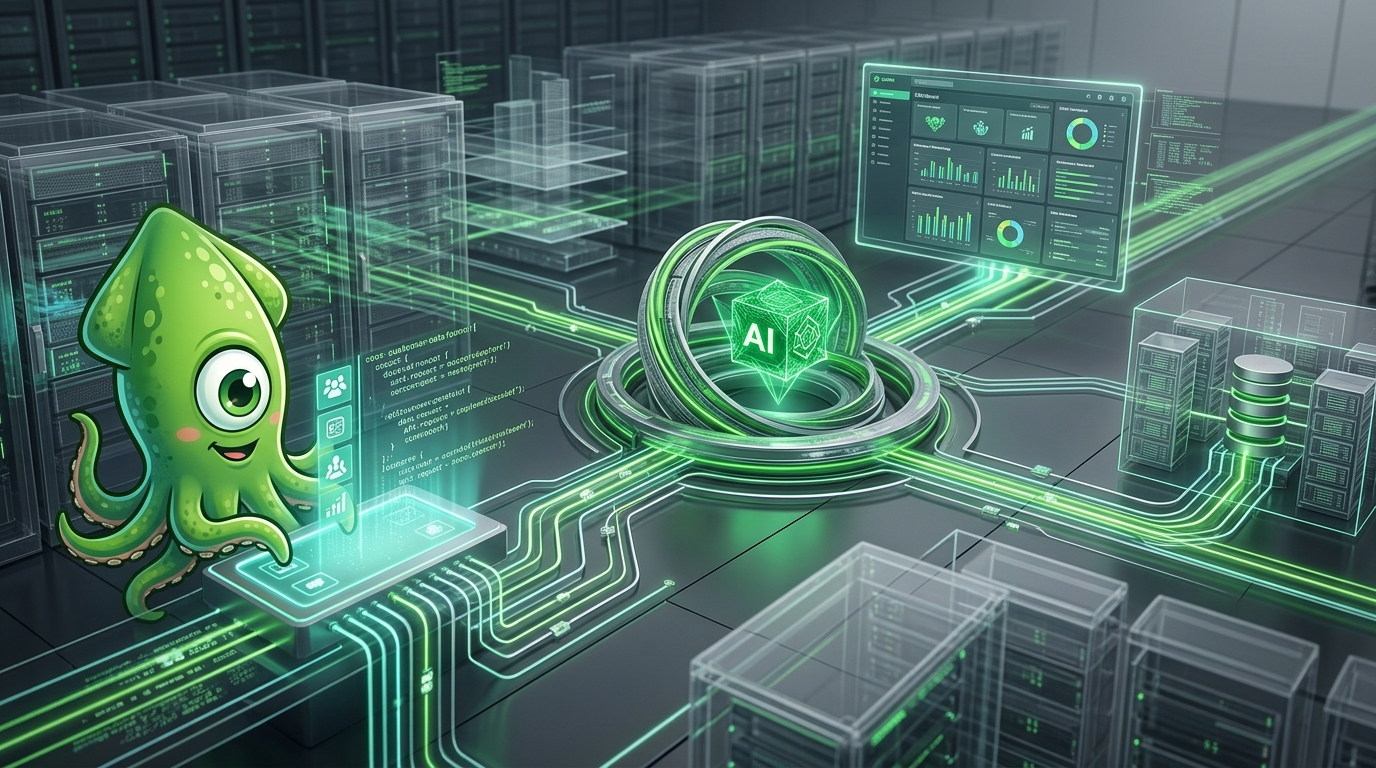
Specifically, the process typically begins with incoming data from a user interface. For example, a customer might submit a lead form on a website. Consequently, the data travels securely through an API gateway. This gateway authenticates the request and ensures malicious payloads are blocked. Additionally, an intelligent routing system then takes over. It directs the digital payload to the appropriate internal channels. Moreover, autonomous AI agents intercept the data to process it. For example, they might enrich the lead information by automatically searching public databases. Finally, the agents update the CRM and ERP systems simultaneously. This ensures that the sales team has immediate access to the new lead. Meanwhile, the marketing database logs the attribution data. Therefore, this visual proves how seamlessly agentic architectures function in real-time. Consequently, they completely eliminate the need for manual data entry.
Conclusion
Mastering API and system integration is an absolute mandate for any business hoping to thrive in 2026 and beyond. Specifically, we have explored how APIs serve as foundational bridges. They connect siloed enterprise software and transform fragmented tools into a cohesive ecosystem. Additionally, we highlighted how modern AI automation agencies deploy sophisticated workflows in mere weeks. Consequently, they replace outdated, multi-year deployment cycles with agile, intelligent systems.
Therefore, start by auditing your current operations. This will help you identify highly repeatable processes that drain your team’s time. Once identified, leverage modern no-code platforms. Alternatively, you can partner with specialized integration agencies to automate those bottlenecks. Consequently, you will save valuable time and reduce costly errors. This will dramatically accelerate your digital transformation journey. Are you ready to upgrade your operational design? Therefore, contact a specialized integration agency today to start building your automated future.
Frequently Asked Questions
What are AI automation agencies?
AI automation agencies are specialized technology firms. Specifically, they design, build, and deploy artificial intelligence solutions for businesses. Additionally, they focus heavily on connecting existing technology stacks. They link CRMs, ERPs, and marketing platforms to create unified systems. Consequently, by implementing intelligent workflows, they help businesses streamline daily operations. This reduces manual labor and unlocks new efficiencies.
What are agentic architectures?
Agentic architectures are advanced system designs that utilize autonomous AI agents to manage data and execute tasks. Unlike traditional software, these agents do not wait for explicit human commands. Instead, they can monitor systems and make contextual decisions. They also route data independently based on predefined business logic. This creates highly dynamic, responsive, and self-optimizing workflow automation systems.
How fast can AI workflows be deployed?
Thanks to advancements in AI frameworks, capable agencies can now build sophisticated AI workflows. Specifically, they can test and deploy them within a matter of weeks. Consequently, this rapid deployment speed is a game-changer. It allows businesses to realize return on investment almost immediately. Therefore, they bypass the traditional, multi-year enterprise software deployments.
What types of processes should be automated first?
Businesses should prioritize automating identifiable, highly repeatable processes that occur frequently. Look for administrative tasks, data entry requirements, or basic reporting duties that consume significant team time. Specifically, the ideal candidates for initial automation are tasks that follow clear rules. They do not require nuanced human judgment, empathy, or complex creative problem-solving.