
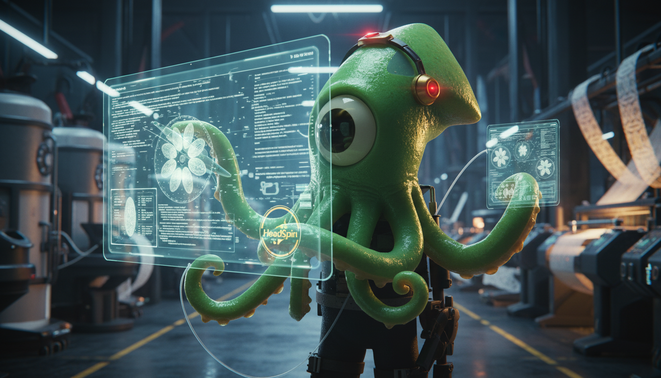
Technological Transformation and Industry Modernization: Bridging the Gap from AI Assistance to Autonomy
Sericulture represents a delicate dance between biology and precision. Farmers monitor temperature and humidity with extreme care because silkworms are sensitive creatures. In just twenty five days, a silkworm grows nearly a thousand times its original size. This ancient art mirrors the intricate nature of modern software testing today. Both fields demand high accuracy and constant oversight to succeed. Technological Transformation and Industry Modernization is now reshaping these traditional landscapes at an incredible pace. Consequently, we are moving beyond simple tools toward fully independent systems.
The current shift focuses on creating a production ready execution layer for businesses. Many organizations understand Why Future Business Digitization and AI Integration beats bureaucracy? Articles because it streamlines complex workflows. Instead of just helping a human tester, AI now acts as an autonomous agent. For instance, computer vision can now detect early signs of diseases in silkworm larvae with over 99% accuracy. This change allows teams to ship software or produce silk with significantly more confidence. Therefore, the role of artificial intelligence is evolving from a basic assistant to a primary driver.
This progression marks a significant milestone in how we approach technical work. Systems can now take direction and adapt to changes without human intervention. As a result, the economy of quality assurance work is changing forever. This evolution ensures that industries remain competitive in a digital first world. We are witnessing the birth of a new era for autonomous execution. High precision tools now manage tasks that once required constant manual input. Because of these advances, the gap between human guidance and independent action is closing fast. Modern systems do not just support humans but perform tasks independently to ensure optimal results.
The Biological Blueprint: Sericulture and Technological Transformation and Industry Modernization
India stands as the second biggest silk producer globally. This massive industry relies on Sericulture to generate four unique silk varieties. These varieties include Mulberry, Tasar, Eri, and Muga silk. Precision farming is now essential because silkworms are extremely sensitive creatures. Any small change in temperature or humidity can harm the final yield. Therefore, farmers at Asho Farms use advanced sensors to monitor environments. These tools ensure that the silkworms grow nearly a thousand times in size within twenty five days.
Dr. Jolapuram Umamaheswari explains this shift beautifully. She says, “Silk farming sits at a rare intersection of biology, precision, and business. It didn’t feel like I was leaving science, it felt like I was applying it differently.” This scientific approach relies heavily on Computer vision technology today. The Central Silk Board supports these innovations to improve industry standards across the country. For instance, AI powered systems detect early signs of disease in larvae with over 99 percent accuracy. This high level of precision prevents massive crop failures for local farmers. As a result, the industry moves toward a more stable production model.
Technological Transformation and Industry Modernization also impacts the waste management process. Dried silkworm pupae are a common by product of the reeling process. These pupae contain more than 50 percent protein. Consequently, they serve as nutrient dense food for poultry and fish. This circular economy increases the overall value of the silk production cycle. Modern reeling machines also produce between 50kg and 60kg of raw silk daily. Because of these advances, the craft is turning into a high tech manufacturing sector. The integration of technology ensures that biological needs meet commercial demands perfectly.
Additionally, solar power is making these processes more sustainable. Farmers can now power reeling machines without relying on unstable electrical grids. However, the true transformation lies in the data collected during the growth cycle. Specifically, computer vision monitors the health of every larva in real time. This automated oversight reduces the need for manual inspection. Consequently, labor costs drop while the quality of the silk improves. The transition from manual labor to autonomous systems is truly beginning.
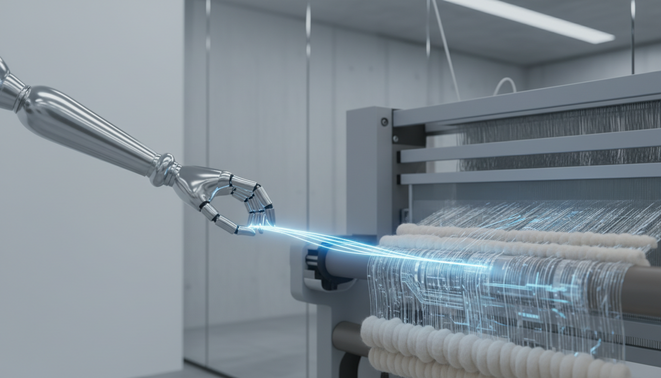
The Digital Blueprint: Software Testing and Technological Transformation and Industry Modernization
The software testing lifecycle is undergoing a massive shift. Manual script writing used to consume most of the testing time. Today, Technological Transformation and Industry Modernization allows for autonomous script generation. This change moves beyond simple automation toward a production ready execution layer. Tools like ACE by HeadSpin Inc lead this revolution. These systems capture the UI DOM at every single step. Consequently, they can autonomously generate and validate testing scripts. This capability represents the true power of Agentic AI in the modern workspace.
Satheesh Kannur highlights this important transition perfectly. He notes, “The future is not another assistant sitting beside the tester. The future is an execution layer that can take direction, act on it, adapt to change, and help teams ship with more confidence.” This vision moves us away from passive tools. Instead, we embrace active systems that understand the context of the application. However, previous attempts at automation often fell short of these goals. Another industry insight reminds us that “AI assistance helped relieve some of that pressure, but it did not fully change the economics of QA work.” This realization drives the current push for total autonomy.
Furthermore, traditional methods often struggle with rapid software updates. Every change requires a human to rewrite or fix existing scripts. In contrast, autonomous systems adapt to UI changes instantly. This resilience reduces the time required for regression testing. As a result, developers can focus on building new features rather than fixing tests. This shift creates a more efficient software testing lifecycle for everyone involved. Therefore, the goal is no longer just to assist but to execute independently. Businesses now demand results that are faster and more reliable than ever before. This digital blueprint ensures that quality remains high even at high speeds. Because of these advances, the industry is entering a new phase of maturity. Modern platforms provide the speed and precision that manual efforts cannot match. Ultimately, this leads to a more robust digital ecosystem for global companies.
The Evolution of Industry Workflows
| Category | AI Assistance (The Copilot Era) | Fully Autonomous Execution (The Agentic Era) |
|---|---|---|
| Decision Making | Testers must approve every script before it enters production. | ACE autonomously generates scripts so manual review is unnecessary. |
| Scaling Potential | Silk production relies on manual checks of environmental sensors. | Computer vision manages larvae health therefore scaling happens naturally. |
| Operational Focus | Tools aim to reduce pressure for humans during work. | Execution layers ensure production ready results without human intervention. |
CONCLUSION
The transition from AI assistance to autonomous execution marks a turning point for global industries. Bridging the gap to independent workflows is the ultimate payoff of Technological Transformation and Industry Modernization. This shift ensures that organizations no longer rely on human intervention for every minor adjustment. Instead, businesses can deploy execution layers that handle complex tasks with high precision. For instance, the progress seen in sericulture and software testing proves that automation is becoming more reliable. Because of these advances, companies can focus on innovation rather than maintenance. Consequently, the digital landscape is evolving into a more efficient and productive ecosystem.
Employee Number Zero, LLC, also known as EMP0, leads this transformative movement. They provide cutting edge AI and automation solutions for businesses of all sizes. Their core offerings include a robust Content Engine and powerful Sales Automation tools. Additionally, their Revenue Predictions service helps clients navigate future market trends with accuracy. EMP0 acts as a full stack, brand trained AI worker for your organization. This system integrates seamlessly with your existing data to provide high value results. Because it is an infrastructure based system, it offers maximum security for all internal processes. This approach allows clients to multiply their revenue without increasing their operational burden.
To begin your journey toward full automation, visit the official website at EMP0 Articles. You can also follow their professional insights on social media platforms. Specifically, their team provides frequent updates on Twitter under the handle Emp0. Moreover, you can find in depth articles about the future of automation on Medium by searching for jharilela. These resources offer valuable guidance for anyone looking to modernize their business workflows. Therefore, staying informed about these technological shifts is essential for long term success. By adopting these autonomous systems, companies can achieve a level of scale that was previously impossible. The era of the agentic AI worker is here, and it is reshaping the world of business execution forever.
Frequently Asked Questions (FAQs)
How does the transition from AI assistance to autonomous workflows benefit businesses?
The shift removes the need for constant human oversight during routine tasks. Because autonomous systems make decisions independently, workflows move much faster. Furthermore, this transition reduces the risk of human error in complex environments. Consequently, teams can focus on strategic growth instead of managing basic tools. This change results in a more scalable and reliable operational model for any modern business.
What specific impact does computer vision have on the silk industry?
Computer vision identifies early signs of disease in silkworm larvae with extreme accuracy. Specifically, these systems monitor the health of every single larva in real time. Because silkworms are sensitive to changes, early detection prevents massive crop losses. Moreover, this technology allows farmers to maintain high quality standards across all silk varieties. Detailed studies on Sericulture show how technology preserves biological precision in farming.
How does Agentic AI improve the software testing lifecycle?
Agentic AI creates an execution layer that can autonomously generate and validate testing scripts. Instead of manual writing, tools like ACE by HeadSpin capture UI elements at every step. This process allows systems to adapt to software changes without human intervention. As a result, regression testing becomes faster and more comprehensive. High tech solutions ensure that software teams ship products with much greater confidence.
Why is a production ready execution layer important for industry modernization?
A production ready execution layer ensures that tasks are completed according to strict industrial standards. These systems do not just provide suggestions but actually perform the necessary work. Consequently, businesses can maintain consistent output without relying on manual labor. Because the system handles the entire process, operational costs decrease significantly. This capability is a core part of Technological Transformation and Industry Modernization today.
How do autonomous systems handle environmental sensitivity in farming?
Automated sensors and AI models monitor temperature and humidity with great precision. Because silkworms grow nearly a thousand times in size quickly, their environment must be perfect. These systems make instant adjustments to ensure optimal growth conditions at all times. Additionally, this technology reduces the burden on human farmers by providing constant oversight. Therefore, autonomous execution protects the biological health of the crop more effectively than manual methods.