
Revolutionizing Enterprise Workflows: The Strategic Shift to Agentic AI Automation
The recent arrival of Kimi K2.6 marks a monumental leap in artificial intelligence capabilities. This Mixture of Experts model boasts a staggering 1 trillion parameters to drive extreme efficiency. It signifies a profound shift in how large corporations approach digital transformation today. Traditional automation often focused on isolated tasks or simple rules. However, the industry is now witnessing a massive pivot toward Agentic AI Automation. This strategic evolution enables systems to move beyond static triggers or basic scripts. Instead, modern enterprises are deploying autonomous multi agent systems to solve complex challenges.
These advanced frameworks do not just follow instructions. They think and adapt to changing environments in real time. Consequently, leaders have shifted the focus from simple task completion to long horizon goal achievement. Because organizations require more agility, they are adopting sophisticated orchestration layers. Moonshot AI highlights this progress with their latest innovation. They define the tool as Kimi K2.6, a native multimodal agentic model that pushes the boundaries of what an AI system can do when left to run autonomously on hard software engineering problems.
This shift represents a fundamental change in the corporate technology stack. Furthermore, it allows engineers to focus on high level strategy while agents handle technical debt. As a result, productivity metrics are reaching unprecedented heights across various sectors. The era of passive software is ending quickly. Now, the rise of autonomous agents promises a future of seamless and scalable operations. These systems use benchmarks like SWE Bench Pro to prove their technical worth in real world scenarios.
Mastering Complexity with Agentic AI Automation and Swarms
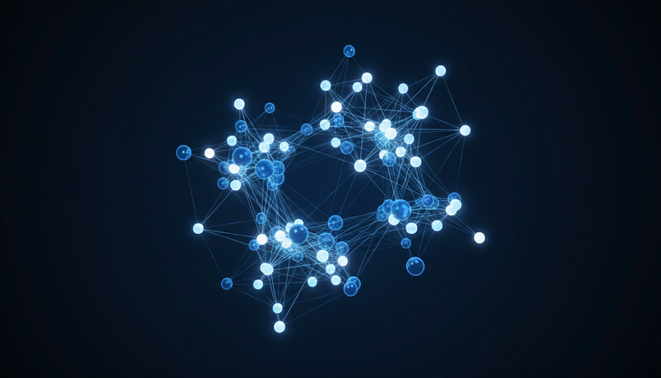
The current landscape of enterprise technology is changing fast. Therefore companies must adopt more advanced strategies to stay competitive. One major advancement involves the use of Agent swarms. These groups of digital workers collaborate on complex projects. They use collective intelligence because single models have limits. This approach represents a true breakthrough in Scalable AI solutions for global organizations.
Moonshot AI has pioneered a remarkable framework called Agent Swarm architecture. This system can scale up to 300 sub agents at once. Furthermore it manages over 4,000 coordinated steps across a single workflow. Because of this massive scale businesses can automate extremely intricate operations. For instance a software team might deploy agents to refactor code and run tests simultaneously. This level of coordination was impossible just a few years ago.
Managing such a large number of digital workers requires robust tools. This is where UiPath Maestro enters the picture. It provides the necessary Multi agent orchestration to keep everything aligned. Because Maestro offers centralized control it ensures that every agent follows corporate policy. You can also study AI Agent Management and Performance Optimization to get the best results from your digital workforce. This helps maintain high quality standards in every automated step.
Industry experts believe this shift is fundamental to modern business operations. One quote explains the change perfectly. It says “It represents a shift from ‘AI does tasks for you’ to ‘AI coordinates a team of heterogeneous agents, some of which you built, on your behalf.’” Consequently the role of the human worker is evolving into one of an architect. You are now designing systems rather than just executing steps. Therefore this strategy significantly improves Enterprise AI Strategy and Infrastructure ROI over time for stakeholders.
The use of autonomous systems also demands new ways of thinking about productivity. For example some teams utilize tools like Claude Opus 4.7 for Senior Engineering roles. These models integrate into the swarm to provide deep technical insights. As a result firms can process data at speeds that were once impossible. They also maintain high standards of quality throughout the entire process. Every step becomes part of a larger and more efficient machine. Consequently the business stays resilient in a volatile market.
Comparing Traditional and Agentic Automation
| Feature | Traditional Automation | Agentic AI Automation |
|---|---|---|
| Parameter Scaling | Relies on basic logic and small models | Employs Kimi K2.6 with 1 trillion parameters |
| Task Duration | Limits users to short scripts and triggers | Supports long horizon tasks as a result of MoE |
| Throughput | Delivers only 15 tokens per second | Provides 193 tokens per second after optimization |
| Reliability | Needs manual oversight so risks remain | Reached 58.6 on SWE Bench Pro for high trust |
Ensuring Mission Critical Reliability through Agentic AI Automation
Achieving high reliability in autonomous systems requires more than just raw power. It demands rigorous validation and testing protocols that match the speed of the software. Therefore many leaders are turning to Agentic AI Automation for their quality assurance needs. This approach ensures that every autonomous decision remains within safe and auditable boundaries. Because trust is essential, developers must focus on transparency at every level of the stack.
Modern platforms like UiPath Test Cloud provide a foundation for this security. They use Autopilot for testers to create robust test cases automatically. For validating agentic workflows in production, specialized test reporting tools like TestDino ensure reliability across CI/CD pipelines. Because these tools integrate directly into the development cycle they reduce human error significantly. Consequently organizations can maintain Enterprise LLM Production Security and Governance standards without slowing down innovation. They also provide clear logs for auditability and compliance.
A powerful example of this capability comes from recent tests involving Kimi K2.6. The model autonomously overhauled an 8 year old financial matching engine over 13 hours. As a result the system achieved a massive 185 percent leap in medium throughput. This demonstrates that agents can handle deep technical debt while improving performance. Furthermore it proves that autonomous agents are ready for high stakes production environments.
Strategic leaders understand that technology alone is not the answer. One expert noted that “True modernization expands beyond new technology and must incorporate auditability, human judgement, and metrics tied to mission outcomes.” Therefore companies must learn How to master AI Agent Management and Performance Optimization? to succeed. This focus on results over hype drives meaningful change in the public and private sectors alike. Consequently the vision of fully autonomous enterprise workflows is becoming a reality.
CONCLUSION
The strategic value of long horizon coding cannot be overstated in today’s digital economy. These advanced frameworks allow businesses to tackle massive technical challenges with ease. Because governed automation frameworks provide safety they are now essential for modern growth.
Leaders like Asif Razzaq emphasize the importance of these secure systems. They help organizations scale while maintaining high quality standards across all departments. Consequently the shift to autonomous agents is the next logical step for every major enterprise.
As you look for the right partner consider Employee Number Zero LLC or EMP0. We are the premier US based partner for premium AI and automation solutions. Because our team understands the complex landscape we offer unique full stack services. EMP0 operates as a brand trained AI worker for your specific needs.
We help businesses multiply revenue through several key tools. These include our powerful Content Engine and high converting Marketing Funnel. Furthermore our Sales Automation services ensure that your leads never go cold.
We focus on deploying secure growth systems directly under your own infrastructure. This approach ensures maximum privacy and control over your sensitive data. Therefore you can achieve Enterprise Operational Reliability and Security Automation without external risks.
Because we prioritize your mission we deliver quantifiable and auditable results. You can learn more about our innovative approach at our blog EMP0 Blog today. Also explore our automation expertise on our website EMP0 Website or find us on Twitter at @Emp0_com. Finally we remain dedicated to pushing the boundaries of what is possible in the world of Agentic AI Automation.
Frequently Asked Questions (FAQs)
What exactly defines Agentic AI Automation in the modern workplace?
Agentic AI Automation represents a move away from simple task bots. It focuses on autonomous systems that can reason and plan. These agents handle long horizon goals without constant human prompts. Because they adapt to new data they offer much higher flexibility than old scripts. Consequently businesses can automate more complex logic than ever before.
How does multi agent orchestration improve enterprise productivity?
This process involves managing a group of different digital agents. Each agent specializes in a specific area like coding or testing. Tools like UiPath Maestro help coordinate their actions to reach a final goal. Because the system manages dependencies automatically it reduces the need for manual oversight. Therefore teams can execute thousands of steps in perfect harmony.
What makes the Kimi K2.6 model a breakthrough for developers?
Kimi K2.6 is a powerful Mixture of Experts model with 1 trillion parameters. It achieved a high score of 58.6 on the SWE Bench Pro leaderboard. This performance surpasses many other leading competitors in the industry. Furthermore it demonstrated a huge throughput increase during model optimization tasks. As a result it can process data at nearly 200 tokens per second.
Why is auditability crucial for the deployment of enterprise AI?
Auditability ensures that every action taken by an AI remains transparent. Companies need to know why an agent made a specific decision. This is especially true for mission critical tasks like financial processing. Because logs provide a clear trail they help satisfy legal and security requirements. Consequently firms can scale their automation without sacrificing corporate governance.
How does the Moonshot AI architecture support massive scale?
The Moonshot AI architecture supports up to 300 sub agents at once. It uses a sophisticated swarm logic to distribute work across the network. Because it can manage 4,000 coordinated steps it solves very difficult problems. This scalability allows firms to overhaul entire legacy engines in hours. Therefore it provides a competitive edge in fast moving markets.