Personal AI Integration and Performance Reliability: The Evolution of Computing
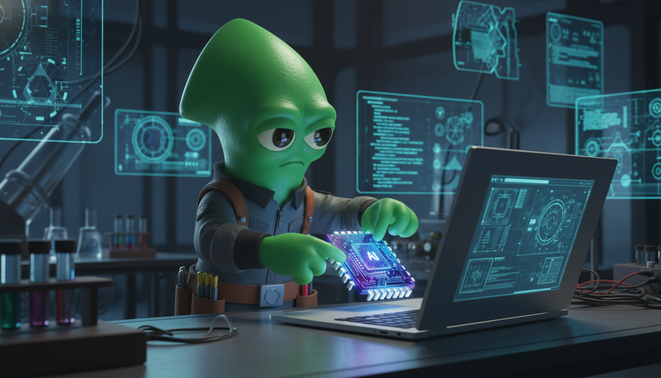
Computers used to be simple tools for daily tasks. We used them for typing or browsing the web. Today we see a massive shift in how we use technology. Computers are becoming specialized teammates instead of basic equipment. This change defines the new era of Personal AI Integration and Performance Reliability.
We no longer just use static software. Instead, we collaborate with intelligent systems. These systems understand our unique needs. They also anticipate our future actions. This evolution marks a major turning point in our digital history.
Jensen Huang recently shared a bold vision for the future. He described this current moment as the reinvention of the computer. Huang claims this change is as significant as the transition to the smartphone era. Nvidia is leading this charge with the new RTX Spark chip.
This hardware allows personal AI agents to run directly on your desk. Because of this local power, users experience much faster responses. However, hardware is only one part of the story. We must also consider how these systems maintain accuracy.
The RTX Spark chip acts as a superchip for modern tasks. It powers a new class of computers designed for intelligence. Major manufacturers like Asus and Dell are already preparing for this shift. They will release new Windows PCs starting this autumn.
These machines focus on personal AI agents that learn from you. Therefore, the way we work will change forever. We are moving toward a future of constant digital assistance. This progress requires both incredible speed and high reliability.
The industry is buzzing with excitement over these developments. Companies like HP and Lenovo are also joining the movement. These new devices will handle complex math and logic. Furthermore, they will provide consistent results across different tasks.
This consistency is vital for professional environments. As a result, the hardware must be more than just fast. It must also be stable and predictable. Consequently, we must prepare for this new computing landscape.
Additionally, the integration of hardware and software will reach new heights. Specifically, the RTX Spark allows for deeper personalization. For instance, agents will manage our schedules automatically.
The Hardware Revolution Led by Nvidia
Nvidia currently sits at the top of the tech world. Its market valuation has climbed above five trillion dollars. Furthermore, this financial success shows how much we value AI chips. Jensen Huang believes we are entering a new era of computing. This era focuses on local processing power for every user. He envisions a world where every computer has the strength of a workstation.
The Power of the RTX Spark Superchip
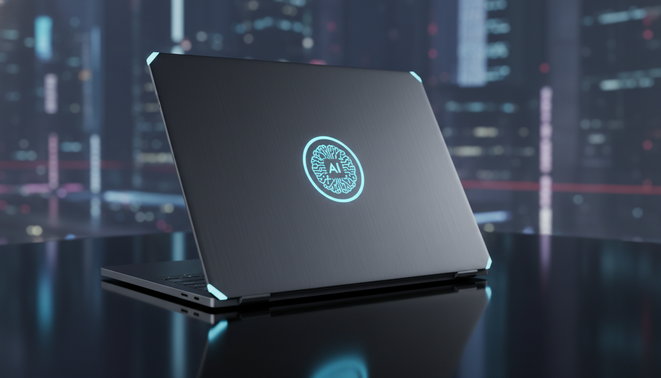
Specifically, the launch of the RTX Spark superchip is a major milestone. This chip is not just a faster processor. It represents a fundamental shift in how hardware functions. The new silicon turns a standard PC into an AI powerhouse. Therefore users can run complex models without relying on the cloud. This provides better privacy and faster results for everyone because the data stays local.
Industry Leaders and Global Regulation
Major brands are already building machines with this technology. Asus and Dell are leading the way with new designs. HP and Lenovo are also preparing new hardware for the market. Microsoft is integrating the chip into future Surface devices along with MSI. Specifically, these machines will run Windows with deep AI integration. As a result your computer becomes a teammate that helps with work. This transition is essential for modern software architectures today.
Global trade rules also play a role in this revolution. The US Department of Commerce has strict rules for exports. These rules protect advanced tech like Blackwell processors. The government wants to keep the most powerful AI tools secure. Consequently, this shows how critical hardware has become for national security. It also highlights the extreme power found in modern silicon.
We are moving away from computers as simple tools. Instead we now have systems that act with agency. They can manage tasks and solve problems independently. This requires incredible speed and efficiency from the hardware. Nvidia is providing the foundation for this change. Understanding AI automation is key to using these tools because intelligence requires reliability.
Personal AI Integration and Performance Reliability Ecosystem
The transition to personal AI agents requires strong collaboration between hardware and software providers. Below is a look at the key manufacturers deploying the RTX Spark superchip starting this autumn.
| Manufacturer | Hardware Category | RTX Spark Deployment Status |
|---|---|---|
| Asus | AI Laptops and Workstations | Autumn Deployment Confirmed |
| Lenovo | Business and Premium PCs | Autumn Deployment Confirmed |
| MSI | High Performance Gaming Systems | Autumn Deployment Confirmed |
| Microsoft Surface | Professional Tablet and Laptop Series | Autumn Deployment Confirmed |
| Acer | Consumer and Business Notebooks | Autumn Deployment Confirmed |
These industry leaders are essential for the Personal AI Integration and Performance Reliability movement. Each brand provides a unique platform for specialized teammates. For more information you can visit the official sites for Asus, Lenovo, and Microsoft. These partners ensure that the new class of computers remains both fast and dependable for all users. Because of these efforts the era of personal AI agents is becoming a reality. Therefore we can expect a significant shift in computing performance this year. Additionally these manufacturers will provide updates on specific model availability soon. MSI and Acer are also providing powerful options for the holiday season. Naturally the focus remains on creating a seamless user experience across all devices. Consequently the market will see a wide variety of AI capable machines very soon. Furthermore these devices will set new standards for local AI processing power. Finally this ecosystem represents the next stage in digital productivity.
Solving the Instability Metric in Personal AI Integration and Performance Reliability
Software must be dependable for true Personal AI Integration and Performance Reliability. Many current models operate as predictive text engines. Therefore they sometimes guess answers instead of calculating them. This creates a gap between neural networks and deterministic math tools. While neural networks excel at language they often struggle with logic. As a result we need better ways to measure consistency. Technical benchmarking allows us to see how models perform over time.
One key measure is the instability metric. This metric tracks how often a model changes its answer. If a model gives different answers to the same prompt it is unstable. A high instability metric means you are essentially plugging a random number generator into your database. This quote highlights the danger of unreliable AI in professional work. Because businesses need facts they cannot rely on random guesses. Furthermore consistent performance is required for all automation platforms. We must ensure that every response remains the same every time we ask. This predictability is the foundation of trust between humans and machines.
This is where specialized testing becomes important for developers. Omni Calculator developed a new test for this purpose. They called it the ORCA benchmark. Specifically ORCA stands for Omni Research on Calculation in AI. This test uses original math problems to challenge the models. Instead of using memorized data it forces the AI to think. Consequently the benchmark reveals the true logic of the system. You can find more industry insights on the official AI blog.
Recent tests show that some models are improving significantly. For example the AI model Grok has reduced its instability rate lately. This improvement means it provides more consistent answers to users. However we still have a long way to go for perfect reliability. Achieving high standards requires a deep focus on technology leadership. Software must work in harmony with new superchips like the RTX Spark. Additionally users must understand how to master automation and control. Detailed information about mathematical testing is available at the official Omni Calculator website.
Reliability ensures that these teammates do not make costly errors. We must treat AI logic as a core part of the system architecture. This approach helps us move toward truly reliable artificial intelligence. Recognizing that our smartest chatbots still guess at math is the first step. After that we can build better safeguards for every user. The industry continues to evolve toward higher standards of truth. Finally these benchmarks provide a roadmap for future development. By measuring errors we can fix them at the source. This leads to a safer digital environment for businesses and individuals alike.
Professional users expect accuracy from their digital assistants. If an agent manages a budget it cannot guess the numbers. Therefore the industry is moving toward deterministic reliability. This means the system will produce the same result every time. High performance hardware from Nvidia supports this goal. Specifically the RTX Spark provides the local power needed for these checks. As a result we are seeing a new class of reliable computing that puts the user in control.
CONCLUSION: The Future of Reliable Personal AI
The future of computing depends on two main pillars. Specifically we need high performance hardware like the RTX Spark chip. Additionally we must use strict tests like the ORCA benchmark to ensure truth. Consequently these two elements create a foundation for trust. This convergence defines the path to Personal AI Integration and Performance Reliability for every user. Therefore we can finally move from simple tools to capable teammates.
Businesses must adopt these tools to stay competitive in a fast market. Employee Number Zero LLC is a US based provider of advanced AI and automation solutions. Specifically they offer the Content Engine and the Marketing Funnel to help firms scale. By using these systems companies can multiply their revenue quickly. Furthermore EMP0 ensures that all AI workers are brand trained and secure. This allows for safe growth without compromising data integrity. Because these agents work locally they provide better privacy for sensitive information.
Choosing the right partner is essential for long term success. EMP0 helps you deploy intelligent agents that understand your unique voice. As a result your marketing and operations become much more efficient. Because these agents work around the clock your team can focus on big ideas. Specifically the goal is to create a seamless blend of human and machine power. You can start your journey today by exploring these innovative platforms. Furthermore the integration of hardware from Nvidia and Microsoft makes this possible. Visit the official blog for more insights on digital transformation.
EMP0 ONLINE PROFILES
Blog: EMP0 Blog
Medium: jharilela on Medium
Twitter X: @Emp0_com
Frequently Asked Questions (FAQs)
What is the Nvidia RTX Spark superchip?
The RTX Spark is a new AI chip designed for personal computers. Because it runs locally it offers incredible speed for users. This hardware allows PCs to move from simple tools to teammates. Therefore you can process data without relying on the cloud. This innovation is a key part of technology leadership shifts and AI hardware innovation.
What does the instability metric measure in AI models?
Specifically the instability metric tracks how often a model changes its answer. If you give the same prompt twice you should get the same result. Consequently a high score means the AI is guessing too much. As a result businesses cannot trust the output for math or logic. You must master AI driven automation and control to fix these errors.
How does the ORCA benchmark improve AI reliability?
Furthermore the ORCA benchmark tests AI using original math problems. Instead of relying on memorized data it forces the model to calculate. For example it stands for Omni Research on Calculation in AI. This helps developers find errors in logic before the software reaches users. It ensures that agentic automation platforms remain consistent and accurate.
What is the role of personal AI agents in modern computing?
Although we used to see computers as passive tools they are now active agents. These agents manage schedules and solve complex problems on your behalf. Similarly they learn from your specific habits over time. Thus they become specialized teammates that help you finish work faster. They represent the next stage in digital productivity for everyone.
How significant is Nvidia market influence in 2026?
Indeed Nvidia has reached a valuation of more than five trillion dollars. Moreover their chips power the entire AI revolution globally. Finally their focus on the RTX Spark shows they lead in consumer hardware. This influence helps major brands like Dell and Asus launch the next generation of PCs. They are setting the standard for the entire tech industry today.
2 Comments
Comments are closed.