Next Generation Technology Trends: Reimagining Digital Interaction
The digital landscape is changing fast. Users are moving away from massive platforms like Meta and Google. Instead, they seek smaller and more meaningful spaces. These Next Generation Technology Trends show a shift toward niche digital communities. People want privacy and shared interests over generic feeds. Therefore, this change signals a new era for how we connect online.
In the past, social media focused on scale. Big Tech giants built empires by connecting everyone at once. However, this model often leads to digital fatigue. Users now prefer intentional interactions in curated spaces. As a result, they look for platforms that offer value rather than just noise. Consequently, we see the rise of startups that prioritize quality over quantity.
Furthermore, strategic governance plays a role in this transformation. Governments and citizens now demand more from tech companies. Because of this, the current evolution affects how digital tools are built and managed. We are moving toward a more structured and purposeful web. Moreover, this article explores the forces behind these significant shifts. We examine how niche networks and new regulations redefine our digital future. In addition, the internet is becoming more fragmented yet more personal.
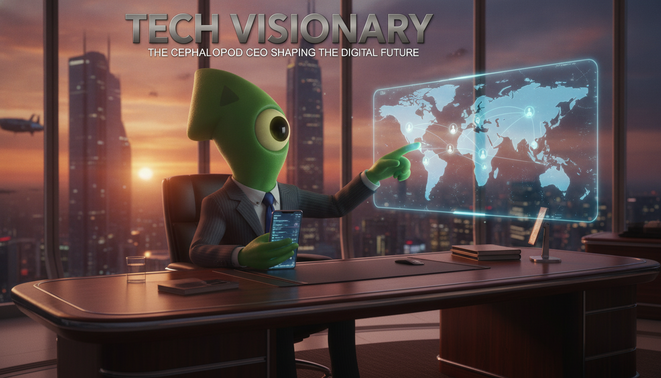
Visualizing the New Wave of Digital Connection

The Rise of Specialized Platforms in Next Generation Technology Trends
The digital world is moving toward smaller hubs. This shift defines the latest Next Generation Technology Trends. Users are tired of huge algorithms. Because of this frustration they choose apps that feel private. Gen Z social networks are leading this new movement. They value real connections over viral fame. Therefore developers are building tools for specific needs.
One example is Retro. Former Instagram members Nathan Sharp and Ryan Olson created this app. It offers a private photo sharing alternative. You can find it at Retro App for a better experience. Users share memories with close friends only. As a result the pressure of public likes disappears. This creates a safe space for personal stories.
Another platform making waves is Corner. This community has over 125000 users. They curate local and international place lists together. It functions like a social version of digital maps. Consequently discovery becomes a collective effort. This shows how niche communities thrive today. People want curated advice from people they trust.
Short form video reboots are also gaining traction. Divine is a prominent reboot of the original Vine app. It currently hosts roughly 500000 videos. Nearly 100000 original creators have joined the platform. You can explore these clips at Divine right now. This trend proves that nostalgia drives modern engagement. You can find more news at Emp0 Articles for more updates.
Furthermore managing digital relationships is more important than ever. Mesh was formerly known as Clay before its acquisition. It now functions as a powerful personal CRM tool. Automattic acquired the service in 2025. You can see its features at Clay to stay organized. This tool helps people maintain deep professional bonds. It organizes contacts by history and relevance. Niche platforms are clearly the future of social interaction.
Comparison of Emerging Social Technology Platforms
Currently, social technology is changing rapidly. Many new platforms serve niche audiences. For example, some apps focus on privacy. Others help users find local spots. This diversity shows a shift in digital habits. Because of this, we compared these rising tools. You can find more tech analysis at PCMag for more insights. Each platform has a specific purpose. As a result, users find more value in these spaces. Therefore, the digital world is becoming more fragmented and focused. Gen Z social networks are leading this change. They also support short form video reboots and niche curation.
| Platform Name | Core Purpose | Unique Feature |
|---|---|---|
| Retro | Private photo sharing | Private circles for friends |
| Corner | Place curation | Community driven place lists |
| Divine | Short form video | Original Vine creator community |
| Mesh | Personal CRM | Automated contact management |
Governance and AI Equity in the Next Wave of Tech
The landscape of digital power is shifting toward direct public involvement. For instance the Trump administration took a 10 percent equity stake in chipmaker Intel during 2025. This move highlights a new era of strategic tech governance. Because of this shift the government acts as a direct stakeholder in vital industries. Consequently manufacturing becomes a matter of national security and public interest. You can visit the official site for more news.
Furthermore Senator Bernie Sanders has proposed a unique one time 50 percent tax on AI companies. This tax would apply to leaders like OpenAI and Anthropic. Specifically the tax would be paid in company stock rather than cash. Sanders believes this ensures the American public essentially becomes a partner with the companies. Therefore citizens would hold a share in the massive profits of future tech. Such concepts where pieces could be given to the American public are gaining support.
Similarly Sam Altman has introduced the concept of a Public Wealth Fund. This fund aims to distribute proceeds from AI growth directly to citizens. Altman argues this is a way where the American people can benefit from the success of AI. In addition such a fund could give the public a direct role in determining the future of this technology. Check for updates on this initiative at OpenAI for more details. OpenAI remains at the center of these equity discussions.
However some critics worry about the long term effects of these policies. For example David Sacks notes that these actions could accelerate the corporate government fusion we are already sliding toward. This fusion might blur the lines between private innovation and state control. Despite these concerns the drive for equity remains strong. As a result we must watch how these new governance models evolve over time.
Finally research and community insights are vital for this transition. You can find deep dives into digital interaction at the main blog right now. Moreover collaboration between systems is essential for progress. New models will eventually support the public wealth funds being discussed today. The internet is truly entering a more structured and purposeful phase. Users can follow updates on these Next Generation Technology Trends as they unfold.
CONCLUSION
The transition in digital interaction is clear. We are seeing a departure from traditional social media. Users now move toward niche and governed systems. Because privacy matters they seek smaller networks. These communities prioritize privacy and intentionality. Additionally AI integrated tools are becoming standard. This evolution changes how we share and store data. Furthermore governments are taking equity stakes in tech. This marks a significant shift in corporate power. Therefore users should prepare for a more structured web.
Employee Number Zero, LLC is at the forefront of this change. Specifically they provide full stack brand trained AI workers to help companies grow. This innovation ensures that businesses remain competitive in a changing market. Their mission is to multiply revenue through secure AI automation. Consequently businesses can scale effectively using these growth systems. EMP0 acts as a leader in this next wave of technology. You can learn more at the main website for further details. Moreover the company maintains a deep knowledge base. You can explore their research at the EMP0 Knowledge Base today.
Following EMP0 on social media is a great way to stay informed. They are active on X at Emp0_com. Since the digital world moves fast regular updates are vital. In conclusion the future of interaction is more personal and governed. We are leaving the era of Big Tech dominance. Instead we are entering an age of specialized networks. These Next Generation Technology Trends will redefine our digital lives for years to come.
Frequently Asked Questions (FAQs)
What makes Retro different from Instagram?
Retro focuses on private photo sharing between friends. Former Instagram team members Nathan Sharp and Ryan Olson built this app. Therefore users share their photos only with a small circle. Because of this privacy the platform avoids public pressure. Consequently it feels much more personal than traditional apps.
What is the scale of the Divine platform today?
Divine is a successful reboot of the Vine app. Currently it hosts roughly 500000 videos for its users. Moreover nearly 100000 original Vine creators have joined the platform. Because of this growth Divine is becoming a major player in short form content. You can find more details at the Divine website right now.
How does the Public Wealth Fund for AI work?
OpenAI proposed the Public Wealth Fund to share growth proceeds. Specifically the fund distributes profits from AI directly to citizens. This ensures the American public can benefit from the success of technology. As a result everyone becomes a partner in the future of AI. Check OpenAI’s official website for more news.
What is the role of Mesh in personal CRM?
Mesh functions as a digital rolodex for professional networks. Automattic acquired the platform in 2025 to improve contact management. It was previously known as Clay before the acquisition. Thus it helps people track and maintain their relationships effectively. You can see its features at the Clay Earth website for more information.
How are government policies changing tech equity?
The Trump administration took a 10 percent equity stake in Intel in 2025. This move represents a shift in strategic tech governance. Furthermore Senator Bernie Sanders proposed a 50 percent tax on AI companies. Because of these changes the public interest is more connected to Next Generation Technology Trends. You can read more analysis at Emp0 Articles to stay updated.