AI Application Engineering: Mastering Self Validated Architectures and LLM Efficiency
AI Application Engineering represents a big shift in how we build software today. Engineers no longer rely on simple prompt and response chats. Instead, we now construct complex and reliable systems. These systems must handle data with precision and speed.
The modern enterprise demands high performance workflows that provide steady results every single time. Specifically, we are moving toward self validated systems that ensure output quality automatically. Consider the case of the Study Buddy pipeline. This system transforms a single corpus into organized notes and tutorials.
It also generates calibrated practice tests for students. However, achieving this requires more than just a basic large language model. You must master orchestration logic to handle multiple outputs efficiently. As a result, professional developers focus on performance optimization.
They use patterns like the split call method to reduce lag. This approach allows for real parallelism during the generation process. Furthermore, it helps isolate bugs within individual parts of the workflow. Because of these advances, AI tools are becoming much more robust and useful.
Optimizing Performance with AI Application Engineering: The Split Call Pattern
AI Application Engineering involves more than writing simple instructions. Many developers make a common mistake during the development phase. Most LLM apps fire one giant prompt and pray. This often leads to slow responses and high failure rates in production. Instead, smart engineers use the split call pattern to manage complexity.
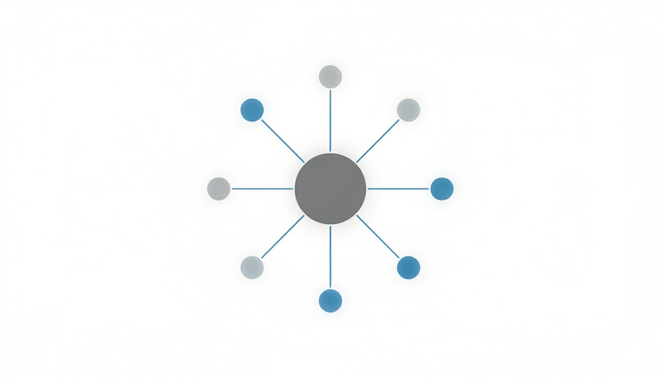
This architectural strategy starts with a planning call. The model first creates a roadmap or a list of tasks. After that, the system triggers parallel per item expansions. Each task or item gets its own small call to the large language model. This method changes how we think about scale and reliability.
There are several reasons why this works so well for modern software. As a result, performance improves across the whole system. The math almost always favors the split. Consider these specific benefits for your workflows:
- Faster Time to First Byte. Users see results much sooner because the initial plan arrives quickly.
- Real Parallelism. You can process many items at once instead of waiting for one long stream.
- Better Bug Isolation. If one part fails, you only need to retry that specific segment.
Professional developers often see why 76% of firms fail with Agentic AI due to poor structure. By using tools like vLLM, you keep the output predictable and fast. This approach is essential for any enterprise AI strategy and ROI goals. Efficiency becomes a standard when you stop relying on monolithic prompts. Consequently, the whole system becomes more resilient and easier to maintain. Furthermore, you can monitor each call independently to ensure quality. Because of these advantages, the split call pattern is now a best practice.
Multimodal Inputs and Self Validation
The AI Study Buddy pipeline uses the NVIDIA Nemotron 3 Nano Omni model for high quality data processing. This multimodal model natively reads various formats like video and audio or PDFs. Because it handles these diverse inputs at the boundary, the system can extract complex information easily. Additionally, many teams use AI driven professional automation to improve productivity. Consequently, you can build tools that understand a lecture video as easily as a text document.
The pipeline produces three specific outputs from a single corpus of data. First, it generates organized notes that summarize the key concepts. Second, the system creates a detailed walk through tutorial for the student. Third, it builds a calibrated practice test to verify learning progress. These outputs help students master new subjects with structured guidance while providing a comprehensive learning experience.
Reliability is a core requirement for any educational tool. Because of this, the pipeline includes a self evaluation pass for every generated question. The system uses a confidence floor of 0.7 to filter out unreliable content. If the model itself can’t decide between two answers, neither can the student. Consequently, this step ensures that practice tests remain accurate while providing only high quality materials.
Despite these advanced features, the orchestration logic remains quite lightweight. You can implement the entire workflow in approximately 150 lines of Python code. This simplicity makes the system easy to maintain and scale. Furthermore, you can integrate agents using a Notion developer platform guide within an enterprise AI strategy and ROI plan. Using NVIDIA models ensures you have the performance needed for these tasks.
AI Application Engineering Architectural Comparison
AI Application Engineering requires choosing the right architecture for your needs. Developers often start with a monolithic approach because it seems simpler at first. However, this method usually leads to significant performance issues in production. Choosing the wrong pattern can lead to wasted resources and poor scalability. A monolithic system handles every task within a single large prompt. As a result, users must wait for the entire response to finish. This creates a high time to first byte which degrades the user experience.
In contrast, the split call workflow provides a more modular solution. This strategy divides the work into smaller and more manageable tasks. Consequently, the system can process these items in parallel to save time. You gain much better control over the final output quality this way. Furthermore, debugging becomes easier when you can isolate specific parts of the logic. Because of these benefits, many professional teams prefer this modern architectural pattern. Organizations like NVIDIA provide the infrastructure for these advanced models. You can also use frameworks such as vLLM to optimize your inference speeds.
| Metric | Monolithic Approach | Split Call Workflow |
|---|---|---|
| Latency Time to First Byte | High Latency | Low Latency |
| Scalability | Limited Scaling | High Scaling |
| Debugging Difficulty | Difficult To Isolate | Simple To Isolate |
| Parallel Processing Capability | None | Full Support |
| Output Quality Control | Broad Control | Granular Control |
CONCLUSION
Building self validated study tools and efficient workflows is the next frontier. We must look past simple chatbots to create true value. These full stack systems act as brand trained AI workers. They provide consistent quality and high performance at scale. As a result, organizations can achieve much better results.
Transitioning to these advanced architectures requires expertise and vision. Many companies struggle to implement these complex patterns effectively. Therefore, specialized partners are essential for success. EMP0 (Employee Number Zero, LLC) is a leading provider in this space. They are based in the United States.
Specifically, they deliver powerful AI and automation solutions for many clients. Their services include a custom Content Engine and Sales Automation tools. Additionally, they provide accurate Revenue Predictions for growing companies. EMP0 helps clients multiply their revenue through secure growth systems. Furthermore, they focus on building robust infrastructures that handle enterprise needs.
Because they prioritize security and efficiency, their systems are highly reliable. You can explore their work at their main website. To stay updated, you can visit their social profiles. Following them on social media is another great way to learn. For example, check out their updates on Twitter. You can also find deep dives on Medium.
These tools allow businesses to automate complex tasks without losing quality. By moving beyond basic prompts, you unlock the true power of AI. Consequently, your brand becomes more competitive and agile. Finally, focus on building systems that validate themselves to ensure long term growth.
Frequently Asked Questions (FAQs)
What is AI Application Engineering?
AI Application Engineering is the specialized practice of building complex and reliable software systems around large language models. It moves beyond basic prompt engineering by focusing on orchestration and system design. Specifically, it involves creating pipelines that can process data autonomously while maintaining high quality standards.
Why is NVIDIA Nemotron 3 Nano Omni significant for study tools?
The NVIDIA Nemotron 3 Nano Omni model is significant because it natively supports multimodal inputs like video and audio. This capability allows study tools to process lecture recordings and visual slides directly at the input boundary. As a result, the system can extract much more context than text only models. Because it is highly efficient, it enables fast and accurate generation of notes and tutorials.
What are the benefits of a split call pattern?
The split call pattern offers three major advantages for modern AI workflows. First, it significantly improves the time to first byte for better user experiences. Second, it allows for real parallelism as multiple items generate at once. Finally, it simplifies the debugging process by isolating errors to specific parts of the pipeline. Consequently, developers can troubleshoot and scale their applications with much greater precision.
How does self validation improve practice tests?
Self validation improves practice tests by filtering out questions where the model lacks confidence. By using a confidence floor of zero point seven, the system removes ambiguous or incorrect items automatically. This ensures that every question remains clear and pedagogically sound for the student. Therefore, the learning materials become more reliable and trustworthy.
Why is Time to First Byte (TTFB) critical in LLM apps?
Time to First Byte is critical because it determines how quickly a user receives the first part of a response. In professional settings, long wait times lead to poor engagement and decreased productivity. By reducing TTFB, developers create a sense of immediate responsiveness even for long generation tasks. Because users see progress early, the overall perceived performance of the application increases dramatically.