

Indeed, Model Context Protocol (MCP) tools are rapidly transforming how organizations automate video workflows. They connect Agentic AI directly to editing, distribution, and ad-tech platforms. Consequently, scaling content efficiently has become a primary focus for marketing and production teams in 2026. Specifically, the top five new mcp tools leading this charge include Comcast’s VideoAI and Sabio’s CTV agent. Additionally, they include The Trade Desk’s Kokai Zuma, Tealium’s Configuration MCP, and Klaviyo’s integrations.
Key takeaways on mcp tools
- Agentic AI and MCP work together. Therefore, they easily streamline complex video processing tasks.
- Newly released tools focus heavily on automating vertical formatting. Additionally, they generate voice-matched audio translations.
- Adopting these automated technologies provides a significant competitive advantage. However, you must act quickly.
- Integrating secure enterprise data directly into video workflows boosts return on investment (ROI).
Modern video production often presents a challenging bottleneck for growing organizations. For example, scaling a single piece of hero content across multiple platforms drains valuable time. Consequently, companies that rely solely on manual processes risk falling behind. Fortunately, Model Context Protocol offers a practical solution to this challenge. These new mcp tools connect your proprietary enterprise data directly to intelligent agents. As a result, you get seamless, automated content pipelines.
How does Model Context Protocol work with mcp tools?
At its core, MCP acts as a secure, universal translator. Specifically, it connects your local environment and advanced artificial intelligence models. Historically, AI lacked the ability to safely access local enterprise systems. Therefore, custom API development was always required. MCP bridges that critical gap by providing a standardized protocol. As a result, Agentic AI tools can execute complex, multi-step actions using your actual business data.
When applied to video production, this means an AI agent can securely pull raw footage. Subsequently, it applies targeted edits based on brand guidelines. Finally, it distributes the assets to specific channels. Therefore, this shifts the paradigm to sophisticated, autonomous decision-making.
“The introduction of Model Context Protocol has fundamentally shifted how we view creative workflows. It is no longer about AI generating content from scratch, but rather AI intelligently orchestrating our existing assets securely.”
To understand the technical implementation, consider a basic configuration. For instance, an MCP server exposes local video assets to an AI agent. The setup might look something like this:
{
  "mcp_server": {
    "name": "VideoAssetManager",
    "version": "1.2.0",
    "capabilities": [
      "read_video_metadata",
      "trigger_transcode",
      "export_to_ad_network"
    ],
    "secure_endpoints": {
      "storage": "s3://enterprise-video-vault/",
      "distribution": "api.adnetwork.com/v2/upload"
    }
  }
}
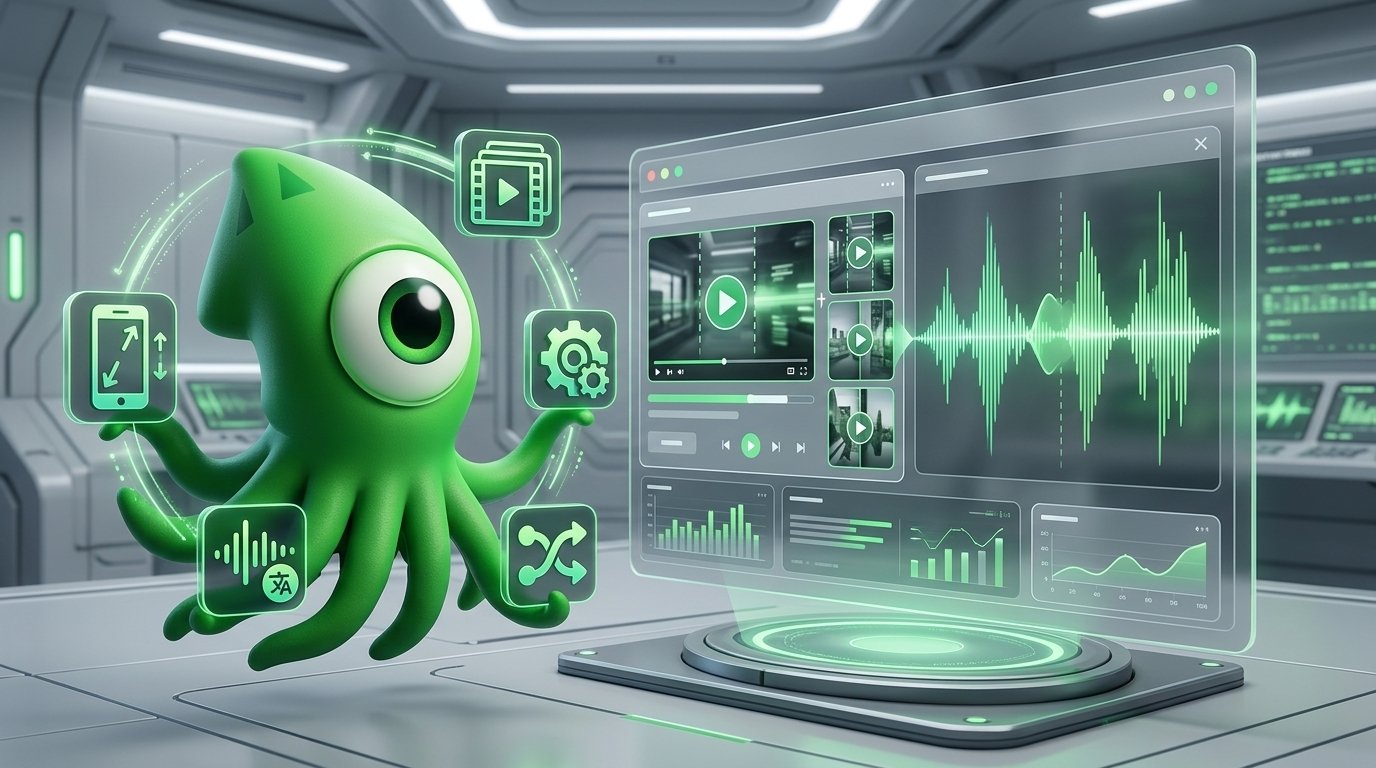
Failing to recognize this technological shift could leave your organization at a severe disadvantage. Indeed, industry leaders are already scaling their content output exponentially. Therefore, integrating MCP into your technology stack is becoming a baseline requirement. Additionally, developing a robust AI agent infrastructure is essential to maintaining efficiency. You can also explore our mcp tools resources to learn more about system setup.
What are the top 5 mcp tools for video?
The software launches of September 2026 have introduced unprecedented capabilities. Therefore, let us examine the breakthrough tools that are redefining the industry standard.
1. Comcast Technology Solutions: VideoAI
Comcast Technology Solutions recently launched a powerful suite of tools built on its VideoAI platform. According to a 2026 report by MarTech, this platform excels at automating vertical formatting. Additionally, it generates voice-matched audio translations. By handling the heavy lifting of content localization, VideoAI allows creative teams to focus on original storytelling. Specifically, the tool uses MCP to securely access a brand’s master video files.
2. Sabio and Gentoro: CTV Agent
In a major 2026 partnership, Sabio teamed up with Gentoro. Together, they deployed agentic artificial intelligence technologies across connected television (CTV) platforms. This collaboration automates the distribution of video assets directly into programmatic advertising networks. By using MCP, the Sabio CTV agent can read real-time campaign performance data. Consequently, it autonomously swaps out underperforming video creatives across streaming platforms.
3. The Trade Desk: Kokai Zuma
The Trade Desk released Kokai Zuma in September 2026. This release marks a significant leap in ad-tech automation. According to Agentic.ai, this platform integrates agentic AI capabilities to automate routine ad campaign workflows. Specifically, Kokai Zuma utilizes MCP to connect directly with a brand’s creative asset management system. When a new video ad is approved, the agent automatically retrieves the file.
4. Tealium: Configuration MCP
Tealium announced its Configuration MCP in September 2026. This tool brings a natural-language interface to Tealium Studio. Additionally, it is uniquely positioned to connect secure customer data platforms (CDPs) with video personalization. By leveraging MCP, Tealium allows AI agents to safely read anonymized customer behavior data. For instance, a retail brand can automatically generate a customized video. You can read more about Tealium Studio solving enterprise data chaos on our blog.
5. Klaviyo: Marketing Platform MCP Integrations
Klaviyo significantly expanded its ecosystem in 2026. Specifically, they opened their marketing platform to external AI agents. They provided access to 260 distinct mcp tools and 490 APIs. This massive integration network allows marketers to trigger highly personalized video emails. For example, if a customer abandons a cart, an AI agent can instantly compile a personalized video message.
Additionally, it is worth noting that Observe.AI launched Performance Agents in 2026. While primarily designed to automate contact center coaching workflows, these agents utilize advanced video analytics. Consequently, they train sales teams effectively.
The ROI of Video Workflow Automation
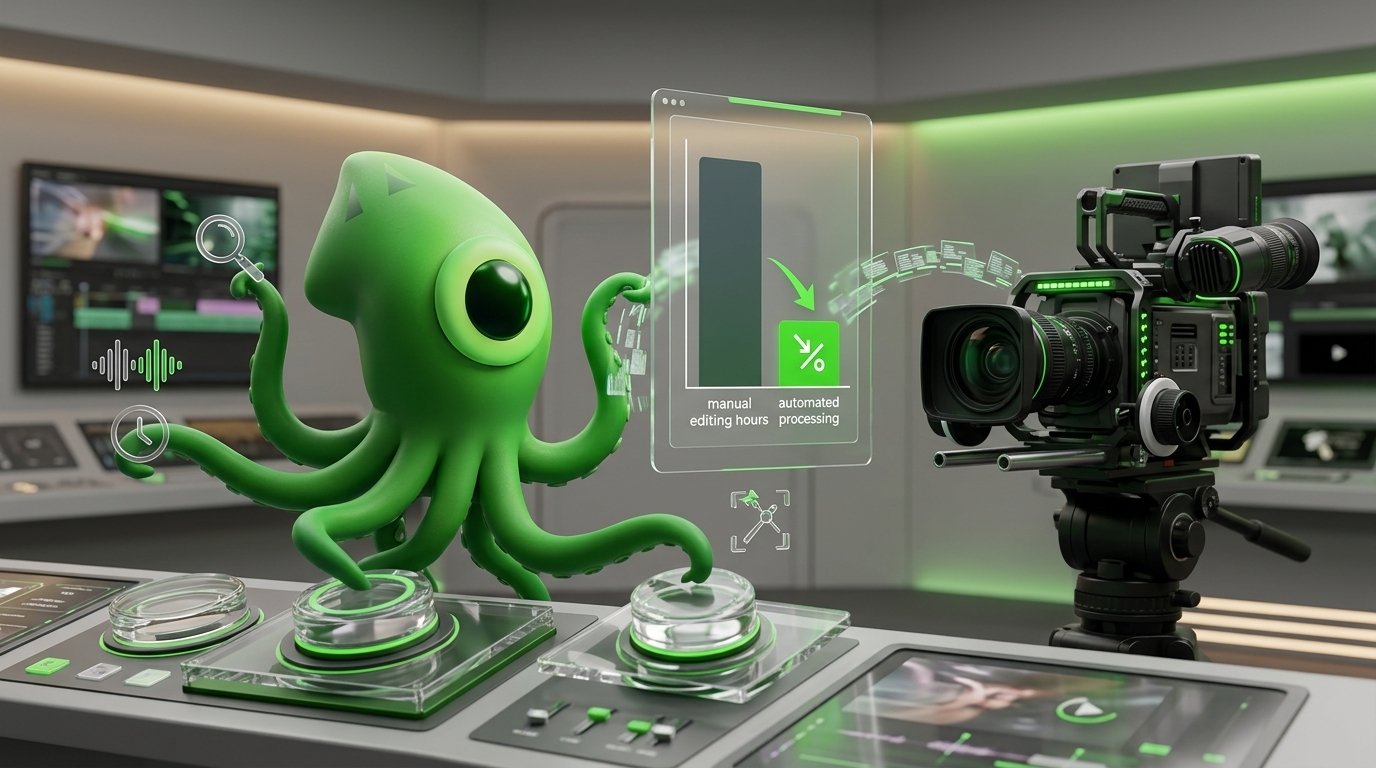
The data surrounding video workflow automation presents a compelling business case. Indeed, automation through Agentic AI has been shown to dramatically reduce production costs. According to a recent study by Agentic.ai, companies utilizing mcp tools have successfully cut formatting time by up to 75%. Therefore, creative teams can output four times the amount of content.
Integrating customer data directly into video ad-tech also yields substantial returns. For example, a 2026 MarTech analysis demonstrated that automated campaigns increase user engagement by an average of 40%. These metrics highlight the tangible financial benefits of upgrading your technology stack.
Consequently, organizations looking to scale efficiently must prioritize video workflow automation. Relying on outdated manual processes leads to operational inefficiencies. Fortunately, you can learn more about optimizing your internal systems in our comprehensive guide on AI workflow automation tips.
Comparing the 5 mcp tools
To help you navigate these new offerings, below is a breakdown of the top tools. This overview will assist you in identifying the right fit.
| Tool Name | Primary Function | Integration Point |
|---|---|---|
| Comcast VideoAI | Vertical formatting & audio translation | Content Production |
| Sabio & Gentoro | CTV programmatic advertising | Ad Distribution |
| Trade Desk Kokai Zuma | Ad campaign workflow automation | Ad-Tech Platforms |
| Tealium Configuration MCP | Customer data personalization | Enterprise Data |
| Klaviyo MCP | Automated marketing triggers | Email & SMS |
Visualizing the Automated Video Workflow with mcp tools
To truly grasp the power of these tools, imagine a highly streamlined visual flowchart. The process begins when a hero raw video file enters the secure enterprise system. Next, Comcast’s VideoAI detects the new file. It automatically formats the aspect ratio for YouTube, TikTok, and Instagram Reels. Meanwhile, it simultaneously translates the audio into Spanish and French.
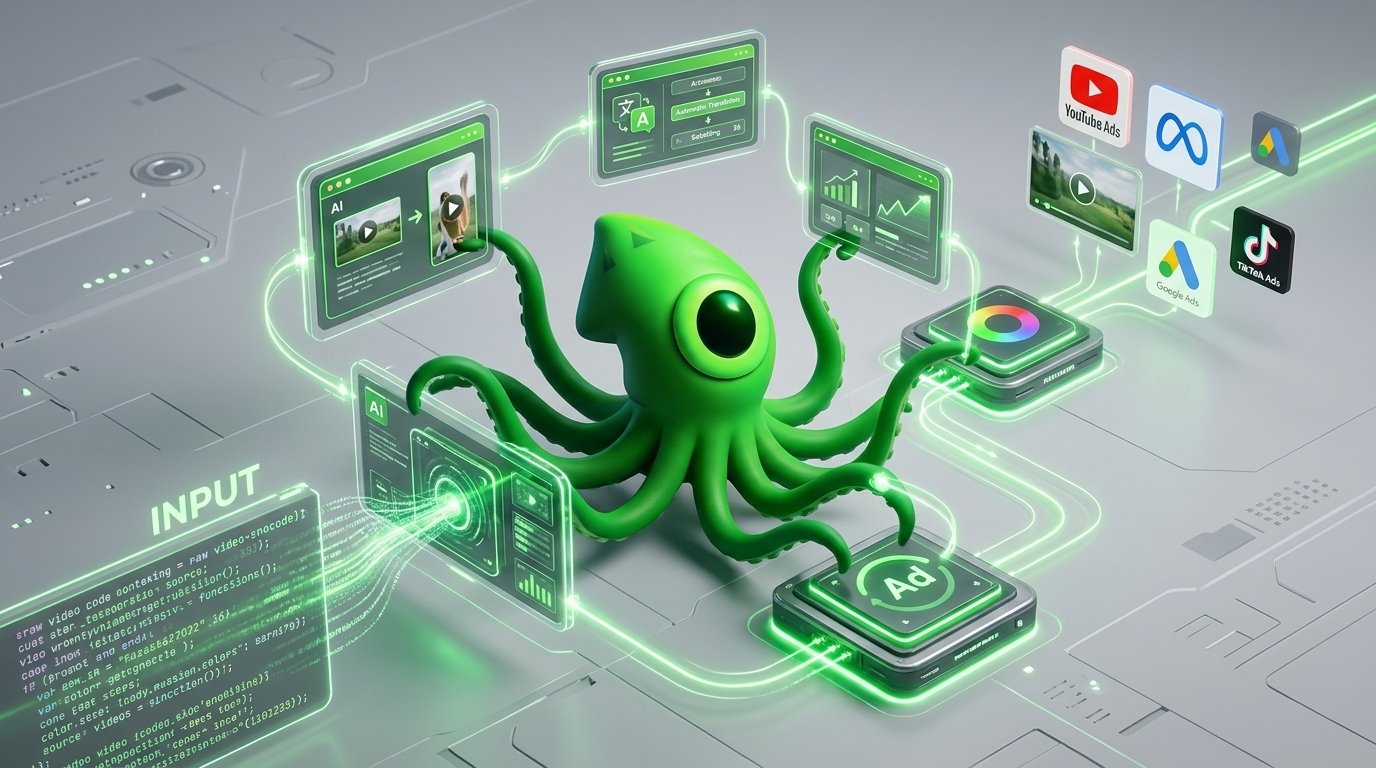
Next, Tealium’s Configuration MCP injects dynamic, personalized customer data into the video metadata. Sabio and The Trade Desk’s Kokai Zuma then take over. Consequently, they autonomously distribute the localized assets across targeted networks. Finally, Klaviyo detects user interactions with the ads. It then triggers a follow-up email campaign containing a personalized video message.
Indeed, this entire multi-platform campaign process executes with zero manual file handling. This architecture represents the modern standard of content creation.
Conclusion
Model Context Protocol is fundamentally revolutionizing the landscape of video production. Therefore, the era of manual video formatting and slow ad trafficking is rapidly coming to an end. Today, Agentic AI handles everything from vertical aspect ratio adjustments to complex programmatic advertising distribution.
Moreover, tools from industry leaders like Comcast, Tealium, The Trade Desk, and Klaviyo provide organizations with unprecedented operational leverage. Companies that embrace these innovations will find themselves capable of scaling globally. Conversely, those who delay adoption will struggle to compete with the efficiency of autonomous systems.
Therefore, now is the time to audit your current video workflows and identify bottlenecks. By implementing these advanced mcp tools, you can future-proof your content operations. For more insights on developing these systems, explore our detailed guide on how to build AI agents today.
Sources
- MarTech (https://martech.org/the-latest-ai-powered-martech-news-and-releases/)
- Agentic.ai (https://agentic.ai/news)
FAQ
What is a Model Context Protocol (MCP) tool?
An MCP tool acts as a secure, standardized bridge between your local enterprise data and Agentic AI models. It allows AI agents to safely access specific local files, proprietary databases, and internal APIs to perform automated tasks without compromising your organization’s security or exposing sensitive data to public models.
How do MCP tools improve my video workflow?
MCP tools connect AI directly to your existing editing software, asset management systems, and ad-tech platforms. They automate highly repetitive and time-consuming tasks like vertical formatting for social media, voice-matched audio translation for global markets, and programmatic advertising distribution. This saves creative teams countless hours of manual labor and accelerates time-to-market.
Can MCP tools safely handle my customer data?
Yes. Tools like Tealium’s Configuration MCP are designed specifically with enterprise data security in mind. They provide secure, strictly controlled access points for AI models, allowing them to personalize video content based on user behavior without ever exposing or compromising sensitive personally identifiable information (PII).
Are these tools difficult to integrate into existing systems?
Integration difficulty varies depending on your current technology stack, but the barrier to entry is lowering rapidly. Many modern MCP tools now feature intuitive natural-language interfaces that simplify setup. For example, Klaviyo offers access to 260 pre-built MCP tools and 490 APIs, making connections straightforward and highly accessible for modern development and marketing teams.