How to Build AI Agents: Workflow Automation Guide
Picture a mid-sized logistics company struggling with holiday orders. Customer service representatives are drowning in emails. Meanwhile, warehouse managers manually update spreadsheets. Consequently, the sales team loses leads due to slow response times. This scenario is a harsh reality in July 2026. Therefore, you must integrate dynamic AI into your daily operations. In the past, companies relied heavily on static scripts. However, those rigid tools fail completely in complex, modern environments.
Modern businesses now require highly intelligent systems. Indeed, you must learn to build ai agents for workflow automation. This shift moves your business toward autonomous problem-solving. Additionally, these advanced systems make real-time decisions. They do not just follow basic, hard-coded rules. Therefore, business leaders need to understand this technology today. Replacing legacy systems is no longer just a futuristic concept. Instead, it is the most practical path to sustainable growth.
Understanding Agentic Architecture to Build AI Agents
What exactly makes an AI agent different from traditional automation? To understand this, we must look at older software. Traditional automation blindly executes linear steps. For example, a system might send a pre-written reply to every email. It does not evaluate if the customer is angry or confused. However, an AI agent evaluates context. It adapts its behavior based on the situation. Consequently, it reads the email, checks inventory, and drafts a personalized response.
This level of intelligence requires what industry experts call agentic architecture. This framework requires deep operational design. Additionally, it blends technical depth with strategic software development. Specialized AI automation agencies focus heavily on these architectures. According to a 2026 report by The JADA Squad, these systems require deep expertise. Therefore, you must acquire specialized knowledge to build these systems successfully.
Consider HatchWorks AI, founded in 2016 in Atlanta, GA. They employ approximately 120 people to tackle complex builds. Moreover, their success highlights a broader industry trend. Understanding this architecture is critical for modern business survival. Therefore, organizations must move past basic if-then logic. They must embrace systems that can learn and adapt.
The Shift from Static to Dynamic
In the early days, engineers hard-coded every possible outcome. Consequently, systems followed strict, unchangeable paths. Today, however, AI agents adapt dynamically to unexpected data inputs. For example, an agent might encounter an unknown file format. Instead of crashing, it uses a large language model to parse the information.
This shift changes enterprise software entirely. Specifically, it moves the focus to designing boundaries for an intelligent agent. Mastering these 5 Secrets to Agentic AI Workflow Automation is absolutely essential. Otherwise, companies will find themselves drowning in legacy tech debt. Consequently, they will fail to pivot when market conditions change.

How to Build AI Agents for Workflow Integration
How do you actually build these dynamic systems? Many leaders assume this requires a massive team and budget. Fortunately, sophisticated workflows no longer require multi-year deployments. This is largely due to accessible APIs and platforms like Make, n8n, Zapier, and LangChain. Indeed, these tools make it easy to build ai agents quickly.
You can deploy enterprise-grade solutions rapidly by leveraging these tools. Additionally, modern agencies specialize in connecting existing technology stacks. These include CRM platforms, ERP systems, and databases. Consequently, you can automate data and decision flows. The ultimate goal is to remove human bottlenecks entirely.
Therefore, here are the vital steps to successfully integrate your workflow:
- Firstly, map your entire data flow and identify bottlenecks.
- Secondly, select the appropriate integration platform for your security requirements.
- Finally, connect your existing technology stacks using robust APIs.
Choosing the Right Tools
The market is flooded with automation tools. However, they are not all created equal. Platforms like Make and n8n offer incredible processing power. If you are comparing options, our GoHighLevel vs n8n: Ultimate Workflow Automation guide offers deep insights. This guide will help you choose the best platform.
Many companies specialize in process automation tools using pre-built modules. Consequently, this eliminates the need for complex software development. This modular approach helps small teams build powerful systems quickly. Additionally, proper API management remains vital regardless of your tool choice. You can explore The Ultimate Guide to API and System Integration for best practices. Ultimately, secure integration is the key to massive scalability.
The Impact when you Build AI Agents
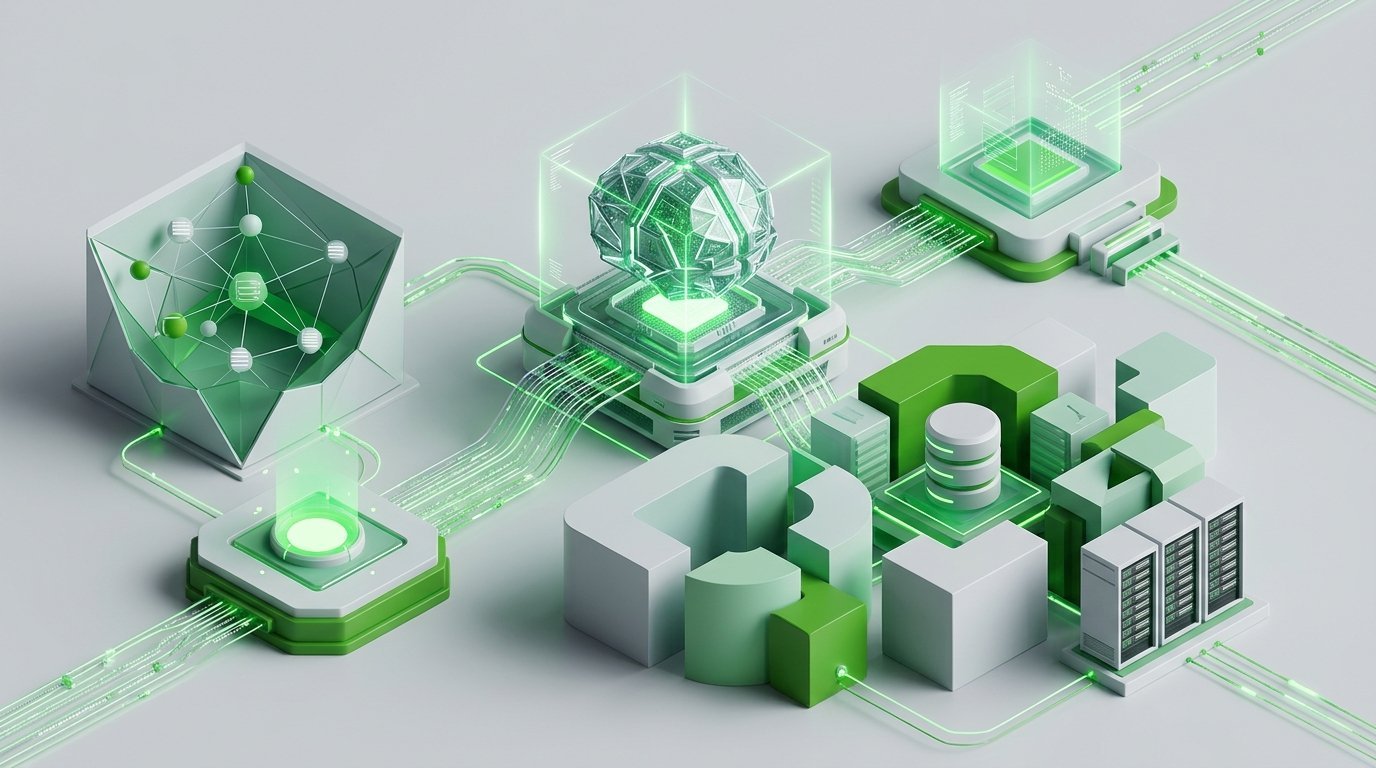
The operational numbers from 2026 paint a very clear picture. Specifically, AI automation drastically reduces bloated operational costs. It handles the repetitive tasks that once required large manual teams. Additionally, it accelerates task execution by unprecedented margins. This speed allows companies to serve customers much faster.
However, deploying these powerful systems requires careful oversight. You cannot simply turn an agent loose without establishing guardrails. To help organizations, some agencies offer consulting and training programs. Consequently, companies can safely scale their AI initiatives. Establishing clear rules prevents compliance failures and data breaches.
Investing in proper training for your workforce is also important. Indeed, your team must learn to collaborate with these agents. Without a strong culture of AI literacy, you risk operational chaos. Therefore, proper training ensures a strong return on your investment.
Tool Comparison
Choosing the correct framework is a foundational step. Therefore, we have compared the top automation tools below. This comparison will help you make highly informed decisions. Each tool serves a distinct purpose based on your technical needs.
| Tool Name | Primary Use Case | Learning Curve |
|---|---|---|
| Zapier | Basic process automation and simple point-to-point connections. | Low |
| Make | Visual workflow automation with advanced branching and logic. | Medium |
| n8n | Complex, self-hosted integration for teams needing strict data privacy. | High |
| LangChain | Custom AI agent development and deep LLM orchestration. | Very High |
AI Agent Workflow Diagram
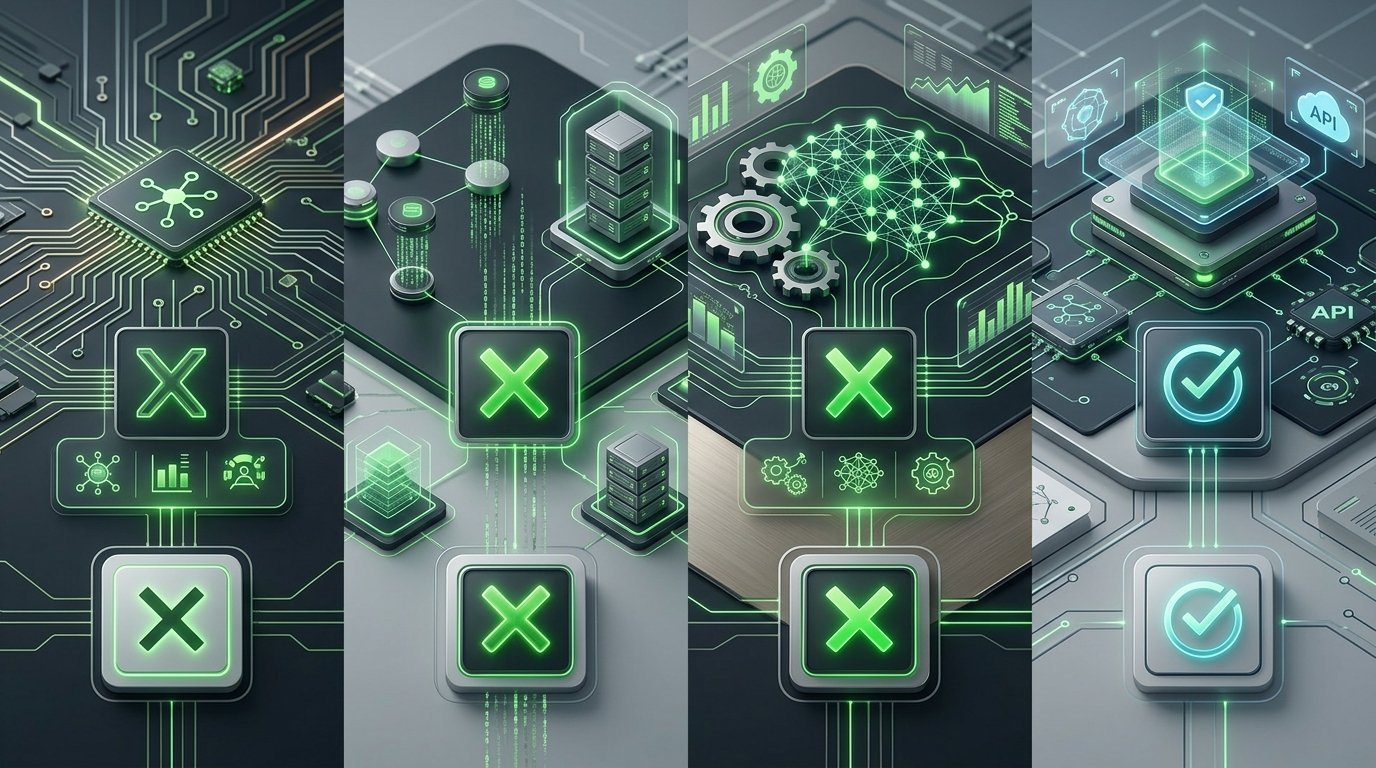
Visualizing the process step-by-step helps clarify the underlying architecture. For example, imagine a new lead submitting a contact form. Firstly, a specific web-hook trigger initiates the workflow. Secondly, the AI agent receives the raw data.
Subsequently, the agent queries a large language model for contextual understanding. It analyzes the lead’s industry and sentiment. Next, the agent makes a decision based on strict rules. Finally, the agent executes the required action via APIs. This includes drafting emails and updating the CRM in real-time. Consequently, human intervention is completely removed from these routine tasks.
Conclusion
Consequently, learning to build ai agents is no longer an experimental luxury. Instead, it is a mandatory requirement for modern business survival. Companies must adapt to this landscape to maintain competitiveness. Additionally, leveraging tools like Make and n8n accelerates your market growth.
Therefore, start mapping your workflow integration today. Look for bottlenecks in your organization. Envision how an intelligent agent could streamline those processes. This will empower your employees to focus on creative problem-solving. Finally, take decisive action to implement these systems today.
Frequently Asked Questions
What is agentic architecture?
Agentic architecture is a dynamic framework. Specifically, AI systems make independent decisions based on context. Consequently, this allows software to act autonomously to achieve goals.
Why should I use n8n or Make over Zapier?
Indeed, platforms like n8n and Make offer deep technical flexibility. They handle complex workflows better than basic tools. Additionally, n8n offers self-hosting options for strict data compliance.
Do I need to hire an enterprise software team?
No. Indeed, sophisticated workflows no longer require multi-year deployments. This is due to accessible APIs and pre-built modules. Consequently, these tools empower smaller teams.
What is the role of an AI automation agency?
Specifically, these agencies connect your existing technology stacks. This includes CRMs, ERPs, and databases. Therefore, they automate complex data flows while ensuring proper governance.