
The Future of Service: Meet the Sprout Humanoid Robot for Hospitality
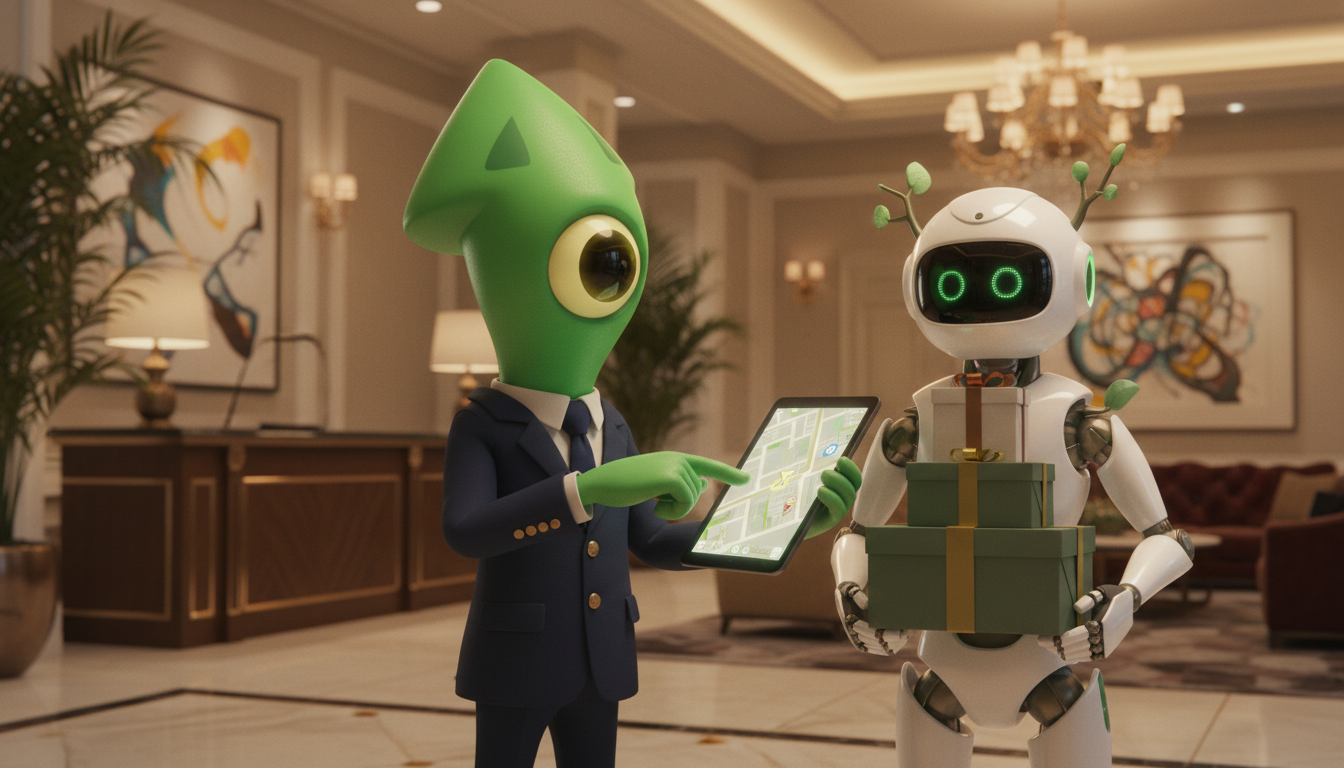
Imagine a friendly face greeting you as you enter a luxury hotel. The Sprout humanoid robot for hospitality makes this vision a reality. Fauna developed this machine to mark a big shift in service technology. It stands roughly the size of a nine year old child. Because of its compact size, it moves easily through crowded lobbies or dining rooms. Innovative potential exists here to change how guests receive assistance in the modern world.
Robert Cochran leads the team at Fauna as the chief executive officer. His professional background includes experience at Meta while other team members joined from Google. Together, they built a robot that can walk autonomously and communicate using large language models. Hotels are currently exploring how to use Sprout as a personal butler for room deliveries. Additionally, the robot costs fifty thousand dollars according to details from WIRED. Therefore, businesses can start using its capabilities immediately to enhance guest experiences.
The market potential for such technology is already growing quite rapidly. Early customers like Disney and Boston Dynamics show that industry leaders believe in this vision. Furthermore, researchers at New York University (NYU) study Sprout to understand human to robot interaction. The robot uses mechanical eyebrows to express feelings and build trust with guests. This specific design was featured in MIT Technology Review recently. Fauna also includes proprietary technology to help the robot stay upright if it stumbles. This blend of safety and personality makes Sprout a unique contender in the automation space.
Key Features of the Sprout Humanoid Robot for Hospitality
The design of this machine focuses on safety and engagement within public spaces. Robert Cochran asked a vital question during the development phase. He said, “What if we could build something lightweight, engaging, and safe to be around, and capable enough to do some exciting things?” Consequently, the team created a robot that stands roughly the size of a nine year old child. This height allows it to interact with adults and children without appearing intimidating. Because of its friendly stature, it fits perfectly into the hospitality sector.
Sprout uses advanced technology to communicate and express personality. It features mechanical eyebrows that move to show various emotions. This makes the machine seem more approachable during guest interactions in hotels. Furthermore, the robot accesses complex language models to understand and answer questions. It can greet guests or provide directions within a resort. Since it uses these tools, the robot provides a more natural experience for every user.
The technical capabilities include autonomous navigation and environment mapping. Robert Cochran describes the ease of setting up the system for new tasks. He mentions that “You can kind of get a ‘Hello World’ example of a robot where you can talk to and autonomously map and navigate its environment effectively.” From there, he believes the opportunities are endless for business owners. Additionally, operators can control the robot remotely using a dedicated app. This teleoperation feature works immediately out of the box for all customers.
- Compact size similar to a nine year old child for better mobility in lobbies.
- Mechanical eyebrows to display emotions and build rapport with people.
- Autonomous walking through proprietary software libraries for environment scanning.
- Integrated language models for clear and helpful verbal communication.
- Safety features that help the machine regain its balance if it stumbles.
These capabilities allow businesses to utilize Sprout as a versatile digital assistant. For instance, the robot can deliver small items to guest rooms or provide lobby support. Early adopters like Disney already see the value in such automated solutions. Likewise, Boston Dynamics represents one of the first major customers for this technology. Because the robot offers real time programming, staff can adjust its tasks quickly. As a result, the Sprout humanoid robot for hospitality remains a flexible tool for modern service teams. This innovation has already gained attention from major publications like WIRED for its potential.
Comparing Humanoid Robots for Service and Industry
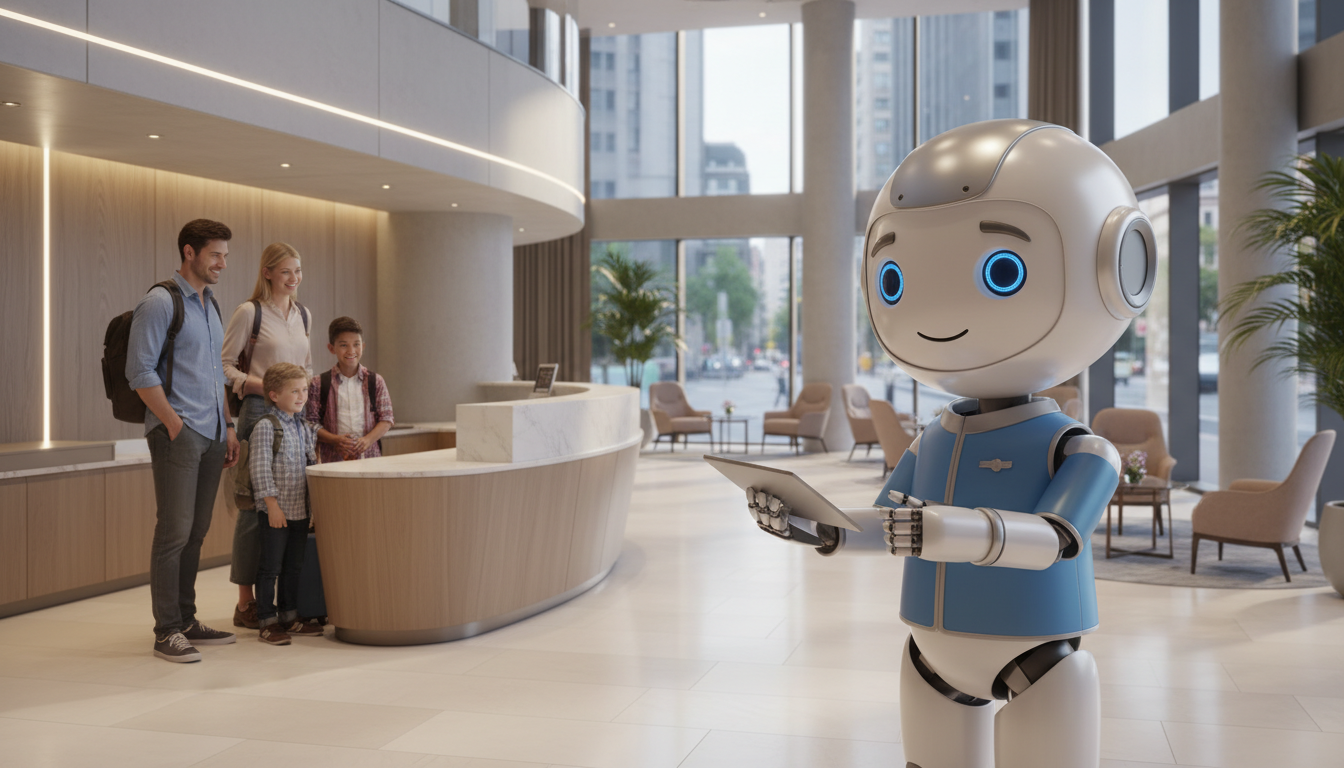
The market for humanoid automation is expanding quickly with several key players. While the Sprout humanoid robot for hospitality focuses on guest services, other models target industrial or research sectors. Below is a comparison of how these machines stack up in terms of cost, size, and function.
| Robot Model | Price (Estimated) | Physical Size | Key Capabilities | Primary Usage Cases |
|---|---|---|---|---|
| Sprout | $50,000 | 9 year old child size | Language model integration, autonomous mapping, teleoperation | Hospitality, room service, guest interaction |
| Tesla Optimus | $20,000 to $30,000 | Adult human size | Advanced AI navigation, human like dexterity | Manufacturing, general purpose assistance |
| Unitree Models | $16,000 to $50,000 | Variable compact sizes | Dynamic walking, sensor integration, research tools | Academic research, development, basic utility |
| Disney Robots | Proprietary | Varies by character | Expressive movement, autonomous navigation | Theme parks, entertainment, guest engagement |
| Boston Dynamics | Research pricing | Adult human size | High mobility, dynamic balance, extreme agility | Industrial inspection, research, heavy lifting |
This comparison highlights why Sprout is uniquely positioned for the service industry. Unlike larger industrial models from Boston Dynamics Boston Dynamics or Tesla, Sprout is designed specifically for public interaction. Its size and friendly demeanor make it less intimidating for guests in a hotel or restaurant setting. Companies like Unitree Unitree offer competitive pricing but often focus on different niches. Meanwhile, Disney Disney continues to lead in expressive robotic entertainment. Each of these machines brings unique value to the growing world of automation. Guests in hospitality environments will soon see more of these friendly robots helping with daily tasks.
The Broader Impact of Automation on Everyday Life
The rise of the Sprout humanoid robot for hospitality suggests a major shift in our daily routines. Consequently, everyday life will soon involve more interactions with automated assistants in public spaces. These machines can handle repetitive tasks such as delivering luggage or guiding visitors. As a result, human staff members can focus on more complex guest needs. Furthermore, this balance helps hotels improve efficiency while maintaining a personal touch.
Academic institutions are already exploring the technical side of these interactions. For instance, researchers at New York University use Sprout to study robotic manipulation. They investigate how machines can grab and move objects safely near humans. Because these studies continue, we can expect robots to become more capable over time. Additionally, improved dexterity allows robots to handle delicate items without causing damage.
Connectivity plays a vital role in the success of mobile robots. Specifically, stratospheric internet initiatives could provide the high speed data needed for fleet management. If robots can access stable connections everywhere, they can update their software in real time. This ensures that every Sprout unit stays synchronized with the latest navigation data. Consequently, service interruptions become less likely even in large resorts.
Developers focus heavily on improving human to robot interaction for better user experiences. For example, machines like Sprout use physical cues like moving eyebrows to communicate intent. This design choice helps people feel more comfortable when sharing space with a robot. Therefore, guests are more likely to accept automation in their daily routines. Since trust building remains essential, these features support the long term adoption of service robots.
However, some hurdles still remain for businesses interested in this technology. The initial cost of fifty thousand dollars might be high for smaller establishments. Adoption also depends on how easily staff can learn to use the coding interface. While the potential is huge, companies must carefully plan their integration strategies. Thus, we are seeing the beginning of a new era where technology and service blend together perfectly.
Conclusion: A New Era for Hospitality Automation
The Sprout humanoid robot for hospitality marks an exciting milestone because it changes how we see service technology. It effectively combines autonomous navigation with charming expressive features. Since the machine is the size of a child, it creates a welcoming presence in hotels. This innovation allows staff to delegate simple tasks and focus on complex guest care. Consequently, the hospitality sector stands ready for a significant transformation.
Modern businesses require smart strategies because rapid changes are occurring now. EMP0 serves as a leading provider of AI and automation solutions for various industries. They offer sophisticated tools that support growth while streamlining daily operations. You can find valuable resources on their blog here to help your business evolve. Therefore, partnering with experts who understand AI expertise ensures a smooth transition into the age of robotics.
Staying informed is crucial for anyone following the evolution of service automation. The blog hosted by EMP0 provides deep insights into these technological shifts. Guests will appreciate the efficiency and care that automated systems provide. The future remains bright as machines like Sprout redefine what it means to serve others. This progress will undoubtedly lead to higher standards and better experiences for everyone.
Common Questions About the Sprout Humanoid Robot for Hospitality
What is the Sprout humanoid robot for hospitality?
This machine serves as a friendly digital assistant for guest services. It assists staff members in luxury hotels or dining venues. The unit stands at the height of a nine year old child. Since it remains compact, it moves easily through busy hallways. Furthermore, this innovation bridges the gap between modern technology and personal guest care.
How much does the Sprout robot cost for hotel owners?
A single unit costs fifty thousand dollars right now. This price includes the advanced computing hardware and sensors within the device. Since it offers immediate teleoperation, hotels see value quickly. Therefore, many consider it a smart way to modernize guest experiences.
What specific features improve human to robot interaction?
Every unit uses mechanical eyebrows to show feelings like joy or surprise. Consequently, guests feel more comfortable during their interactions. It also utilizes large language models for natural conversations. These social cues help the automation fit into a hospitality setting naturally.
Can the robot navigate through a busy lobby autonomously?
Yes, the system uses environment mapping software to find its own way. It scans the room to avoid people effectively. Additionally, researchers at New York University (NYU) study these movement patterns. As a result, navigation logic continues to improve over time.
How does the system ensure the robot stays upright?
Safety is a top priority for this design. The robot features proprietary technology that helps it regain balance if it stumbles. Because the unit is lightweight, it poses less risk to people. Thus, businesses like Disney (Disney) use such tools with confidence.
What is the typical ROI for a Sprout robot?
Most businesses expect a return on investment within eighteen to twenty four months. This timeline depends on how often the robot handles deliveries. By automating repetitive tasks, human staff focus on high value needs. Consequently, the machine pays for itself through increased efficiency.
What deployment challenges should hotels expect and how are they mitigated?
Setup involves mapping the hotel layout and training staff. Some guests might feel hesitant at first. To mitigate this, the robot uses expressive features to build trust. Therefore, careful planning leads to a smooth integration into daily operations.