
The New Frontier: AI Industry Disruption and Public Markets
The global financial landscape is undergoing a radical change. Specifically, SpaceX recently launched the largest initial public offering in history. This event solidified Elon Musk as the first trillionaire in the world. Such a milestone signals a massive shift in how we view the global economy. Consequently, investors are now watching the AI Industry Disruption and Public Markets with intense focus. The era of traditional tech giants is fading fast.
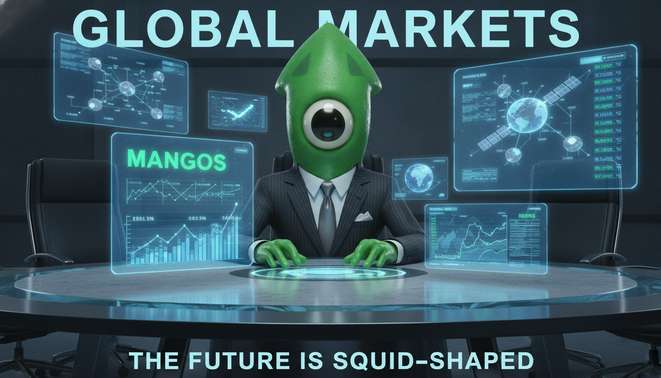
We are witnessing the birth of a new power structure. For years, the FAANG group dominated the stock market. However, a fresh cohort is now taking the lead. This group uses the name MANGOS. It consists of Meta, Anthropic, NVIDIA, Google, OpenAI, and SpaceX. Furthermore, these companies represent the pinnacle of modern innovation. They focus on intelligence and infrastructure rather than just social media or streaming services.
The rise of MANGOS highlights a deeper trend in the startup ecosystem. Companies like OpenAI and Anthropic have already filed for public listings. Therefore, the market is preparing for a wave of high value entries. This movement suggests that AI is not just a tool. Instead, it is the fundamental engine of the next economic cycle. As a result, we must look closely at how these startups redefine value and strategy in this new era.
MANGOS and the Strategic Realities of AI Industry Disruption and Public Markets
The old guard of technology is currently stepping aside. Industry leaders now observe a clear transformation. Specifically, one expert recently noted that “It’s not FAANG anymore, it’s MANGOS.” This statement reflects the dominance of firms like Meta and NVIDIA. Additionally, it includes rising giants such as Anthropic and OpenAI. These companies drive the current AI Industry Disruption and Public Markets. Consequently, they are moving faster than anyone expected.
Anthropic and OpenAI have both filed for initial public offerings confidentially. This move signals a high level of market readiness. Furthermore, it introduces the concept of an IPO summer. Investors are eager to fund these massive ventures. However, companies must also consider the hidden risks of AI Driven Business Transformation. Public scrutiny will soon replace private venture capital oversight. Therefore, this transition forces deeptech labs to prove their commercial value quickly.
SpaceX is also playing a massive role in this shift. Reports from Forbes suggest that “We have SpaceX… stress testing the limits of what a public company can be.” The company is no longer just about rockets. Instead, it leverages AI to optimize complex systems. This strategy highlights why SaaS disruption driven by AI agents is happening now. Moreover, investors want to see tangible results from these expensive technologies.
Successful founders often find value in the unknown. There is a specific gap between scientific possibility and market belief. In fact, this gap is where durable companies are built. Startups must learn how to Master Decision making under uncertainty. They must bridge the distance between lab research and public expectations. As a result, only the strongest firms will survive the coming wave of public listings.

Infrastructure as a Catalyst for AI Industry Disruption and Public Markets
The physical foundation of technology is currently changing. Major automakers like Ford and General Motors are leading this change. Specifically, they are repurposing unused battery capacity to support massive data centers. This pivot addresses the urgent need for reliable energy in the tech sector. Because AI requires significant power, these companies provide a vital solution. This strategy shows how traditional industries can adapt to modern demands.
Unconventional players are now solving systemic problems. For instance, the energy crisis in computing is a major hurdle. However, automotive giants possess the hardware needed to overcome it. As a result, they are becoming essential partners for AI developers. This shift creates new revenue streams for legacy brands. Reports from The Verge highlight how energy needs drive these unusual partnerships. It also speeds up the deployment of advanced computing systems globally.
Cross Industry AI Infrastructure Shifts
| Company | Traditional Sector | AI Pivot Activity |
|---|---|---|
| Ford and GM | Automotive | Energy for Data Centers |
| SpaceX | Aerospace | Orbital Data Centers |
| Quantum Space | Space Technology | SPAC for Space AI hardware |
SpaceX is moving beyond simple transport services. According to reports from TechCrunch, the company is exploring orbital data centers. This concept allows for data processing directly in space. Consequently, it reduces latency for global networks. Furthermore, Quantum Space is using a SPAC to fund space based hardware. These activities prove that the AI Industry Disruption and Public Markets extend far beyond software.
Investors must understand these infrastructure plays. The hardware that powers AI is just as valuable as the code. Therefore, companies providing the energy and physical space for servers will win. This trend reflects a broader move toward deeptech integration. As these firms enter public markets, their physical assets provide a safety net for investors. The fusion of heavy industry and high tech is officially here.
Predicting the Future: AI in Healthcare Coordination
Michael Dent founded NeoGenomics Laboratories in 2001. During that time, the National Institutes of Health NIH focused on sequencing the human genome. Dent realized that scientific data alone was not enough. He saw that patients needed better ways to manage their genetic information. Today, companies like NeoGenomics continue this mission. They use advanced testing to guide treatment decisions for many people.
Modern medicine is now moving away from reactive methods. Instead, it is embracing predictive care. This change relies heavily on AI driven coordination at a massive scale. Experts believe that the future of health depends on smarter systems. One important insight stands out in this field.
Specifically, “The core problem in healthcare isn’t a lack of medical knowledge. It’s a lack of coordination.” This quote highlights a major gap in the current system. Because of this gap, patients often face delays in their treatment. AI can fix these broken links by automating data sharing across networks.
Addressing these systemic inefficiencies requires new tools. For example, HealthLynked connects patients with their medical records digitally. This platform ensures that data flows smoothly between different doctors. Consequently, healthcare becomes more efficient for everyone involved. This coordination reduces the burden on both patients and providers.
Strategic growth in this sector often depends on trust. Founders must understand how Entrepreneurial Growth Strategies Win via Emotion. Healthcare is a deeply personal industry for every individual. Therefore, technology must serve the person first. As a result, AI becomes a partner in wellness rather than just a cold algorithm.
Moreover, the government plays a critical role in this shift. Authorities must balance innovation with safety and privacy. Understanding Why AI policy and economics matters for national security is essential. These policies will shape how healthcare data is used globally. Consequently, investors are looking for startups that align with these broad national interests. This alignment ensures long term stability in a volatile market.
Conclusion: Navigating the AI Economic Shift
The global landscape is currently moving through a massive change. SpaceX recently had a historic initial public offering. Also, the MANGOS group is now rising. Consequently, the old economic rules no longer apply. We see that AI is remaking the economy through the way people build it. This shift moves away from simple software. Specifically, it focuses on how systems work together. Companies now use smart tools to solve big problems in energy.
Because of this, businesses must change fast. Navigating this change requires the right tools and partners. Therefore, EMP0 (Employee Number Zero, LLC) offers the best solution for companies. We are a US based provider of AI and automation solutions. Our team helps you build a custom Content Engine and a Marketing Funnel. We also specialize in Sales Automation for modern growth.
EMP0 acts as a full stack, brand trained AI worker for your team. We ensure that your business stays ahead of the competition. For example, you can learn more by visiting our blog at articles.emp0.com. You can also follow us on Twitter or X at @Emp0_com. The future of commerce is here, and it is very smart.
Frequently Asked Questions (FAQs)
What does the MANGOS acronym stand for?
The MANGOS acronym stands for Meta, Anthropic, NVIDIA, Google, OpenAI, and SpaceX. It is the group of companies currently leading the tech industry. Consequently, it is replacing the older FAANG group. These firms focus on intelligence and physical infrastructure. Because they are so powerful, they shape the future of public markets.
How is SpaceX influencing the AI industry?
SpaceX influences the industry by building advanced hardware. Specifically, the company is testing the limits of what a public firm can achieve. It uses artificial intelligence to optimize its space missions. Furthermore, it is exploring the use of orbital data centers. This innovation provides the physical base for global networks. Therefore, SpaceX acts as a major catalyst for tech disruption.
Why are automotive companies like Ford entering the data center space?
Automotive companies like Ford have a surplus of battery capacity. Because data centers require massive amounts of energy, this is a perfect match. Consequently, these firms are pivoting their unused power resources to support computing. This move creates a new revenue stream for traditional manufacturers. As a result, they become essential players in the modern digital economy.
What is predictive care in the context of AI healthcare?
Predictive care uses data to stop health issues before they start. In the past, doctors mostly reacted to sickness. However, AI now allows for better coordination of medical information. This shift helps providers identify risks much earlier. Therefore, patients receive care that is more personalized and timely. This coordination at scale is a major leap for medicine.
What is the significance of confidential IPO filings for OpenAI and Anthropic?
Confidential filings allow these startups to prepare for the market in private. This strategy protects sensitive financial data from competitors for a time. Nevertheless, it signals that these firms are ready for public scrutiny. It marks the start of a busy IPO summer for the tech world. Consequently, investors are watching these moves very closely for signs of stability.