
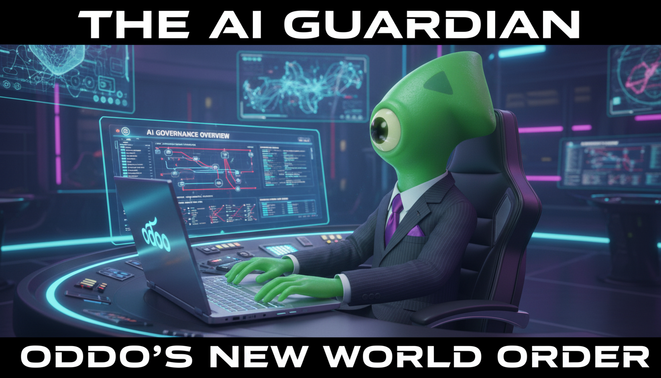
Mastering Enterprise AI Governance: Navigating Ethics and Risk in the Automation Era
The rapid use of artificial intelligence is changing modern business operations at a very high speed. Many companies now rely on advanced algorithms to drive efficiency and innovation across various departments. However, this progress introduces significant technical and ethical challenges for IT leaders.
Organizations must prioritize robust Enterprise AI Governance to manage these emerging threats effectively. The current landscape shows a clear disconnect between the speed of deployment and the use of safeguards. Indeed, “AI adoption is outpacing both security and governance.” This statement highlights a critical gap in modern digital strategies according to recent reports from IBM.
While new tools offer immense output gains, they often create invisible vulnerabilities within the corporate network. Employees frequently use unauthorized applications to complete tasks faster. This behavior results in data leaks and compliance failures that remain hidden from security teams.
Therefore, a structured framework is necessary to ensure that automation does not compromise integrity. Leaders need to balance the need for speed with the requirement for safety. Technology giants like Microsoft suggest that oversight must evolve as quickly as the tools themselves. Specifically, without clear oversight, the risks associated with data privacy and algorithmic bias will only grow. Enterprise AI Governance provides the necessary roadmap for navigating this complex era of automation.
The Shadow AI Threat and Enterprise AI Governance
Enterprise AI Governance faces a major challenge from shadow AI usage. Currently between 40 and 65 percent of employees use unapproved tools. These workers want to improve their productivity immediately. However they bypass official security protocols to do so. Consequently this practice creates massive risks for corporate data security. One must consider the research on how Musk impacts AI governance and integrity in such complex environments.
Many users access generative AI through personal accounts. Specifically about 47 percent of these users utilize unmanaged accounts. Therefore organizations lose visibility into what data moves outside the network. Experts believe that a ban without an alternative does not reduce usage. It reduces visibility. Additionally effective management requires providing better sanctioned solutions for workers.
Security breaches involving shadow AI carry a heavy price. According to information from IBM these incidents cost 4.63 million dollars on average. This amount is 670,000 dollars more than standard security events. Because of these costs leaders must rethink their overall approach. Thus companies should learn how to fix their failing enterprise automation strategy to avoid these losses.
Data leaks often involve sensitive information. Organizations with high shadow AI levels see more customer PII compromise. Such firms face a 65 percent rate of compromise. The figure is much higher than the 53 percent global average. Moreover companies must understand how to secure autonomous AI agents and infrastructure strategy to protect their future. In contrast proactive firms reduce their risk profile significantly.
Furthermore these unauthorized tools often lack enterprise level encryption. This absence makes it easier for attackers to intercept data. As a result companies must implement strict monitoring tools. Such tools help identify where unapproved models operate. Finally a strong policy ensures that innovation does not lead to disaster.

Future Proofing with Enterprise AI Governance and Agentic Systems
Gartner predicts a major shift in how businesses operate very soon. They forecast that 40 percent of enterprise applications will feature task specific AI agents by the end of 2026. This trend represents a move toward autonomous systems that can make decisions without human help.
However these tools introduce fresh technical challenges for modern IT teams. Therefore companies must integrate Enterprise AI Governance into their core infrastructure to stay safe. Because autonomous agents can access sensitive databases they require very strict oversight.
Security leaders need to learn how to secure autonomous AI agents and infrastructure strategy to prevent unauthorized access. Because these systems often operate in the background they can create invisible points of failure. Consequently organizations should adopt the NIST AI Risk Management Framework to guide their deployments.
Therefore this framework provides a structured way to identify and mitigate potential harms from algorithmic bias. Furthermore the EU AI Act sets a very high bar for safety and transparency. Full enforcement for high risk systems under Annex III begins on August 2, 2026.
As a result firms must prepare their documentation processes now to avoid heavy fines. Furthermore the Model Context Protocol (MCP) serves as a vital technical standard for interoperability. This protocol allows different AI models to share data securely across various platforms.
Using standards like the Model Context Protocol ensures that systems remain compatible and manageable. Indeed it helps teams maintain control over how agents interact with external data sources. Organizations must prioritize these technical standards to build reliable automation at scale. Thus a proactive approach to regulation and technology is the only path forward.
AI Governance Framework Comparison
| Feature | Unmanaged AI (Shadow) | Governed AI (Managed) |
|---|---|---|
| Data Security | Personal accounts and public endpoints | Enterprise SSO and encrypted private instances |
| Cost of Breach | Average 4.63M Dollars per incident | Standard operational risk with lower impact |
| Compliance | None (High regulatory risk) | EU AI Act and NIST AI RMF alignment |
| Productivity | Fragmented and inconsistent output | Optimized workflows and integrated agents |
| Visibility | Zero oversight for IT teams | Full audit logs and centralized monitoring |
CONCLUSION
Effective management requires a shift in mindset for corporate leaders. Simply banning unauthorized tools does not protect the organization from threats. Instead companies must provide secure and brand trained alternatives for their teams. This approach ensures that employees stay productive within a safe environment. Specifically remember that policy without enforcement is aspiration, not security.
Organizations should focus on providing official systems that meet their technical needs. Therefore moving from shadow tools to governed platforms is a vital step. Consequently businesses gain visibility into their digital operations while reducing risk. Moreover this transition allows teams to maintain compliance with global regulations. In contrast companies that delay these changes face much higher operational costs.
Employee Number Zero, LLC offers the ideal solution for modern enterprises. They build AI powered growth systems that companies deploy under their own infrastructure. Specifically these tools prioritize data privacy and operational security at every level. Their solutions like the Content Engine help automate marketing tasks immediately. Additionally the Revenue Predictions tool provides valuable insights for long term planning. Because these systems run locally companies maintain total control over their proprietary data.
Visit Employee Number Zero for deep dives into automation and governance. Furthermore follow their updates on Twitter at @Emp0_com for the latest news. Finally start your journey toward secure revenue multiplication through advanced automation today. By choosing a governed path firms can achieve sustainable success in the automation era. This strategy turns security from a hurdle into a competitive advantage.
Frequently Asked Questions (FAQs)
What is Shadow AI?
Shadow AI refers to the use of artificial intelligence tools without official IT approval. Employees often use these tools to boost productivity immediately. However this practice creates significant visibility gaps for security teams. Because of this lack of oversight data leaks become much more likely.
How does the EU AI Act affect US companies?
The EU AI Act applies to any firm that provides AI services within the European Union. Therefore US companies must comply with strict safety and transparency standards. High risk systems must follow Annex III rules by August 2026. Failure to comply can result in massive financial penalties for the organization.
Why is Enterprise AI Governance necessary for security?
Enterprise AI Governance provides a structured framework for managing algorithmic risks. It ensures that all tools align with corporate security policies. Because governance monitors data flows it prevents sensitive information from leaving the network. Thus organizations can safely scale production AI agent and RAG architectures across their internal teams.
What is the cost of an AI related data breach?
Incidents involving shadow AI cost an average of 4.63 million dollars according to data from IBM. This figure is significantly higher than standard security breaches. Therefore companies face extra financial burdens due to lost data and regulatory fines. Proactive management reduces these potential liabilities through clear oversight.
How does EMP0 help with AI governance?
EMP0 provides secure growth systems that businesses deploy on their own infrastructure. This setup allows for total data control and privacy. Because EMP0 trains these tools on your brand they reduce the need for unauthorized public applications. Consequently firms can achieve 10x revenue with autonomous AI agents while maintaining strict oversight.