
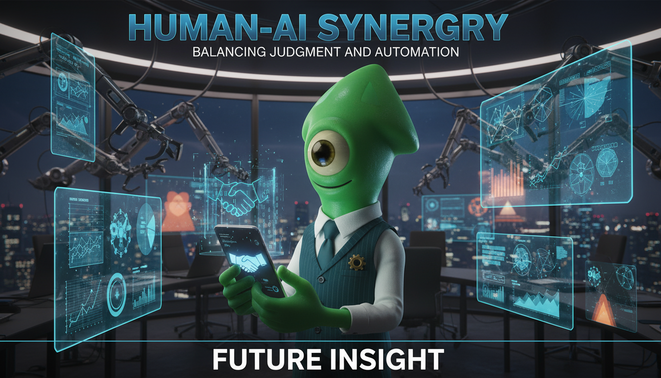
Mastering Customer Experience and Digital Quality: The Human Automation Balance
Modern business leaders face a constant struggle between mechanical efficiency and genuine human empathy. Digital tools offer incredible speed but they often fail to provide the warmth that customers desire. Consequently, finding a middle ground is essential for long term success. Success requires a deep understanding of Customer Experience and Digital Quality in an automated world.
A survey of six thousand adults reveals an interesting trend. It shows that 69 percent are more loyal to businesses using humans for customer service. This preference suggests that people still value authentic interactions over robotic scripts. Furthermore, over half of people trust a company less if it relies only on artificial intelligence.
The following sections explore the best ways to integrate new technologies while keeping the human touch alive. We will look at how automation can support rather than replace human agents. As a result, companies can improve their digital offerings without sacrificing emotional bonds.
Therefore, the journey toward digital transformation must prioritize the needs of the person behind the screen. Our objective is to help you build a strategy that respects both data and feelings because connection matters. Ultimately, the goal is to create a seamless experience that feels natural and helpful. Join us as we navigate the intersection of technical skill and human connection.

The Trust Deficit: Why Customer Experience and Digital Quality Require Empathy
The modern marketplace is moving fast. Many companies rush to adopt new tools. However, they often forget the human element. Trust is the foundation of any relationship between a brand and a buyer. When a brand replaces people with bots, trust often fades. Research from OnePoll and PwC highlights this concern. They found that 53 percent of adults trust a business less if it relies mostly on artificial intelligence. This statistic proves that consumers still value the presence of real people. Therefore, brands must choose their tools wisely.
Enhancing Customer Experience and Digital Quality Through Empathy
Companies must focus on both technical performance and emotional needs. Speed is great for simple tasks. However, complex problems require a soft touch. Around 70 percent of survey respondents believe human agents show more empathy than machines. This belief impacts how users view a brand. If a customer feels like a number, they might leave. Successful leaders know that digital quality involves more than just software. It involves the way a person feels during the journey. Emotional resonance is a key metric for success.
As industry experts note, “People stay loyal when they feel understood and supported. When interactions feel human rather than procedural.” This quote captures the essence of modern loyalty. Brands should learn How to Master Scalable Business Systems and Automation? without losing this connection. If you only focus on speed, you might lose the soul of your business. Therefore, finding a balance is the only way forward.
Furthermore, security and trust go together. Customers need to know their data is safe while they talk to your team. You can check if Is AI Integration in Mobile and Autonomous Systems secure? to ensure your platform meets high standards. A secure environment builds confidence. This confidence then leads to stronger emotional resonance.
Finally, your strategy must evolve. You can Master Scaling a Side Hustle and AI Business Strategy? by keeping the customer at the center. Digital quality is a living process. It requires constant feedback from real users. By listening to customers, you can refine your automated systems. This ensures that every touchpoint feels personal and respectful. Small changes in tone can make a massive difference in how people perceive your brand.
Strategic QA Manual vs Automated Testing
A successful QA strategy relies on a strong balance between speed and intuition. While machines offer scale, humans provide a vital perspective on user needs. Therefore, combining these methods is the best way to ensure Digital Quality. Teams prefer manual testing for UX evaluation while automation excels at scale. The table below highlights the differences between these two approaches.
| Factor | Manual Approach | Automated Approach |
|---|---|---|
| Exploratory Work | Humans find new bugs through creative thinking. | Machines struggle because they need pre set scripts. |
| Regression Suites | This is slow and prone to human error over time. | High speed and consistency using Appium and Espresso. |
| UX Empathy | Best for evaluating how a user feels during use. | Limited to binary checks and lacks emotional judgment. |
| Pipeline Integration | Difficult to scale within fast release cycles. | Essential for modern workflows using XCTest and Playwright. |
Technical Integrity Ensuring Customer Experience and Digital Quality in a Fragmented World
Maintaining a consistent app performance is difficult today. Android devices span a massive range of makers and screen sizes. Furthermore, different hardware profiles and OS versions create significant environment variability. This fragmentation can lead to bugs that frustrate users. Therefore, developers must test on real devices to ensure a smooth journey.
Security is another vital part of technical integrity. Mobile apps face recurring security risks every day. Because of these threats, teams must follow structured verification standards.
Using standards like OWASP MASVS helps protect sensitive user data. This protection builds the trust necessary for long term loyalty. As a result, users feel safe when interacting with your digital platform.
Specialized tools can help manage this complexity. For example, HeadSpin allows teams to test across various networks and locations. This ensures that the app works well for everyone regardless of their device.
Additionally, the Flutter SDK helps developers build beautiful apps from a single codebase. Consequently, you can maintain high quality without doubling your workload. These tools provide the technical foundation for a great user experience.
However, technology alone is not the answer. Experts like Natalie Ruiz offer a powerful perspective on this trend. She believes that the companies that will win in the long term will stay human on purpose. Instead, they will use technology to empower people rather than replace them.
Therefore, your technical strategy must always serve the end user. If an app is fast but lacks soul, it will fail. You should focus on creating a balance between code and care. Technical excellence supports the emotional connection that keeps customers coming back. By combining robust security with thoughtful design, you create a truly premium experience.
CONCLUSION
The future of modern business belongs to those who embrace a hybrid approach. While automation provides speed, human judgment ensures empathy. Therefore, companies must combine technical power with emotional care. This balance prevents a loss of trust among your loyal customers. As a result, your brand can scale without losing its soul.
Employee Number Zero, LLC or EMP0 specializes in this delicate balance. They provide brand trained AI workers to support your team. Furthermore, their systems help businesses multiply revenue through secure automation. These tools include the powerful Content Engine and Sales Automation platforms. Consequently, you can grow your business while keeping a personal touch.
You can explore these innovative growth systems on EMP0 Articles. This resource offers deep insights into AI powered strategies for success. Ultimately, the goal is to lead with heart and technology together. Your company deserves a strategy that respects both data and human feelings. Start your transformation today and build a brand that people truly love. Because connection is the key to growth.
Frequently Asked Questions (FAQs)
Why do customers prefer human agents?
Customers prefer human agents because humans show more empathy and care. Research shows that 70 percent of people believe human staff understand their problems better. Consequently, people feel more supported during a crisis. This emotional connection builds long term loyalty over time.
When should I use manual versus automated testing?
You should use manual testing for exploratory work and UX evaluation. It is perfect for finding creative bugs that machines might miss. On the other hand, automated testing is best for regression suites and fast release cycles. It ensures consistency across many devices at once for better scale.
What are the risks of over automation?
Over automation can lead to a significant loss of customer trust. Many people feel frustrated when they cannot speak to a real person. As a result, 53 percent of consumers might trust a brand less if it relies only on bots. Therefore, relying only on machines can damage your reputation and sales.
How does Android variability affect digital quality?
Android variability includes many screen sizes and OS versions. This fragmentation creates environment variability that can cause unexpected app crashes. Because of this, developers must test on many real devices. Using specialized tools ensures your app works for every user regardless of their hardware.
How can AI improve loyalty?
AI can improve loyalty by supporting human teams rather than replacing them. It handles simple repetitive tasks so humans can focus on complex needs. Furthermore, brand trained AI workers can provide fast and accurate information. This efficient support makes customers feel valued and respected throughout their journey.