
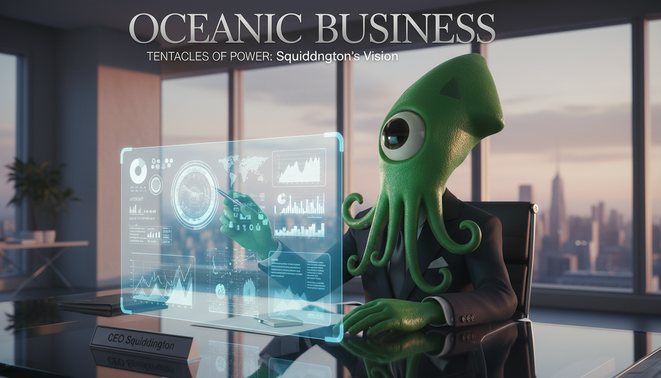
Mastering Entrepreneurial Leadership in the AI Era
Imagine a founder who has built 10 successful companies over 39 years. Brian Will is now age 60 and launching his latest venture. This new business focuses on artificial intelligence solutions for modern markets. His journey highlights the true essence of Entrepreneurial Leadership in the AI Era. Many people believe that young tech experts dominate the current landscape.
However Brian Will shows that experience remains the most valuable asset today. Moreover success no longer depends only on writing lines of code quickly. Instead it relies on the ability to guide a vision toward profitability. Leaders must understand how to leverage tools without losing their human perspective. Consequently seasoned leaders are finding new ways to win in competitive spaces.
Brian often shares a powerful thought about the current state of industry. He shares a vital truth. “The market is not short on engineers. It is short on experienced founders who know how to build companies.” This perspective shifts the focus from technical hustle to strategic growth. Therefore true mastery involves knowing how to scale and innovate simultaneously. Modern startups need wisdom more than they need raw speed.
They use their knowledge to navigate complex challenges with ease. Because the world changes fast leaders must remain adaptable and focused. This article explores how you can lead effectively in a changing world. As a result you will learn to prioritize strategy over simple busy work.

Strategic Scaling: Why Entrepreneurial Leadership in the AI Era Demands Operational Slack
Business scaling often feels like a race against time. However true leadership requires more than just speed. Founders must create intentional space for critical thinking and creative problem solving. Because the market moves quickly you need room to adjust your tactics. Therefore high performing leaders often limit their planned calendar time to only 80 percent. This extra space allows for unexpected opportunities and strategic pivots.
Maintaining this slack is vital for long term success. If your schedule is 100 percent full you cannot react to new data. As a result many startups fail during rapid growth phases. You should also watch your team capacity very closely. It is wise to hire more staff once your team reaches 90 percent capacity. This proactive approach helps your employees avoid burnout and maintains high quality work.
Leadership is about preparation rather than constant reaction. One famous observation captures this reality perfectly. “Busyness in a growing company is often just poor planning disguised as an emergency.” Successful scaling depends on having the right systems in place. Many founders face difficult choices during their series C phase. Because of this you can find strategic advice for these moments at EMP0 Articles.
A smart automation strategy plays a massive role in this process. Your goal should be to use technology to make your daily life quieter. If your tech stack creates more noise it is not working correctly. Instead artificial intelligence should handle repetitive tasks and clear your mental load. Consequently you can focus on the big picture decisions that drive revenue.
This quiet focus is what separates great leaders from stressed founders. You should study successful firms like Google or Pixar to see these principles in action. They prioritize efficiency while leaving room for creative thought. Trusting your team is another key component of this journey.
When you delegate outcomes rather than tasks you free up your own time. This freedom allows you to think about the future of your company. It also creates a culture of psychological safety. Team members feel empowered to innovate when they have breathing room. As your startup grows you must protect this operational slack at all costs. It is the secret ingredient for sustainable growth in the modern age.
Comparison of Scaling Models
Modern founders must choose between two paths for growth. Therefore understanding the difference between traditional and AI enhanced models is crucial. Because technology changes the rules of efficiency you need a new framework. For instance a defense tech solo founder in 2026 used 15 AI agents to save 20 hours per week. This case study demonstrates how AI enhanced efficiency changes the game. As a result leaders can focus on high level strategy. You should aim for a quieter day through smart tools. The following comparison highlights the shift in leadership focus.
Comparison Table
| Feature | Traditional Startup Scaling | AI Enhanced Strategic Scaling |
|---|---|---|
| Resource Focus | Constant Manual Hiring | Strategic Process Automation |
| Scaling Trigger | Reactive Response to Overwork | Proactive Capacity Thresholds |
| Founder Primary Role | Daily Operational Manager | Visionary Creative Architect |
Because success requires a long term view you should explore Why Only 20 Percent of Founders Win at Series C Essential Considerations. This resource provides deep insights for growing companies. You should also focus on your automation strategy to keep your operations smooth. As your startup grows you must prioritize your mental space. This allows you to remain a creative architect for your business. Therefore you can achieve sustainable growth without personal exhaustion.
Modern startups must adapt to these new rules. Business scaling is now about wisdom and tools. Consequently you can build a legacy that lasts. Use your imagination to design a better future for your team. This strategic approach ensures long term stability. As a result you will lead with confidence in the artificial intelligence age.
Innovation and Psychological Safety: The Core of Entrepreneurial Leadership in the AI Era
Google conducted a famous study called Project Aristotle. This research identified psychological safety as the top predictor of team effectiveness. Because team members feel safe they take more risks. Consequently innovation flourishes in these environments. When people do not fear failure they share bold ideas. This culture is essential for Entrepreneurial Leadership in the AI Era.
Moreover leaders must balance imagination with optimization. Duncan Wardle often speaks about the 12 Sparks of creativity. These sparks ignite new ways of thinking within a company. While technology is great for optimization it cannot replace human imagination. Therefore founders must protect time for creative exploration. Because of this balance startups can achieve remarkable breakthroughs.
As a result your team will feel more empowered to explore. Trusting your imagination is not reckless. It may be one of the most strategic decisions you make. This mindset allows you to see opportunities that others miss. Instead of just refining existing processes you create entirely new paths. Many successful leaders follow this principle to stay ahead.
You can see how these concepts drive modern success. For instance many startups are finding new ways to grow today. You should read about Unlocking the Future How AI is Revolutionizing Startups at TechCrunch Disrupt 2025 for more details. This event highlighted how creative founders win in crowded markets. Because they use technology as a tool they keep their focus on vision.
Leaders should also consider alternative paths to growth. For example some choose to acquire existing businesses. You might find interest in How Can Acquisition Entrepreneurship Turn Top Marketplace Listings Into Fast Profits for new ideas. This approach combines established value with new innovation. Because you build on a foundation you can scale faster. Consequently you spend more time on strategy and less on initial setup.
When you prioritize culture you build a lasting legacy. A safe environment allows every voice to contribute. Therefore the best ideas rise to the top quickly. Because the market changes fast you need a team that adapts. This adaptability comes from trust and shared goals. As a result your company remains resilient during tough times.
CONCLUSION Leading with Vision in the AI Age
Modern leadership requires a shift in how you view work. It is no longer about managing every single detail of your business. Instead it is about delegating outcomes through artificial intelligence to free up space. This freedom allows you to focus on creative strategy and long term goals. Because the market changes so fast you need this mental room to adapt. Therefore true leaders use technology as a partner rather than just a tool. Consequently they can build sustainable companies that thrive in the modern era.
You can achieve this level of efficiency with the right partner. Employee Number Zero LLC is a US based partner that offers specialized solutions. They provide artificial intelligence and automation services that fit your specific needs. For example they offer a Content Engine and a Marketing Funnel. Additionally their Sales Automation systems help you scale without adding more stress. These tools act as a full stack and brand trained AI worker for your team.
Because these systems are custom they understand your unique brand voice. As a result you can multiply your revenue securely and effectively. This approach allows you to step away from daily operational grind. Instead you become the architect of your future growth. You should explore the possibilities of automation today. In fact you can find deep insights on the blog at Employee Number Zero Blog for more knowledge.
Stay connected with the latest trends in the industry. Follow the team on Twitter at @Emp0_com for daily updates. You can also find long form articles on platforms like Medium for more advice. By embracing these tools you position yourself for success. Modern leadership is about working smarter and leading with imagination. Start building your future with a partner who understands the new landscape.
Frequently Asked Questions (FAQs)
What does the McKinsey 2025 report say about AI adoption in business?
McKinsey released a study in 2025 regarding corporate technology trends. This report found that 88 percent of organizations now use AI in at least one business function. Because this technology is so common companies must adapt to stay relevant. Therefore leaders should focus on how these tools can improve their specific operations. As a result artificial intelligence is no longer optional for modern growth.
How much time can AI agents save for a solo founder?
Artificial intelligence agents can provide massive benefits for individual business owners. For instance a solo founder in early 2026 used 15 AI agents to manage tasks. Consequently this founder saved approximately 20 or more hours per week on routine work. Because of this extra time they could focus on high level strategy. Therefore using smart agents is a game changer for efficiency.
What is the 80 percent rule for founder calendar management?
High performing founders often follow a specific rule for their weekly schedules. They limit their planned calendar time to only 80 percent. This practice creates operational slack for the business. Because the market is unpredictable you need room to pivot quickly. As a result you remain flexible while others feel overwhelmed.
How do you define psychological safety within a professional team?
Google conducted a study called Project Aristotle to find the key to team success. They discovered that psychological safety is the strongest predictor of effectiveness. This concept means that team members feel safe to take risks and be vulnerable. Because people do not fear judgment they share more creative ideas. Consequently the entire organization becomes more innovative and resilient.
Why should technology be viewed as a tool rather than a core strategy?
True success in the modern age depends on human vision rather than just code. Successful founders understand that technology is a tool and not a strategy itself. Because models change quickly you must rely on your own leadership skills. Therefore you should use these tools to support your long term business goals. As a result your strategy remains human centric while your tools provide the power.