

The Future Unveiled: Emerging Tech Trends at CES 2026
CES 2026 has officially captured the global imagination by showcasing the next wave of innovation. The event highlights several breakthrough sectors including humanoid robots, clean tech mining, and personal health devices. These technologies promise to redefine our daily existence in profound ways. Specifically, the rapid evolution of robotic systems shows how close we are to a fully automated society. Consequently, investors and tech enthusiasts are watching these developments with intense interest.
Humanoid robots now stand at the forefront of the digital revolution. These sophisticated machines represent a massive leap in both mechanical design and artificial intelligence. Because they can navigate human environments, they offer solutions for labor shortages and service roles. Therefore, their presence at the event signals a new era for industrial and domestic automation.
In addition to robotics, the spotlight focuses on clean tech mining solutions. This industry seeks to extract essential minerals with minimal environmental impact. As a result, it supports the global transition toward renewable energy and sustainable manufacturing. This shift is vital because the demand for green materials continues to grow rapidly.
Finally, personal health devices have reached a new level of sophistication this year. These gadgets provide users with precise data about their physical health. Because of these advances, people can manage their health with greater accuracy and ease. The combination of these three fields creates a vibrant picture of the coming technological landscape.
Technology and Innovation: The Rise of Humanoid Robots
The Advanced Technology Fueling Humanoid Robots
Modern robotics has reached a peak with the development of the Atlas machine. This specific model from Boston Dynamics demonstrates incredible mechanical agility. For instance, the robot features 56 degrees of freedom within its joints. Because of this complexity, it can mimic natural human movements with high precision. As a result, the machine possesses impressive strength. It can lift weights of up to 50 kilograms effortlessly. Therefore, these technical specs allow humanoid robots to perform heavy duty tasks in industrial settings. Consequently, companies like Hyundai plan to deploy these units soon. For this reason, many experts wonder how enterprise AI tools and robotics boost productivity in such environments. However, the answer lies in the seamless integration of hardware and software. Specifically, high quality sensors and powerful motors work together. This synergy enables the robots to interact safely with human workers.
Leading Examples of Humanoid Robots at CES 2026
The latest tech event showcased several remarkable machines that captured the attention of visitors. For example, Atlas won the Best Robot award from CNET due to its production ready status. This achievement marks a turning point for the robotics industry. Besides Atlas, Dyna Robotics introduced a specialized machine called The Laundry Assistant. This robot focuses on domestic chores such as laundry folding. Because it simplifies daily life, it appeals strongly to homeowners. Similarly, another standout was the T800 from EngineAI. This robot showed off its athletic side by performing martial arts and shadowboxing routines. As a result, it highlights the potential for robotics in entertainment and training. Furthermore, physical AI transformation of mobility continues to influence how these machines move through the world. Each of these examples proves that humanoid robots are becoming more versatile. In fact, they are no longer just prototypes for research labs. Instead, they are becoming functional tools for real world applications. Additionally, we might soon see how a Sprout humanoid robot for hospitality changes the service sector. These innovations suggest a future where robots are common companions in every industry.
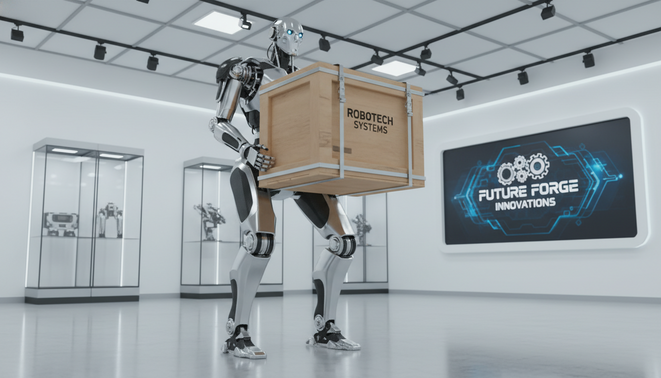
Industry Milestones for Humanoid Robots
The world of humanoid robots experienced major milestones recently. These developments show that machines are moving from labs to real life. Many experts believe these changes will impact every major industry. For example, new software allows robots to process data locally and react much faster. Because of this speed, robots can work alongside humans with more safety. This technology also improves the way robots interact with their environment.
Key Facts and Deployments:
- The CNET team presented the Best Robot award to Atlas during the latest event.
- Boston Dynamics has already moved Atlas into a production phase for wide use.
- Hyundai plans to deploy these robots in its facilities throughout the year.
- Google DeepMind will also integrate Atlas into its research and operations.
- This robot provides a sturdy platform for testing complex artificial intelligence models.
This momentum signals a shift in corporate strategy for major tech players. Therefore, we must evaluate recent market developments carefully. Such massive investments prove that the industry values mobile robotics very highly. As a result, we expect more companies to follow this lead.
Expert Perspectives on the Atlas Robot
Asher Umerie, the Senior Editor at HackerNoon, shared his thoughts recently. He focused on the readiness of current hardware compared to previous years. Asher Umerie stated: “Seeing as it was a production ready humanoid, my money is on Atlas from Boston Dynamics.”
This endorsement reflects a broader trend among industry observers. Many people feel that Atlas represents the most reliable option available today. Because the machine is ready for production, it stands out from competitors. Consequently, its adoption rate might accelerate much faster than expected. This growth will likely lead to more innovations in the field very soon.
Comparing Top Humanoid Robots from CES 2026
The tech landscape is shifting rapidly as these machines move into the real world. This table summarizes the standout humanoid robots presented during the event. Each model offers unique advantages for different sectors ranging from retail to heavy industry.
| Company | Key Capabilities | Degrees of Freedom | Notable Use Cases | Deployment Status |
|---|---|---|---|---|
| Boston Dynamics | High power mobility and lifting | 56 | Logistics and factories | Production ready |
| Dyna Robotics | Laundry folding and sorting | High | Domestic chores | Prototype showcased |
| EngineAI | Martial arts and shadowboxing | 43 | Entertainment and training | Introduced at CES |
| Galbot | Item retrieval and delivery | Dual arm | Retail support | Award winning precision |
These machines represent the pinnacle of modern engineering. Because they use advanced sensors, they can operate in complex environments safely. Therefore, businesses are looking at these models to solve labor gaps. Each company continues to push the limits of what these machines can achieve. Consequently, we expect to see more specialized roles for them soon. Furthermore, the integration of these systems into daily life is becoming more feasible. For this reason, the next few years will be crucial for the industry. As a result, observers are keeping a close eye on these specific models.
Conclusion: The Era of Intelligent Machines
The rise of humanoid robots marks a significant turning point in global technology. These machines offer solutions for complex labor and service challenges. Because they work with precision, they allow humans to focus on higher value tasks. Therefore, the future of work involves a close partnership between people and machines. As a result, companies must embrace these changes to thrive in a digital world.
Employee Number Zero LLC, known as EMP0, specializes in advanced AI and automation services. We help businesses increase their revenue and operational efficiency through custom software. Our solutions align with the latest innovations such as humanoid robots and physical intelligence. Because we focus on measurable results, our clients gain a competitive edge in their markets. Consequently, we are the ideal partner for companies looking to lead their industries.
To explore our work, visit the EMP0 blog at the EMP0 blog. We also provide automation templates and workflows through our creator profile on n8n at our n8n creator profile. By using these resources, you can start your journey toward a more automated and profitable future. Our team remains dedicated to driving growth through smart technology. We invite you to follow our progress and join the automation revolution.
Frequently Asked Questions about Humanoid Robots
Finding clear answers helps people understand new technology. This section addresses common concerns about the rise of these machines. Each response provides a brief look at the current state of robotics. Because the field moves fast, staying informed is vital for everyone.
What exactly are humanoid robots?
Humanoid robots are machines built to look and act like people. They usually have a torso with a head and two arms plus two legs. These machines use complex sensors to see their surroundings. Because they resemble the human form, they can use tools made for people. This design allows them to navigate our homes and offices easily. Therefore, they fit into existing infrastructure without many changes. Many people follow IEEE Spectrum for the latest design updates.
What are the main applications of this technology today?
Currently, these robots serve in several key industries. They work in factories to move heavy crates or sort parts. Because they have high precision, they also help in logistics centers. Some models focus on domestic tasks like laundry folding. Others provide assistance in retail stores by finding items for customers. As a result, they help reduce the burden on human staff. For more stories on these uses, check TechCrunch regularly.
What benefits do businesses gain from using these machines?
Companies enjoy several advantages when they adopt this tech. For instance, robots can work long hours without getting tired. Because they are consistent, they reduce errors in repetitive tasks. This reliability leads to higher productivity for the whole team. Therefore, businesses can fulfill orders faster than before. Furthermore, robots can handle dangerous jobs to keep people safe. You can read more about industry benefits at The Robot Report.
What challenges do developers still face?
Engineers deal with several hurdles while building these machines. For example, maintaining balance on uneven ground is very difficult. Because humanoid frames are complex, they require a lot of power. This means battery life remains a concern for long shifts. Additionally, the software must process vast amounts of data in real time. As a result, creating a truly autonomous robot is a major feat. However, constant improvements in AI are helping to solve these issues.
What does the future hold for humanoid robot technology?
The future looks very promising for this field. We expect to see robots with even better mobility and intelligence. Because of falling costs, they will become common in middle class homes. They might even help care for elderly people in the near future. Therefore, society will likely view them as standard tools or companions. As the tech matures, we will find even more creative ways to use them. This evolution will likely change how we live and work forever.