
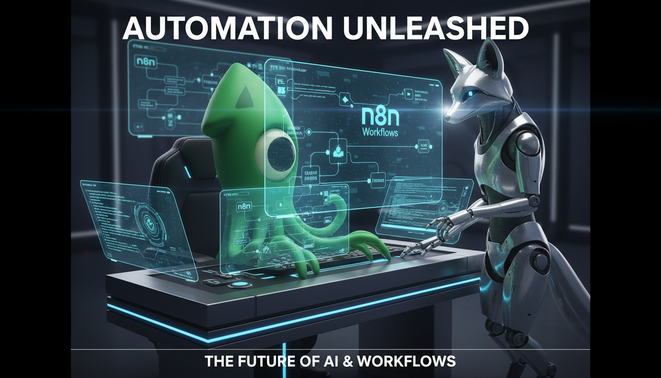
Workflow Orchestration and Agentic QA Architecture: The Future of Enterprise Automation
The landscape of digital transformation is shifting from simple task automation toward complex system coordination. Enterprises currently face a critical crossroads because traditional stateless execution no longer meets the demands of modern scale. To succeed in this era, leaders must adopt a robust Workflow Orchestration and Agentic QA Architecture for reliability. This shift marks the end of isolated scripts and the beginning of fully integrated environments.
While automation handles individual tasks, orchestration focuses on managing the entire lifecycle of a process. Most legacy systems suffer from stateless execution because the system lacks awareness of previous actions. Therefore, this often leads to the double execution problem. For instance, if a server fails mid process, a stateless system might restart and create duplicate data entries. Consequently, such errors cause significant financial and operational risks. By 2026, moving from individual tasks to end to end coordinated processes is essential for survival.
Agentic QA brings a new layer of intelligence to this framework. Instead of following rigid scripts, autonomous agents analyze and adapt to changes in real time. This architecture creates a production control plane that manages state effectively across multiple services. As a result, it allows teams to move beyond manual intervention and build self healing systems. The future of enterprise automation lies in the fusion of state management and intelligent agents. Together, they build a foundation for resilient and scalable digital operations.
Bridging the Automation Gap with Workflow Orchestration and Agentic QA Architecture
The speed of software development is reaching unprecedented levels. According to data from Tricentis, over 40 percent of code written in 2025 was generated by AI. However, this surge in production has exposed a significant weakness in quality control. The software testing industry has plateaued at roughly 25 percent automated test coverage. This gap between code creation and validation creates a dangerous bottleneck for enterprises.
To close this distance, businesses are turning to a Workflow Orchestration and Agentic QA Architecture. Standard automation often fails because it cannot handle the dynamic nature of AI generated code. In contrast, Agentic QA uses autonomous agents to manage complex testing cycles. These agents plan and adapt based on actual goals rather than fixed instructions. As a result, they can navigate unpredictable shifts in the software environment.
A robust Workflow Orchestration and Agentic QA Architecture ensures that every task remains connected to the broader business goal. Platforms like n8n provide the necessary tools to synchronize these autonomous agents with existing workflows. This coordination is vital because it prevents data silos and execution errors. Furthermore, Gartner predicts that 40 percent of enterprise applications will feature task specific AI agents by 2026. Therefore, building a solid orchestration layer is no longer optional.
Modern platforms like n8n support both trigger based automation and multi step state management. This versatility allows developers to build complex logic without losing track of progress. Specifically, the system records the status of every transaction in real time. Because the engine tracks state, it avoids repeating finished tasks after a crash. This level of production control is essential for enterprise grade stability.
This transformation changes how teams operate on a fundamental level. As the industry moves forward, the role of human experts remains vital. “QA engineers are not replaced. They are elevated. The role shifts from test executor to quality strategist and AI orchestrator.” By utilizing AI agent development tools, professionals can focus on high level strategy. Consequently, this synergy allows for faster deployments without sacrificing reliability.
Workflows vs. Orchestration
Orchestration links many tasks into one process. While simple tools handle single jobs, these systems manage the whole flow. This method stops errors and keeps data correct. Therefore, teams can build better systems with these tools. A Workflow Orchestration and Agentic QA Architecture helps teams scale. The following table shows how these methods differ.
| Feature | Standard Automation | Agentic Orchestration |
|---|---|---|
| State Management | Stateless | State aware |
| Failure Resilience | Manual retry | Automated Record of State |
| Data Integrity | Risk of double execution | Idempotency design |
| Scalability | Linear | Exponential via autonomous agents |
The Four Pillar Cycle of Agentic QA
Modern enterprise strategy relies on resilient systems. Gartner predicts that 40 percent of enterprise applications will feature task specific AI agents by the end of 2026. These agents operate within a Workflow Orchestration and Agentic QA Architecture. This structure ensures that every action aligns with the broader business logic. The process follows a continuous cycle divided into four distinct phases.
The first phase is Analyze and Plan. During this stage, autonomous agents examine technical requirements. They pull data from platforms like Jira to understand project goals. Because they can process vast amounts of documentation, they identify potential risks early. This proactive approach sets the foundation for a successful deployment.
Next comes Generate and Create. Agents build test cases based on the initial analysis. Unlike static scripts, these cases are dynamic. They adapt to changes in the code base automatically. Therefore, teams can maintain high coverage without manual intervention. This efficiency is critical as the volume of AI generated code increases.
The third phase is Execute and Observe. Here, the system acts as a production control plane. Tools like n8n manage multi step state management during execution. This means the system remembers every previous step. If a failure occurs, the orchestrator knows exactly where to resume. Meanwhile, tools like Datadog provide real time observability. This monitoring ensures that every agent performs as expected.
Finally, the cycle reaches Adapt and Heal. This is where agents create self healing tests. When a test fails due to a minor UI change, the agent identifies the cause. It then updates the test script to match the new environment. This capability significantly reduces the burden of regression testing. To maintain security during these updates, the system integrates with AWS Secrets Manager. Consequently, the entire architecture remains secure and resilient. This continuous loop allows enterprises to scale at high speeds while maintaining quality.
Conclusion
Transitioning to an Agentic QA architecture offers immense rewards for the modern enterprise. It eliminates the double execution problem by keeping a precise record of every system state. Because the system remains aware of progress, it never repeats successful tasks after a failure occurs. Furthermore, this intelligent approach drastically reduces the test maintenance burden for engineering teams. Since agents update themselves, humans no longer need to fix broken scripts manually. As a result, businesses can deploy software faster and with greater confidence than ever before.
Leading this revolution is EMP0, also known as Employee Number Zero, LLC. This US based provider delivers full stack AI solutions that are brand trained for specific business needs. For example, they offer powerful tools like the Content Engine to streamline marketing efforts. Moreover, their Sales Automation and Revenue Predictions help companies optimize their growth strategies. These ready made tools allow organizations to integrate advanced AI without building from scratch.
You can explore more about their innovative offerings and insights at EMP0 Articles. Additionally, for developers looking to scale their workflows, their official contributions are available on EMP0’s Official n8n Creator Page. Adopting a Workflow Orchestration and Agentic QA Architecture is the key to future success. Therefore, start your journey today to build a more resilient and automated future. Follow @Emp0_com on X to stay informed about the latest industry shifts.
Frequently Asked Questions
What is the double execution problem?
The double execution problem occurs when a system fails and restarts without knowing its previous status. Consequently, it may repeat tasks that were already completed. This often results in duplicate records or incorrect financial transactions. Orchestration prevents this by maintaining a strict record of state. Therefore, it ensures every task runs exactly once regardless of system crashes.
How does Agentic QA differ from traditional automation?
Traditional automation uses static scripts that follow a linear path. However, these scripts often fail when a developer changes the application interface. Agentic QA uses autonomous agents that analyze the environment in real time. These agents adapt their behavior to meet specific quality goals. As a result, they significantly lower the maintenance burden for engineering teams.
What are the four phases of the agentic cycle?
The cycle follows a continuous loop to ensure software quality. First, agents analyze and plan by reviewing project documentation. Second, the system generates and creates test scenarios dynamically. Third, agents execute and observe the system performance. Finally, the agents adapt and heal tests to fix minor errors automatically. This process creates a resilient testing environment for the enterprise.
Is n8n suitable for orchestration?
Yes, n8n is a powerful tool for managing complex digital processes. It allows developers to build workflows that handle multi step state management efficiently. Because it connects various services, it acts as a reliable control plane. Teams can use it to synchronize autonomous agents with existing business logic. Therefore, it supports the scale required for 2026 operations.
What role does idempotency design play in modern workflows?
Idempotency design is a strategy where an action produces the same result regardless of how many times it runs. This design is crucial for preventing data corruption in distributed systems. Because it eliminates the risk of duplicate entries, it enhances overall system stability. Moreover, it is a foundational element of any Workflow Orchestration and Agentic QA Architecture. Using this approach helps teams build more predictable and robust automation.