
Technology trends 2026: AI driven services, wearables, fintech valuations, and memory shortages
The global tech landscape is evolving faster than ever before. New innovations are shifting how we work and play every single day. Technology trends 2026: AI driven services, wearables, fintech valuations, and memory shortages will define the next decade of progress. Companies are preparing for a world where smart tools learn our habits in real time. Because of these changes, consumers must adapt to more expensive and more powerful hardware.
Wearable technology is ready for a massive leap in capability. Products like the Ultrahuman Ring Pro provide deep health metrics for users everywhere. These rings offer a fifteen day battery life and advanced heart rate sensors. However, patent disputes can still block some devices from reaching every market. As a result, the race for dominance in health tracking is becoming more intense. You can see these products at Ultrahuman.
Fintech companies are also seeing their market values rise again. For instance, Plaid recently achieved an eight billion dollar valuation during its latest share sale. This growth shows that investors still believe in the future of digital finance. Meanwhile, startups are using AI to create personalized audio briefings for busy professionals. These tools read your emails to save you hours of manual sorting. You can explore more about financial services at Plaid.
However, the hardware market faces a significant hurdle in the coming year. Experts expect a global memory shortage to reduce smartphone shipments significantly. According to data from IDC, the market might see a sharp decline in total units sold. This structural shift means that buyers will face higher costs for premium devices. Therefore, the industry must find new ways to balance performance with rising component prices. Research from Counterpoint Research suggests that the premium segment will remain the most resilient.
Technology Trends 2026 AI Driven Services Wearables Fintech Valuations and Memory Shortages in Health Tech
Smart rings are leading the charge in personalized health monitoring today. The global market for these devices grew by nearly eighty percent in 2025. Oura remains the clear market leader with more than sixty six percent of all shipments. However, competitors like Ultrahuman are quickly gaining ground with new hardware. These companies aim to provide more than just static health summaries. You can find more details about their latest products at Oura and Ultrahuman.
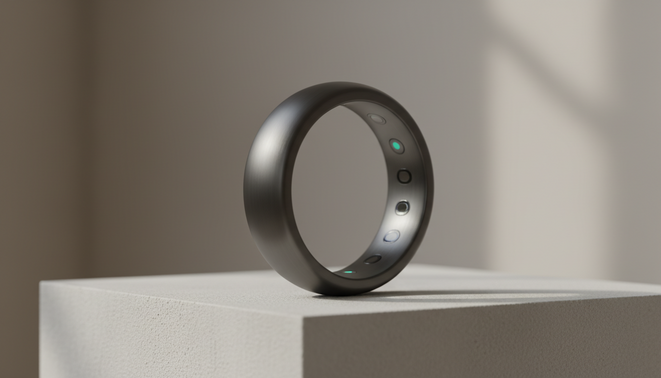
The new Ultrahuman Ring Pro showcases the future of wearable hardware for users. This device features a redesigned heart rate sensing architecture for better accuracy. It also includes a powerful dual core processor and enough storage for two hundred fifty days of data. Because of its advanced design, the ring is slightly heavier than the previous Ring Air model. Users can expect a fifteen day battery life which sets a new standard for the industry.
Key Innovations in the Ring Pro and Health Ecosystem
The industry is moving toward more durable and smarter devices. Below are the key features and developments for the current year:
- Redesigned heart rate sensing architecture for precise biometric tracking
- A dual core processor that manages complex health data efficiently
- Internal storage capable of holding up to two hundred fifty days of metrics
- Battery life lasting up to fifteen days on a single charge for users
- Support for the Pro Charger which adds forty five days of power via Qi wireless charging
- Recent market data shows women account for about sixty eight percent of the user base
AI is also changing how we use our health data in real time. The Jade platform is a primary example of this shift in health software. “Jade is designed to move beyond retrospective health summaries toward real time actionable guidance,” says the manufacturer. Most current tools only look backward at historical data. In contrast, Jade reacts to your current health status to offer immediate suggestions. This technology helps users make better choices throughout their daily routines.
However, legal challenges and privacy issues remain a concern for the industry. The US ITC recently blocked certain imports to the United States because of patent disputes. Ultrahuman has submitted its new device for clearance to confirm it can legally be imported. “The device has been submitted to the US Customs and Border Protection for clearance,” notes the company. While the technology is impressive, companies must also protect sensitive user information. Most apps now promise not to use personally identifiable data to train their models. Transparency is vital for building trust with consumers who share their most private metrics.
Technology Trends 2026 AI Driven Services Wearables Fintech Valuations and Memory Shortages in Financial Markets
The financial technology sector is showing signs of renewed strength in twenty twenty six. Many private firms are now using secondary market sales to reward their long term staff members. Because of this strategy, employees can access cash without waiting for a traditional stock market listing. This approach is becoming more common among industry leaders like Stripe and Plaid.
Plaid recently saw its valuation rise to eight billion dollars in a recent share sale. This figure represents a thirty one percent increase from its six billion dollar valuation last year. However, the company is still working to reach its previous high of thirteen billion dollars. Such transactions serve as a powerful tool for retaining top engineering talent. Moreover, they provide a realistic view of current market demand for digital financial services.
Significant Fintech Valuations and Growth Statistics
The current landscape for private fintech firms is shifting rapidly as investors look for stability. Here are the most significant statistics regarding these market leaders:
- Stripe holds a massive one hundred fifty nine billion dollar valuation for share sales
- Plaid valuation increased thirty one percent within the last twelve months
- The current eight billion dollar price for Plaid remains forty percent below its peak
- Secondary markets provide necessary liquidity for employees in the absence of an IPO
Investors are feeling more confident about the fintech sector today. This trend follows a period of cooling prices for many digital startups. Consequently, the rise in share prices for companies like Plaid suggests a positive outlook for the industry. Experts believe that the focus on real revenue and sustainable growth is helping valuations recover. Many companies are now focusing on efficiency to attract long term capital. “Such transactions have become increasingly common among private companies using liquidity as a retention tool,” notes the recent market report.
This shift in the market shows that fintech remains a core part of the global economy. Although prices are not at record highs, the steady growth is encouraging for developers and consumers. Therefore, we can expect more firms to explore private share sales in the coming months. These trends will likely shape how new startups approach their own paths to public listings.
Summary of Technology Trends 2026: AI Driven Services, Wearables, Fintech Valuations, and Memory Shortages
The table below provides a quick overview of the major shifts occurring across the tech landscape this year. It highlights key market impacts and the leading companies driving these changes.
| Tech Trend | Key Facts | Market Impact | Notable Entities | Future Outlook |
|---|---|---|---|---|
| AI Driven Services | Real time health guidance and audio briefings | Enhances daily productivity and proactive health | Jade, Huxe, Monolog | Shift toward predictive and real time AI interactions |
| Wearables | 15 day battery life; 80% YoY shipment growth | High demand for advanced health tracking metrics | Ultrahuman, Oura | Increased focus on battery longevity and biometric sensors |
| Fintech Valuations | Secondary share sales; Plaid valued at $8B | Improved employee retention through liquidity | Plaid, Stripe | Stabilizing valuations with focus on sustainable growth |
| Memory Shortages | RAM costs rising; 12% drop in smartphone units | Higher retail prices for premium smartphones | IDC, Counterpoint, Nothing | Supply chain stabilization expected by mid 2027 |
Conclusion Preparing for the Tech Landscape of 2026
The landscape of technology in twenty twenty six is shifting toward deep personalization and high performance. We are seeing a massive surge in AI driven services that change how users manage their daily data. At the same time, new wearables provide better insights into our physical health than ever before. However, the industry must still navigate memory shortages and rising component costs for premium devices. Therefore, consumers and developers should remain aware of these changing fintech valuations as the market settles.
Staying ahead of these technology trends 2026 AI driven services wearables fintech valuations and memory shortages requires the right tools. EMP0 is a US based provider of AI and automation solutions that helps businesses thrive. They offer a full stack brand trained AI worker to help you scale your operations effectively. This advanced system allows companies to multiply their revenue securely in a competitive world. Because of their expertise, your team can focus on high level strategy while automation handles the routine work.
You can learn more about their AI powered growth systems today by visiting their online profiles. Explore their latest research and articles at EMP0 Articles for expert advice. Furthermore, you can find their creator tools and templates at n8n Creator Tools. Note that the n8n link provided has been cleaned of symbols to maintain clarity. Therefore, start your journey into the future of business automation with a trusted partner today.
Frequently Asked Questions (FAQs)
What are the most significant technology trends 2026 AI driven services wearables fintech valuations and memory shortages that consumers should know?
The current year marks a major turning point for the digital world. AI driven services are becoming more proactive by anticipating our needs in real time. Because of this progress, wearables are shifting from simple trackers to advanced health advisors. You can see these trends in the latest products from companies like Ultrahuman.
At the same time, fintech valuations are showing signs of recovery through employee share sales. However, memory shortages are creating supply chain hurdles for hardware manufacturers. Therefore, consumers must prepare for a mix of rapid innovation and rising equipment costs. This combination will redefine how we interact with technology on a daily basis.
How will the global memory shortage impact the price of new smartphones in 2026?
The shortage of RAM components is causing a structural reset in the smartphone market. Experts from IDC predict that total shipments will drop by millions of units this year. As a result, the average price for a new smartphone is expected to rise by fourteen percent. Premium devices will remain popular because they offer the best performance despite the higher costs.
However, budget segments may see a decline of up to twenty percent in available options. Therefore, buyers might have to choose between paying more or accepting lower specifications. Manufacturers like Nothing are already warning about these potential price hikes for upcoming models. We can expect prices to stabilize only after the supply chain recovers in mid 2027.
Why are fintech companies like Plaid and Stripe increasing their valuations through secondary share sales?
Many private fintech firms use secondary sales as a way to reward their loyal employees. Furthermore, these transactions allow staff to sell their shares without the need for an IPO. For instance, Plaid recently saw its valuation jump to eight billion dollars during such a sale. This represents a significant thirty one percent increase compared to its valuation in the previous year.
Because these companies stay private longer, they need tools to provide liquidity to their teams. Consequently, these sales help companies retain their best talent while maintaining market confidence. Stripe has also maintained a high valuation because it uses similar financial strategies. You can learn more about these financial platforms at Stripe and Plaid.
What makes the Ultrahuman Ring Pro different from other health wearables on the market?
The Ultrahuman Ring Pro stands out because of its focus on real time biometric tracking. It features a new heart rate sensing architecture that provides much higher accuracy for users. Additionally, the device offers a fifteen day battery life which is leading the current market. Because it uses a powerful dual core processor, it can handle complex data without draining power.
The ring also works with the Jade platform to provide immediate health suggestions. As a result, users receive actionable guidance instead of just looking at past summaries. These features make it a top choice for people who want deep health insights. Furthermore, the global smart ring market is growing at a rate of nearly eighty percent year over year.
How do AI driven services like Jade and Huxe improve daily productivity and health management?
AI driven services are moving beyond simple data collection to offer meaningful assistance. For example, Huxe reads your emails and calendar to create a short audio briefing every morning. This tool saves you time by summarizing your most important tasks into a fifteen minute podcast. Meanwhile, Jade uses wearable data to react to your current health status in real time.
It suggests specific actions you can take to improve your energy or focus throughout the day. Because these tools work in the background, they allow you to stay productive without constant manual input. Therefore, these innovations represent a shift toward more intelligent and helpful digital companions. This trend will continue to grow as more people adopt proactive health and productivity tools.