

SpaceX FCC Approval to Launch 7,500 More Starlink Satellites: A New Era for Global Connectivity
The landscape of global internet connectivity is poised for a significant transformation. A major development fueling this change is the recent SpaceX FCC approval to launch 7,500 more Starlink satellites. This decision by the Federal Communications Commission marks a pivotal moment for the company’s ambitious low Earth orbit project. As a result, SpaceX can now substantially expand its second generation, or Gen2, satellite constellation. The regulatory green light is therefore a critical step in SpaceX’s mission to deliver high speed, low latency internet to underserved and remote areas across the planet.
However, this massive expansion is not a simple matter. The approval comes with specific conditions and deployment timelines that SpaceX must meet. Moreover, it brings to the forefront important discussions about orbital debris and the increasingly competitive environment of the satellite internet industry. This article explores the details of the FCC’s decision, what this expansion means for the future of Starlink’s services, and the broader implications for consumers and competitors alike. We will delve into the technological capabilities of the Gen2 satellites and the regulatory journey that continues for SpaceX.
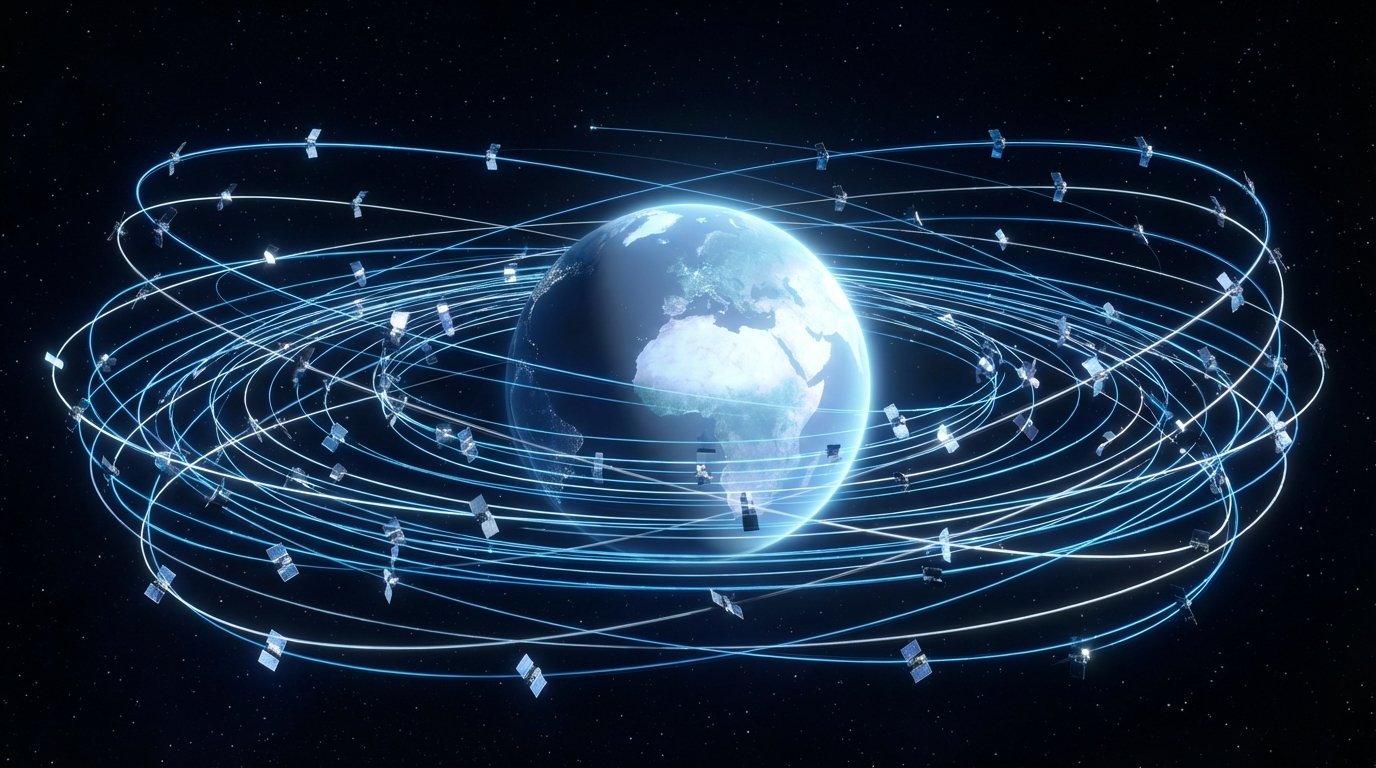
Understanding the FCC’s Approval for Gen2 Satellites
The Federal Communications Commission recently granted SpaceX a significant authorization. This approval allows the company to launch and operate 7,500 of its next generation Starlink satellites. This decision is a crucial step forward for SpaceX, effectively doubling its authorized satellite constellation. However, the approval represents only a portion of the company’s original request. SpaceX had sought permission for a much larger network, but the FCC chose to defer a decision on the remaining proposed satellites. As a result, the regulatory body will continue to evaluate the broader impacts of such a large scale deployment.
Furthermore, the FCC has attached strict deadlines to this authorization. SpaceX is required to launch at least half of the newly approved satellites, which is 3,750 of them, by December 1, 2028. The company must then launch the remaining half by December 2031. These timelines ensure that SpaceX follows through on its plans in a timely manner, preventing the hoarding of orbital spectrum resources.
Enhanced Capabilities and Direct to Cell Connectivity
The Gen2 satellites represent a major technological leap. They are designed to offer more robust and versatile services compared to the first generation. One of their most important features is the ability to operate across five different frequencies. This capability allows for greater network flexibility and resilience, which can significantly improve service quality for users on the ground. Consequently, the expanded network promises higher speeds and lower latency.
These advanced satellites also enable new types of services, including direct to cell connectivity. This feature is a game changer for global communications. Here are some of the key improvements:
- Global Mobile Access: The network will provide service directly to standard mobile phones in international markets, eliminating the need for special hardware.
- Supplemental US Coverage: Within the United States, the new satellites will enhance existing Starlink services, helping to fill in coverage gaps and boost network capacity.
- Increased Bandwidth: The overall system will be able to handle much more data, supporting a growing base of customers with demanding internet needs.
- Improved Reliability: By using multiple frequency bands, the network can better manage interference, leading to a more stable connection for everyone.
Starlink Satellite Deployment Overview
| Feature | Previously Authorized Satellites | Newly Approved Gen2 Satellites | Deferred Gen2 Satellites |
|---|---|---|---|
| Number of Satellites | 7,500 | 7,500 | 14,988 |
| Operational Frequencies | Standard Frequencies | Five Frequencies | Proposed Five Frequencies |
| Coverage Areas | Global Broadband | International Direct to Cell & Supplemental U.S. | Proposed Global Expansion |
| Launch Deadline / Status | Operational | 50% by Dec 2028; 100% by Dec 2031 | Authorization Deferred |
Regulatory Hurdles and Deployment Timelines
While the approval for 7,500 satellites is a significant step, it represents a partial authorization of SpaceX’s broader ambitions. The Federal Communications Commission has deferred a decision on the remaining 14,988 proposed Gen2 Starlink satellites. This move, as reported by outlets like Space.com, indicates a cautious approach from the regulatory body. Consequently, the FCC is taking more time to assess the potential impact of such a massive satellite constellation on the orbital environment. This delay underscores the growing complexity of space regulation.
The deferment is rooted in serious concerns about the sustainability of activities in low Earth orbit. Regulators and competitors have raised valid questions regarding orbital debris and the increased risk of in space collisions. As thousands of new satellites are launched, the challenge of managing space traffic safely becomes much more critical. Therefore, the FCC’s decision reflects a commitment to balancing innovation with the long term health of the orbital commons. SpaceX must still address these concerns to gain approval for its full network.
Furthermore, the current authorization comes with stringent operational deadlines. SpaceX is mandated to launch and operate 50% of the 7,500 satellites by December 1, 2028. The company must deploy the remaining half by December 2031. These milestones are not arbitrary; they are designed to ensure that SpaceX makes productive use of its granted orbital resources. This prevents the speculative stockpiling of licenses and encourages the timely delivery of services to the public.
The Future of Global Connectivity and Business Growth
The SpaceX FCC approval to launch 7,500 more Starlink satellites represents a monumental step forward for global internet infrastructure. This development not only enhances Starlink’s capacity for high speed, low latency coverage but also introduces advanced capabilities like direct to cell connectivity. While regulatory challenges remain for the full constellation, this partial approval underscores the dynamic and rapidly evolving nature of the satellite industry. It is a clear indicator of the technological advancements shaping our world.
This expansion of digital infrastructure mirrors how technology can be a powerful catalyst for business growth. In a similar spirit, EMP0 leverages artificial intelligence and automation to help businesses unlock their full potential and scale their operations. Just as SpaceX expands connectivity, EMP0 empowers companies to expand their capabilities, streamline processes, and achieve greater efficiency in a competitive marketplace. Technology, whether in orbit or in business operations, is the key to building a more connected and productive future.
Explore more about AI and automation in business with EMP0:
- Website: emp0.com
- Blog: articles.emp0.com
- Twitter/X: @Emp0_com
- Medium: medium.com/@jharilela
- n8n: n8n.io/creators/jay-emp0
Frequently Asked Questions
How many total Starlink satellites are now approved by the FCC?
The Federal Communications Commission has granted SpaceX authorization for a total of 15,000 Starlink satellites. This figure includes the previously approved satellites and the recent addition of 7,500 second generation, or Gen2, satellites. This approval significantly expands the potential size and capacity of the Starlink network worldwide.
What is different about the new Gen2 Starlink satellites?
The Gen2 satellites introduce several key technological advancements. Most importantly, they are capable of operating across five different frequency bands, which provides greater network flexibility and resilience against interference. Additionally, they are equipped to offer direct to cell connectivity, a service that can provide internet access directly to mobile devices without specialized hardware.
Are there deadlines for SpaceX to launch these new satellites?
Yes, the FCC has imposed strict deadlines for the deployment of the 7,500 newly approved satellites. SpaceX is required to launch and have operational at least half of these satellites, which amounts to 3,750, by December 1, 2028. The remaining 3,750 satellites must be launched and operational by December 2031.
Did the FCC approve SpaceX’s entire request?
No, the recent approval was only for a portion of what SpaceX had requested. The company had applied for authorization for a total of nearly 30,000 Gen2 satellites. However, the FCC deferred its decision on the remaining 14,988 satellites. The regulatory body cited the need for further assessment of the potential impact on orbital debris and the space environment before making a final decision.
What kind of new coverage will the Gen2 satellites provide?
The Gen2 satellites will enhance global coverage in two important ways. They will provide direct to cell services primarily for international markets, bringing connectivity to areas where it was previously unavailable. Within the United States, these satellites will offer supplemental coverage, which will help improve network capacity and fill in any existing service gaps, especially in rural and remote regions.