OpenAI app suggestions that look like ads: why they feel like promotions
OpenAI app suggestions that look like ads slide into ChatGPT chats like polished billboards. They catch the eye with brand names, short summaries, and helpful buttons. Because they mimic real promotions, users can mistake them for advertising.
At first glance they feel native and useful. However, that familiarity also raises trust questions. Companies test ways to highlight apps without any financial ties. As a result, designers and safety teams must balance discovery with clarity.
This article untangles why suggestions can look like ads. It also explains the technology, the user controls, and the risks. Finally, we outline how OpenAI and other platforms can make suggestions clearer. Read on to see what felt off, why it mattered, and what comes next.
OpenAI has paused some suggestion features while it improves precision. They say users will get controls to dial suggestions down. We approach the topic with caution and clarity. This introduction sets the stage.
OpenAI app suggestions that look like ads: how they work and why they feel promotional
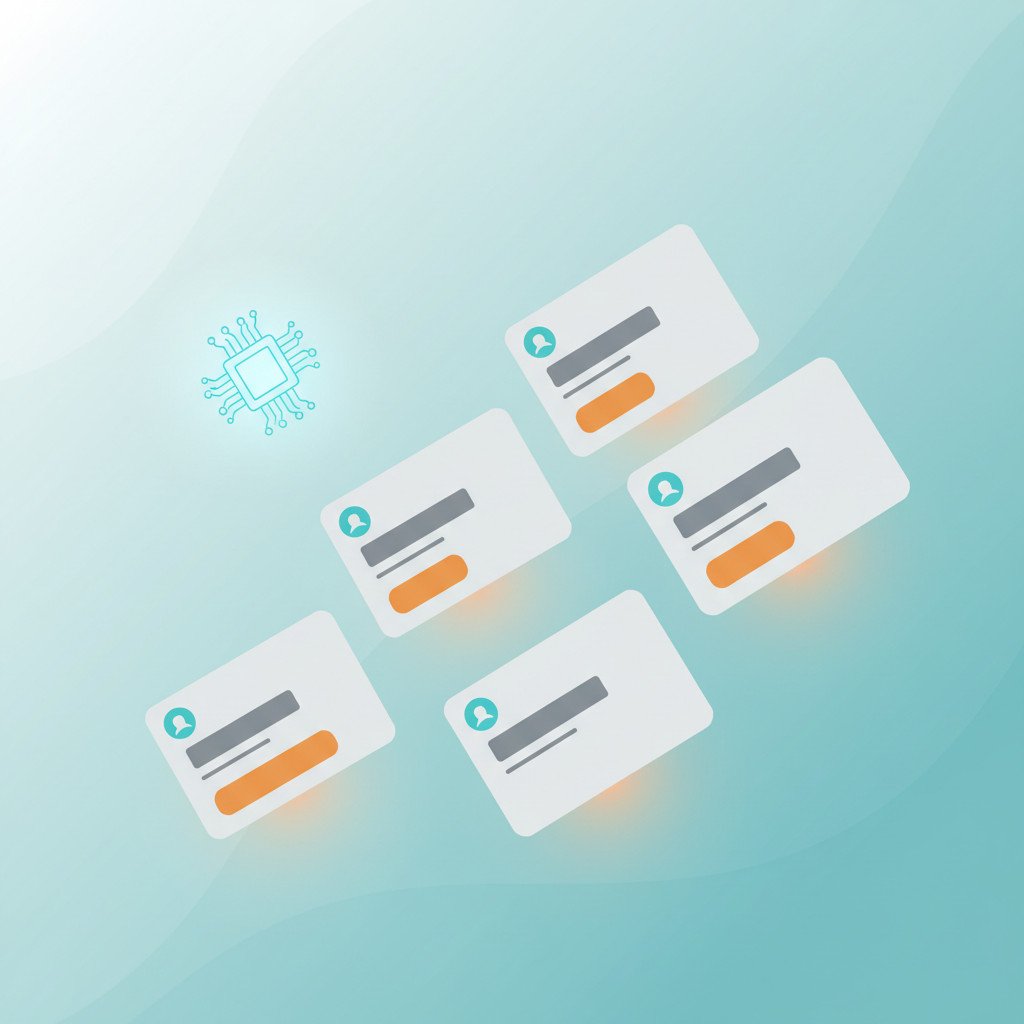
OpenAI app suggestions that look like ads are short, clickable prompts the model can show inside chats. They present app names, a one line summary, and action buttons. Because they match common ad formats, users often perceive them as promotions.
How the suggestions function
- The model ranks relevant apps and then displays a compact card. Therefore the suggestion appears direct and helpful.
- There is no financial transaction behind many tests, however they resemble commercial listings.
- OpenAI has paused some of these suggestions as it improves precision, and this change was reported by outlets like TechCrunch.
Why they feel like ads
- Visual cues trigger ad recognition because users see logos and buttons. As a result, the brain categorizes these items as marketing.
- Language is concise and benefit driven, which mimics ad copy. Therefore the tone feels promotional even when it is not paid content.
- Positioning matters. When suggestions interrupt a workflow, they register as intrusive.
UX and psychological drivers
- Cognitive ease makes short, clickable offers attractive. Also the design exploits familiar web patterns.
- Trust erodes quickly when users suspect hidden motives. As a result, transparency becomes essential.
- For additional context on AI in productivity and agentic systems, see this overview: AI in Productivity.
Finally, product teams must balance discovery with clarity. For a technical view on testing and agentic behaviors see: Agentic Testing and for leadership implications read: Human-Centric AI Leadership.
| App Name | Type of Suggestion | Ad-like Features | User Benefits | Unique Selling Point |
|---|---|---|---|---|
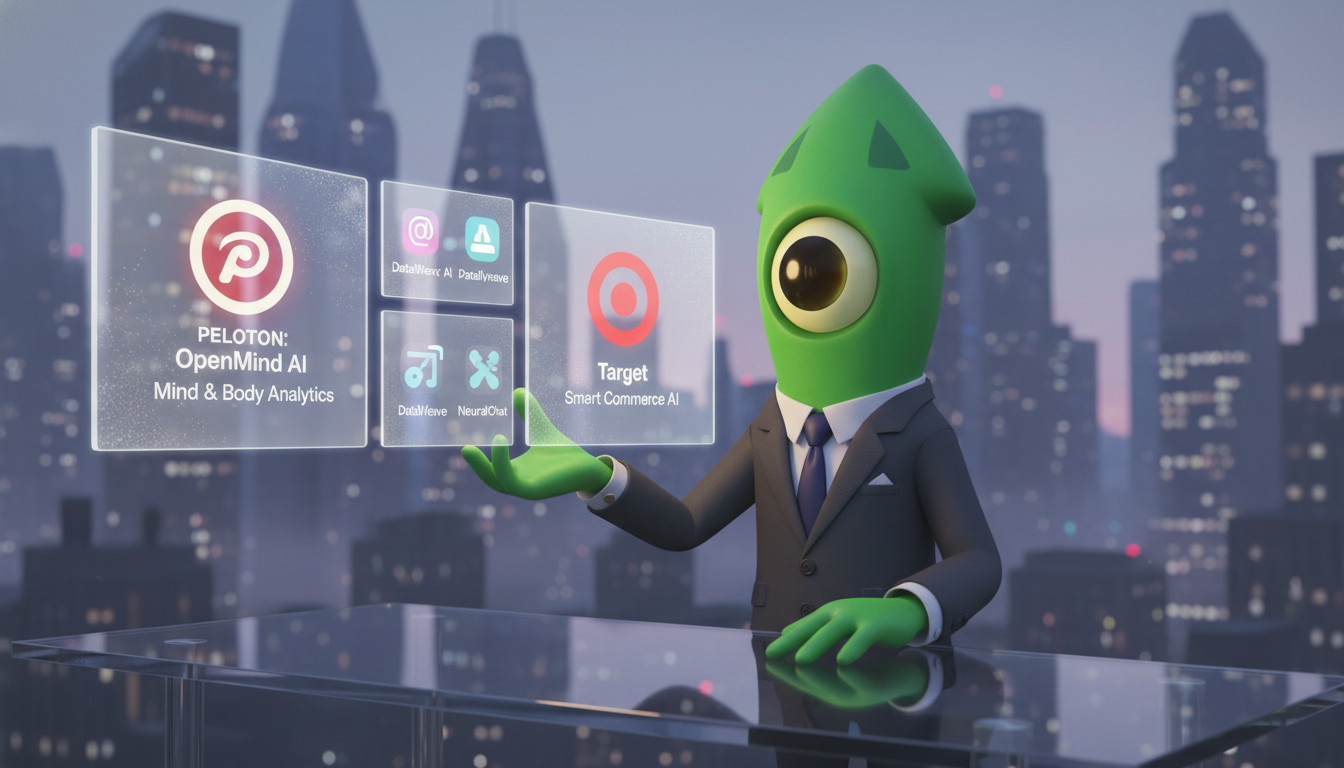
| Peloton (reported case) | Branded suggestion inside chat | Brand logo, short benefit copy, single CTA | Fast access to class summaries and suggested workouts | Recognizable fitness brand signals immediate relevance |
| Target (reported case) | Product recommendation card | Product thumbnails, promotional tone, buy-style CTA | Quick product discovery and shopping ideas | Familiar retail brand that drives trust and interest |
| Third-party Productivity App | App platform card | Compact card, concise value statement, action button | Automates tasks and boosts productivity inside chat | Deep integration with ChatGPT context and prompts |
| Security Utility (example) | Utility suggestion or tip card | Technical badge and action button that looks like a prompt | Fast guidance on security steps and settings | Practical, actionable security recommendations |
| Shopping Assistant / Deals Aggregator | Contextual suggestion | Deal-style language and urgency cues | Finds deals and compares prices quickly | Curates offers to save user time and money |
The payoff: real user benefits of OpenAI app suggestions that look like ads
When designed well, app suggestions deliver quick wins for users. They increase engagement because they surface relevant tools at the moment users need them. For example, a productivity card can suggest an automation that saves repetitive time, and users benefit immediately.
Key benefits
- Faster task completion. By exposing app functions inline, users finish jobs without switching apps.
- Better discovery. Users find niche tools they would not search for otherwise.
- Time and cost savings. Automations and curated deals reduce manual effort and can lower expenses.
- Improved personalization. Suggestions can adapt to context, therefore recommendations feel more useful.
- Higher engagement and retention. Well-timed suggestions boost interaction because they reduce friction.
Beyond convenience, suggestions can increase confidence. When an app card shows a clear use case, users understand value quickly. However, trust depends on transparency and control. Users must be able to dismiss or turn off suggestions. As a result, product teams should pair discovery with clear labeling and easy settings.
In short, the payoff includes efficiency, discovery, and potential revenue uplift for developers. Yet these benefits arrive only if platforms respect user trust and choice. Clear controls make them sustainable.
Conclusion
OpenAI app suggestions that look like ads can help users discover useful tools quickly. However, they blur the line between helpful prompts and promotional content. OpenAI paused some suggestion features to improve precision. Therefore transparency and easy controls are essential for trust. When implemented carefully, suggestions boost efficiency, discovery, and engagement.
EMP0 (Employee Number Zero, LLC) designs AI and automation solutions for sales and marketing automation. Their tools and AI expertise help businesses test, integrate, and measure in-chat suggestions while protecting user trust. For practical resources and case studies visit EMP0 Official Site and our blog at EMP0 Blog.
Frequently Asked Questions (FAQs)
What are OpenAI app suggestions that look like ads?
OpenAI app suggestions that look like ads are model-generated cards inside ChatGPT. They show app names, short benefit copy, and action buttons. Because they mirror ad formats, users often read them as promotions. They aim to speed discovery without financial ties, although perception makes clarity essential.
Are these suggestions actual advertisements?
No. There are currently no live advertising tests in ChatGPT. OpenAI tested app-display formats with no paid component. They paused these suggestions to improve precision. Therefore screenshots claiming ad tests may be inaccurate or misleading. OpenAI plans better controls so users can disable suggestions.
Why do suggestions feel promotional?
They feel like ads because of visual and language signals. Logos, compact cards, and benefit-driven copy trigger ad recognition. Also placement and CTA buttons increase perceived promotional intent. In short, familiar ad patterns and interruptive timing shape user interpretation rapidly.
How can users control or remove these suggestions?
Users can dismiss suggestions and expect settings soon. OpenAI has turned off some features while refining the model. Product teams are also working on toggles to dial suggestions down or off. As a result, users should gain clearer controls to protect experience and trust.
How should businesses use suggestion cards responsibly?
Businesses should focus on transparency and relevance when using suggestion cards. Label content clearly, avoid misleading language, and test for timing and frequency. Also measure user trust and engagement. In doing so, companies can harness discovery benefits while preventing backlash and preserving long-term retention.