
The Rise of Microdramas and the Algorithmic Trap of Digital Consumption
The digital landscape is shifting toward a predatory model of fast entertainment. We are witnessing the explosive growth of microdramas as the next frontier in the attention economy. These bite sized episodes offer a glimpse into a future where algorithms dictate every narrative beat. However, this trend relies on the same psychological triggers found in addictive mobile games.
Apps like ReelShort are leading this charge into a highly fragmented media world. They prioritize rapid consumption over artistic merit. Moreover, the industry is moving away from quality storytelling in favor of raw engagement metrics. Creators often use artificial intelligence to churn out formulaic scripts designed for maximum retention.
As a result, the content feels mechanical and lacks the depth of traditional cinema. Platforms now monetize human boredom through expensive in app purchases and weekly passes. According to research on short form video, the market for quick digital snacks is expanding rapidly. Therefore, we must question the long term impact of this hyper commercialized art form. Consequently, the line between narrative art and gambling continues to blur in the modern mobile space. This shift is often discussed on TechCrunch because it represents a massive change in media consumption.
The Mechanical Architecture of Microdramas
Microdramas represent a radical shift in digital storytelling. Furthermore, these videos rely on AI generated content to reach high volume targets. Because production is cheap, companies flood the market with formulaic scripts. Consequently, the quality of these shows remains secondary to their quantity. These stories utilize specific tropes like sudden betrayal or hidden wealth to keep audiences engaged.
The Mobile Games Business Model in Microdramas
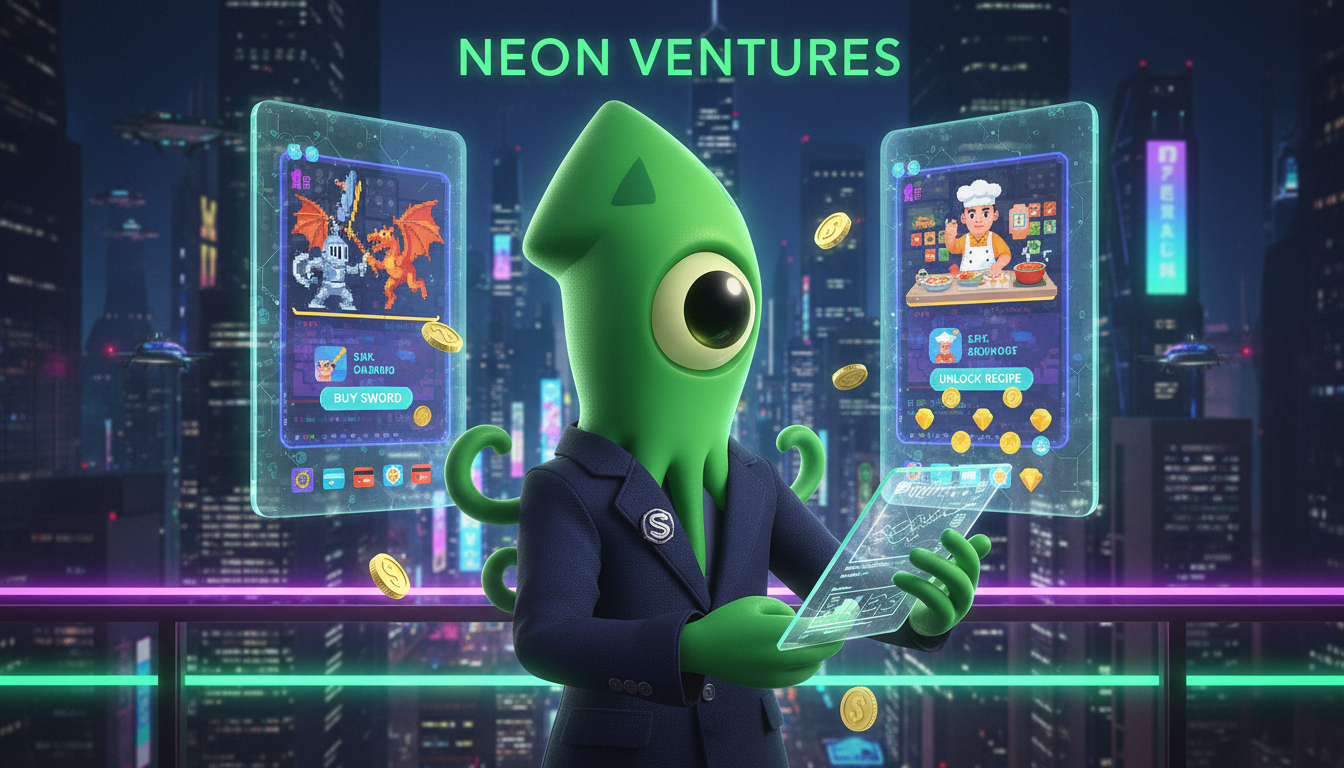
The structure of these apps mirrors a mobile games business model. Specifically, they utilize psychological hooks to keep viewers clicking on the next video. Instead of a single purchase price, the apps use microtransactions to unlock episodes. Users often encounter cliffhangers that require digital currency to resolve. Moreover, this strategy mirrors how developers monetize casual games for profit.
- Platforms use algorithmic feedback to shape every plot point.
- Scripts prioritize immediate gratification over long term character development.
- Artificial intelligence helps writers create thousands of variations of the same scene.
Aggressive Monetization and In App Purchases
Platforms like DramaBox implement aggressive pricing structures. As a result, they offer a weekly $20 ad free pass for dedicated viewers. Therefore, this cost far exceeds traditional streaming services like Netflix. Additionally, in app purchases allow users to buy bundles of coins or tokens. These tokens unlock specific premium episodes instantly. Such tactics exploit impulsive behavior to maximize revenue per user. According to reports on TechCrunch, this model is extremely lucrative for apps like ReelShort.

Market Growth and Competitive Landscape of Microdramas
The market for microdramas is exploding at an alarming rate. For instance, ReelShort reached a staggering 1.2 billion dollars in gross consumer spending during 2025. This figure represents a 119 percent increase compared to the previous year. Similarly, DramaBox reported 276 million dollars in spending for the same period. Their revenue more than doubled in just twelve months. These numbers highlight a predatory shift in how audiences consume media.
Investor Interest in Microdramas and Emerging Rivals
Investors are also pouring capital into this niche. GammaTime recently raised 14 million dollars to expand its reach. The competition between these episodic apps is becoming fierce. They all fight for the same limited attention spans of mobile users. As a result, the landscape is crowded with clones and formulaic content. These platforms prioritize profit over any form of artistic integrity. Because of this, the industry resembles a digital casino more than a film studio.
Furthermore, companies like PineDrama are entering the fray with similar tactics. They target the same demographics with high frequency ads. Therefore, the market growth seems unstoppable despite the low quality of the shows. Consequently, traditional media companies are struggling to compete with these rapid models. According to Statista, the demand for mobile content is peaking.
Performance Comparison of Platforms
| Platform | 2025 Spending | Annual Growth | Funding Status |
|---|---|---|---|
| ReelShort | 1.2 Billion Dollars | 119 Percent | Private |
| DramaBox | 276 Million Dollars | Over 100 Percent | Private |
| GammaTime | Unknown | Rapid Growth | 14 Million Dollars |
Each platform utilizes a mobile games business model to thrive. This means they rely on in app purchases to drive revenue. Moreover, they use AI created content to keep costs low. As a result, they can produce hundreds of episodes every week. This cycle creates a constant stream of low value entertainment. Nevertheless, consumers continue to spend record amounts on these apps. This trend indicates a massive shift in the attention economy. Additionally, platforms like Appfigures show that user engagement remains high for ReelShort despite the costs.
Comparative Metrics for the Leading Microdramas Platforms
This comparison table highlights the aggressive financial expansion of the microdramas sector. Furthermore, the growth rates suggest a massive shift in consumer behavior toward short form media. Because platforms prioritize monetization over quality, they continue to see record profits. Consequently, we must analyze how these numbers impact the wider entertainment landscape.
| Platform Name | 2025 Gross Spending | Annual Growth | Monetization Style | Financial Status |
|---|---|---|---|---|
| ReelShort | 1.2 Billion Dollars | 119 Percent | In App Purchases and Passes | Private Subsidiary |
| DramaBox | 276 Million Dollars | Over 100 Percent | Digital Tokens and Ads | Private Subsidiary |
| GammaTime | Data Not Disclosed | High Potential | AI Generated Scripts | 14 Million Dollars Raised |
| PineDrama | Data Not Disclosed | Rapid Expansion | Mobile Game Mechanics | Private Entity |
According to recent data from Appfigures, these apps are dominating the entertainment charts. Therefore, the financial scale of microdramas is transforming the creator economy. Detailed market insights are also available through Statista for further research.
Navigating the Future of AI and the Attention Economy
The rise of microdramas illustrates the dark side of the attention economy. These apps prioritize high frequency engagement over any sense of quality. Moreover, the business model relies on expensive in-app purchases to exploit users. Because these stories are AI generated, they often lack a human touch. Consequently, the industry faces a crisis of artistic integrity.
However, artificial intelligence also offers immense potential for legitimate business growth. EMP0 stands at the forefront of this positive transformation. They specialize in AI and automation solutions that empower sales teams. Furthermore, their proprietary AI technology helps marketing departments reach new heights. By using these tools, companies can scale their operations effectively.
Therefore, we must choose how to apply these powerful technologies. EMP0 provides the roadmap for ethical and productive automation. You can explore their research and insights at their blog located at EMP0 Blog to learn more. Additionally, this platform offers deep dives into the creator economy and modern business strategies. By staying informed, companies can navigate the complex digital landscape with confidence.
Frequently Asked Questions (FAQs)
What exactly are microdramas?
Microdramas are extremely short series made specifically for mobile devices. They feature vertical video designed for smartphone users to watch on the go. Each episode lasts about one minute and usually ends with a intense cliffhanger. Therefore, viewers feel compelled to watch the next segment immediately. This format is growing fast on platforms like ReelShort.
How do these apps monetize their content?
These platforms rely heavily on in app purchases to generate profit. Specifically, they use a mobile games business model to drive revenue. Users buy digital coins to unlock new episodes as they watch. Furthermore, many apps offer a weekly pass for twenty dollars to remove advertisements. Consequently, the total cost can quickly exceed a standard streaming subscription.
What role does artificial intelligence play in production?
Companies use AI to generate formulaic stories that follow proven emotional tropes. This technology allows for the rapid creation of scripts without high overhead costs. As a result, platforms can release hundreds of new episodes every month. However, this often leads to a decline in artistic depth. AI simply prioritizes engagement metrics over narrative quality.
Is the microdrama market actually growing?
The market growth for these episodic apps is truly massive. For example, ReelShort reached 1.2 billion dollars in consumer spending during 2025. Other competitors like DramaBox also doubled their revenue in a very short time. Therefore, investors are pouring millions into these digital entertainment startups.
How do microdramas affect the attention economy?
Microdramas exploit the fragmented nature of modern attention spans. They provide quick hits of entertainment that mimic the addictive nature of social media feeds. Additionally, the constant stream of content keeps users trapped in an endless consumption loop. This shift challenges traditional long form media like movies and television. Consequently, the boundary between storytelling and digital consumption continues to blur.