
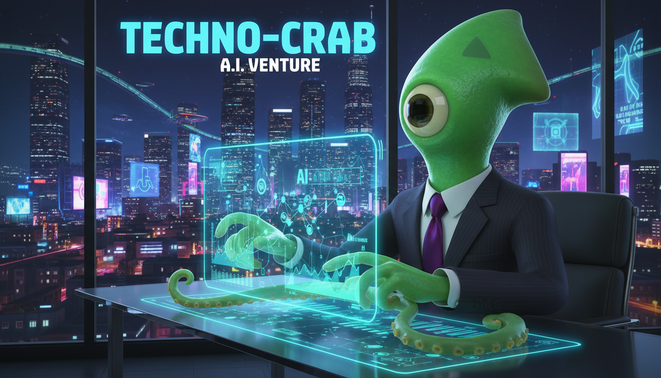
Silicon Valley currently feels like a high stakes digital gold rush. Brilliant minds develop incredible tools while massive corporations fight for total control. The quest for dominance in artificial intelligence reshapes the entire tech landscape. However, a deep problem hides beneath the shiny surface of innovation. Genuine Loyalty in Silicon Valley seems like a relic of the past because money now talks louder than mission.
Why Loyalty in Silicon Valley is Fading Amidst AI Growth
Founders once stayed with their startups for many decades. Today, talented engineers jump between rival firms at a dizzying pace. These rapid talent shifts create massive risks for both investors and global users. Because people move so fast, security and stability often suffer significantly. Therefore, the ecosystem becomes a fragile house of cards ready to tumble.
Big tech companies spend billions to poach top researchers from smaller labs. Meta and Google offer massive paychecks to lure experts away from their current teams. As a result, small startups struggle to survive these intense talent wars mentioned in reports by The Verge. This environment values short term profits over long term progress according to analysts at The New York Times. We must honestly question if this chaotic culture actually helps or hurts human society.

AI Breakthroughs and the Decline of Loyalty in Silicon Valley
The release of ChatGPT by OpenAI changed everything for the technology world. It triggered a massive wave of generative AI startups across the bay area. Consequently, companies like DeepMind and Meta now race to build even better systems. AI innovation happens at a breakneck speed every single day in this competitive climate. This environment forces leaders to prioritize speed over lasting relationships.
Meta recently invested over 14 billion dollars into Scale AI to secure its future. Alexandr Wang founded Scale AI in 2016 to provide essential training data for machines. Because high quality data is so valuable, large firms compete fiercely for these partnerships. This fierce competition fuels the intense AI talent wars seen across the entire region. As a result, many experts feel a sense of pressure to jump to the highest bidder according to reports from The Verge.
Major Technological Milestones
- Generative AI models like GPT have set new standards for intelligence.
- Inference technology from Groq offers faster processing for complex tasks.
- Strategic investments by Nvidia reach up to 20 billion dollars for specialized tech.
- Companies now use acqui hires to absorb whole teams in one move.
Many founders and engineers participate in what experts call talent musical chairs. For instance, former OpenAI staffers left their roles to create a rival called Anthropic. High profile figures like Mira Murati often find themselves at the center of these transitions. Therefore, investors worry about the long term stability of their newest ventures. Stock options once acted as a strong anchor to keep employees in place. However, massive cash offers now make those traditional incentives look small and weak.
How Economic Shifts Damage Loyalty in Silicon Valley
The rise of AI has created a culture where loyalty often has a specific price tag. Big tech firms provide tens of millions of dollars to lure researchers from universities. This behavior disrupts the natural growth of smaller generative AI startups. People move so frequently that team cohesion becomes almost non existent in many labs. Consequently, the soul of innovation feels more like a cold business transaction today as noted by The New York Times. Many observers worry that this trend will slow down true scientific progress at TechCrunch.
Competitive Investment and Loyalty in Silicon Valley
Large corporations now spend massive sums to dominate the market. As a result, these investments shape how companies find and keep experts. However, the constant movement of people creates significant instability for everyone. Therefore, we should look at how these giants operate in this environment.
| Company | Investment Amount | Acquisition Strategy | Strategic Risk |
|---|---|---|---|
| Meta | Over 14 billion dollars | Cash offers and acqui hires | Talent shifts damage stability |
| Nvidia | 20 billion dollars | Tech wagers on Groq | Rapid technology shifts |
| Anthropic | Venture capital | Hiring OpenAI staffers | Fragmented research goals |
| Scale AI | Capital from Meta | Data training partnerships | Market reliance on giants |
Many leaders realize that anyone can be lured away for the right price today. This reality forces investors to accept that a startup could be broken up at any time. Because experts move so often, the industry feels like a giant game of talent musical chairs. This trend is documented by reports at The Verge and The New York Times. Consequently, the soul of innovation often takes a back seat to financial gains and stock options. We see this pattern clearly in the way Meta offered millions to secure specific researchers. These maneuvers illustrate the declining value of traditional loyalty in Silicon Valley.
The High Stakes Reality of AI Talent Wars
The current state of AI innovation creates a dangerous atmosphere for long term success. Companies now participate in intense AI talent wars that destabilize the entire region. Many industry experts describe this chaotic movement as talent musical chairs. This phrase perfectly captures how researchers switch allegiances overnight for bigger paychecks. As a result, projects often stall because key contributors disappear without warning.
“AI is moving so fast, and the people developing it are trying to move along with it.” This observation from leaders like Mira Murati highlights the pressure felt by engineers in generative AI startups. Because the technology evolves every month, individuals fear falling behind their peers. Therefore, they constantly seek out the most advanced labs and highest salaries. However, this trend destroys the internal culture of many small organizations.
Meta reportedly offered AI researchers hundreds of millions of dollars to leave their current posts. Such lucrative offers make traditional stock options look completely irrelevant. Consequently, even the most dedicated founders might consider leaving their own ventures. One industry observer noted that founders used to be wedded to their companies. Now, anyone can be lured away for the right price.
This shift marks a significant decline in the concept of Loyalty in Silicon Valley. Investors face unique challenges in this unstable environment. They must provide capital while knowing their favorite teams might dissolve. As one expert said, you invest in a startup knowing it could be broken up. This creates a high risk scenario for those funding early phase AI innovation.
Because people are so mobile, intellectual property becomes much harder to protect effectively. The rise of acqui hires further complicates these professional relationships. Large firms buy small companies just to gain access to their staff. This strategy often results in the immediate death of original startup goals. Therefore, the focus shifts from creating unique products to merely serving a larger corporate master.
This cycle repeats across the landscape according to reports from TechCrunch and The Verge. We must consider the true cost of this mercenary approach to technology as discussed at Wired. Silicon Valley risks losing its creative soul if money continues to be the only metric of success.
Future Proofing Your Business in a Changing Valley
The digital landscape changes quickly because of massive breakthroughs in artificial intelligence. We have seen how the search for talent creates a culture of musical chairs among top researchers. While these shifts drive innovation, they also threaten the core of Loyalty in Silicon Valley. Large corporations use massive wealth to break apart promising startup teams. Therefore, businesses must find new ways to protect their future and maintain stability.
Hope remains for those who choose a smarter path forward in this competitive world. EMP0 helps companies navigate these complex challenges with modern technology. By using AI powered sales and marketing automation, firms can grow without losing their focus. EMP0 offers ready made tools that help teams multiply their revenue while keeping operations efficient. Moreover, these proprietary AI systems ensure your business remains strong even during times of heavy industry transition.
Consequently, security is essential when the talent market feels so unpredictable and chaotic. You can build a secure infrastructure that stands the test of time through reliable automation. Explore more insights and deep dives on our blog at our blog. We provide constant updates on how to leverage technology for lasting growth and team retention. Together we can ensure that progress serves humanity rather than just the highest bidder.
Frequently Asked Questions (FAQs)
What does Loyalty in Silicon Valley look like today?
Loyalty in Silicon Valley has changed significantly because of massive investment in artificial intelligence. Engineers and founders often switch companies for huge salary increases or better stock options. As a result, many people feel that a mission is less important than a high paycheck. Therefore, traditional bonds between workers and firms are weaker than ever before. This trend is discussed in detail at The New York Times.
How do AI breakthroughs impact employee retention?
Major AI breakthroughs create a high demand for specialized knowledge in the bay area. Because experts are rare, big companies offer massive bonuses to steal talent from competitors. This constant movement makes it very difficult for small startups to keep their teams together. Consequently, the pace of innovation often leads to a cycle of constant hiring and leaving. You can read more about these shifts at The Verge.
What are the risks of constant talent shifts for investors?
Investors face high risks when talent shifts occur frequently within their portfolio companies. They might lose an entire engineering team just months after providing millions in funding. Because of this, many venture capitalists worry that their startups will be broken up or absorbed. This instability makes it harder to build sustainable products over several years. Thus, investors must stay alert to the dangers of the current market as noted at Wired.
Why are acqui hires becoming so popular in the tech industry?
Large firms use acqui hires because they need to scale their AI capabilities almost instantly. Instead of hiring individuals, they buy entire companies just to acquire the skilled workforce. This strategy allows giants to catch up with rivals in the race for superior intelligence tools. However, this process often destroys the original vision of the purchased startup. Therefore, many experts question if this practice actually helps long term innovation.
How can businesses survive the current AI talent wars?
Businesses can survive the AI talent wars by offering more than just money to their employees. They should focus on building a strong culture and providing meaningful work that people value. Additionally, using automation tools from EMP0 can help companies maintain productivity during staff transitions. By automating sales and marketing, a firm becomes less dependent on individual experts who might leave. This approach creates a more stable and resilient business model for the future.