

The Impact of Fossil Fuels on Our Environment
Fossil fuels drive modern life and power our cities, industries, and transport. Yet their environmental cost has made them a global flashpoint in climate talks. Because burning coal, oil, and gas releases greenhouse gases and worsens air pollution. This tension frames debates from local policy to UN climate negotiations.
As a result, communities face health harms while ecosystems suffer from warming. At the same time, economies still depend on fossil fuels for reliable energy. Therefore the shift to renewables raises questions about jobs, costs, and grid stability. However, innovation and policy can steer an equitable energy transition.
In this article we examine carbon emissions, environmental impacts, and policy choices. We also explore technological fixes, climate policy, and paths to cleaner energy. By showing clear facts and practical solutions, readers can weigh tradeoffs and options. Read on to understand why fossil fuels remain crucial yet controversial worldwide. Stay with us for evidence and practicable solutions.
How Fossil Fuels Drive Carbon Emissions and the Environmental Impact
Burning fossil fuels releases carbon dioxide and other greenhouse gases. Because these emissions trap heat, they accelerate global warming. As a result, ecosystems shift and extreme weather grows more common. Further, air pollution from combustion harms public health.
Fossil Fuels as Energy Sources: Reliability, Costs, and Hidden Consequences
Fossil fuels power grids and transport worldwide because they offer dense, dispatchable energy. However, their economics hide environmental and health costs. Therefore policymakers face tradeoffs between energy security and emissions reduction. Communities and industries must weigh short term benefits against long term harms.
Alternatives to Fossil Fuels: Cleaner Energy Sources and Emissions Reduction
Renewables and low carbon technologies offer paths to cut carbon emissions. For example, wind, solar, and storage reduce pollution while creating jobs. Yet the transition needs investment, smart grids, and fair policy to succeed. Consequently, a balanced plan can lower emissions and protect communities.
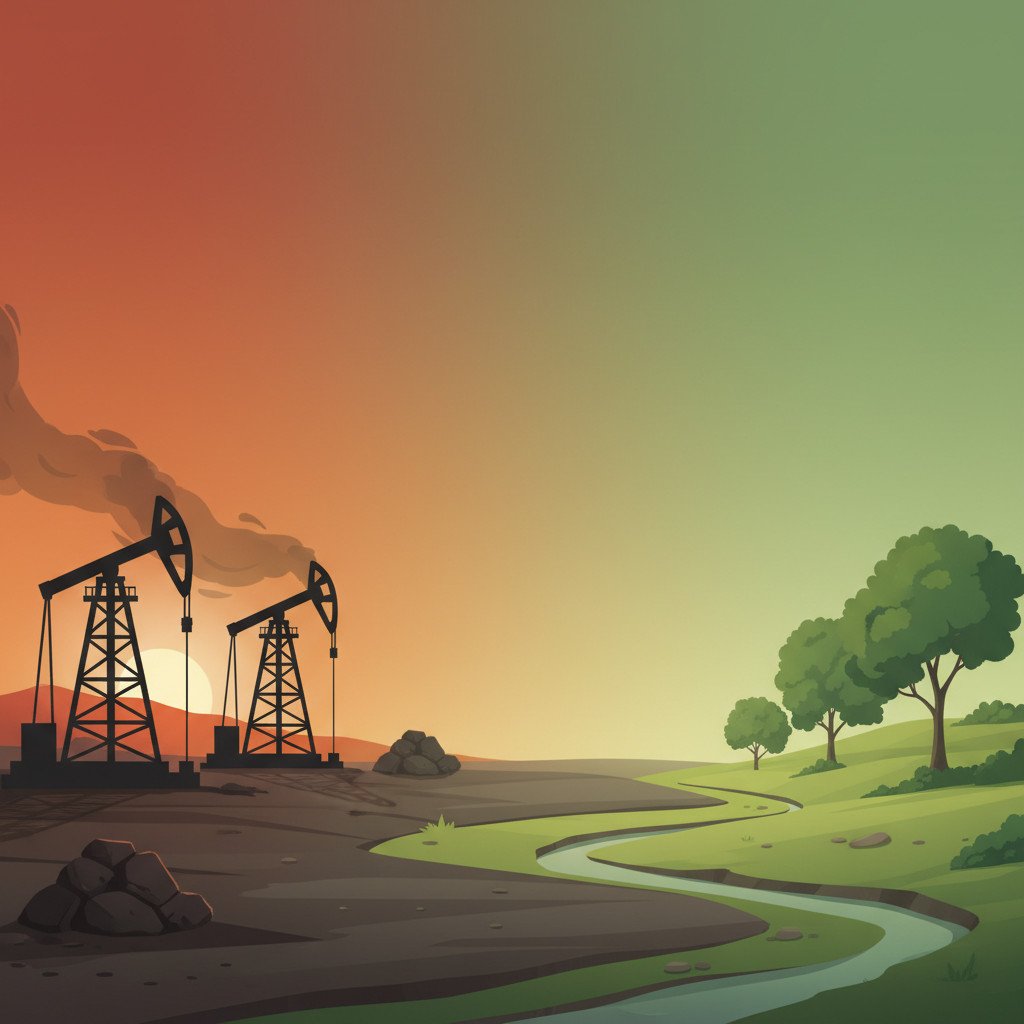
Fossil Fuels and Carbon Emissions: The Evidence
Burning fossil fuels is the dominant source of energy related carbon emissions worldwide. The International Energy Agency reports that global energy related carbon dioxide emissions reached roughly 36 billion tonnes in 2022, driven largely by coal, oil, and natural gas (source). As a result, fossil fuels remain the primary human cause of the greenhouse gases that warm the planet.
Key statistics and facts
- Global energy related CO2 emissions were about 36 billion tonnes in 2022 according to the IEA source.
- Coal is the single largest source of energy related CO2 emissions because of its high carbon intensity.
- Methane, emitted across the fossil fuel lifecycle, is a potent greenhouse gas. Over a 20 year period methane is more than 80 times more powerful at trapping heat than carbon dioxide, so leakage matters a great deal.
Environmental impacts beyond carbon
- Air pollution and public health
- Combustion releases particulate matter, sulfur dioxide, and nitrogen oxides. These pollutants cause respiratory and cardiovascular disease. Consequently, communities near plants and refineries face higher health risks.
- Habitat damage and biodiversity loss
- Extraction and transport fragment ecosystems and pollute soils and waters. As a result, local species decline and communities lose ecosystem services.
- Ocean warming and acidification
- Increased CO2 changes ocean chemistry and temperature. Consequently, coral reefs and fisheries suffer, which harms food security.
Lifecycle emissions and leakage
Fossil fuels create emissions at every stage. First, drilling and mining disturb landscapes. Next, processing and refining add emissions. Finally, burning fuel emits CO2. Moreover, methane leaks during extraction and transport can erode climate benefits claimed for gas. Therefore, policies must address lifecycle emissions, not only combustion.
Energy systems, reliability, and transition tradeoffs
Fossil fuels provide dense and dispatchable energy. For that reason, many grids still rely on them for baseload power. However, rising electricity demand from new loads complicates planning. For example, increased AI and data center demand influences energy supply strategies; see reporting on AI energy demand and grid impacts here. At the same time, smart grid technologies and AI can help integrate renewables; learn more at here.
Alternatives and mitigation pathways
- Renewable energy and storage
- Wind and solar reduce direct combustion emissions. Paired battery and long duration storage improve reliability.
- Carbon capture and low emission fuels
- Carbon capture can lower emissions from remaining fossil fuel use, although costs remain high.
- Policy and technology together
- The IPCC underscores the need for rapid emissions reductions and clean energy deployment to limit warming; see source. Consequently, policy choices must align with technology and social equity.
Policy makers must weigh energy security, costs, and environmental impact. As a result, clear data and lifecycle accounting lead to better decisions about fossil fuels and cleaner energy sources.
| Energy source | Cost | Environmental impact | Availability | Carbon emissions |
|---|---|---|---|---|
| Fossil fuels | Often low to moderate cost; price volatility across markets | High impact: air pollution, land disruption, water contamination | High availability globally; dispatchable for baseload and peak demand | Very high CO2 at combustion; methane leakage across the lifecycle raises warming |
| Wind | Low to falling costs; competitive in many markets | Low emissions; local land use and wildlife collision concerns | Intermittent; best in windy regions; requires storage or backup for reliability | Very low lifecycle CO2; near zero during operation |
| Solar | Rapidly declining costs; scalable from rooftops to large farms | Low emissions; manufacturing and land use impacts; recycling challenges | Widely available in sunny regions; intermittent without storage | Very low lifecycle CO2; near zero during operation |
| Hydroelectric | Moderate to low long term costs; high upfront capital and permitting needs | Low emissions in operation; can flood habitats and alter river ecosystems | Site dependent; very reliable where large rivers and elevation changes exist | Low lifecycle CO2; reservoirs can emit methane in tropical regions |
Note: This table highlights relative tradeoffs across energy sources. Consider lifecycle emissions, local impacts, and system needs when evaluating fossil fuels and cleaner energy sources for policy and planning.
Conclusion
Fossil fuels remain central to modern energy, yet their environmental impact is clear. Burning coal, oil, and gas drives carbon emissions and worsens air pollution. As a result, ecosystems and human health suffer. Therefore policymakers and businesses must weigh energy security against long term climate risks.
EMP0 stands ready to help organizations innovate sustainably. For example, EMP0 builds AI powered growth systems that run on the client’s infrastructure and protect sensitive data. Visit EMP0 to learn how automation and responsible AI can reduce operational waste and support cleaner energy strategies. Because technology can improve efficiency, it also lowers emissions while multiplying revenue.
Acting now matters. By combining sound policy, clean energy alternatives, and secure AI solutions, communities can reduce carbon emissions and protect livelihoods. Consequently, readers should feel hopeful and empowered to demand change. Start small, scale wisely, and use technology to speed a fair energy transition.
Frequently Asked Questions (FAQs)
What are fossil fuels and why do they matter for the climate?
Fossil fuels include coal, oil, and natural gas formed from ancient organic matter. Because burning them releases carbon dioxide, they drive most human caused greenhouse gas emissions. As a result, fossil fuels shape global warming and climate risks.
How do fossil fuels affect air quality and public health?
Combustion emits particulate matter, nitrogen oxides, and sulfur dioxide. Consequently, these pollutants increase respiratory and cardiovascular illness. Therefore communities near power plants and refineries face higher health burdens.
Are there practical alternatives to fossil fuels that lower carbon emissions?
Yes. Wind, solar, and hydroelectric power cut direct combustion emissions. However, they need storage and grid upgrades for reliability. For more on integrating clean energy with modern grids, see this article.
Can technology and policy reduce the environmental impact of fossil fuels?
Technology including AI and smart grids improves efficiency and embeds renewables. Moreover, policy tools like carbon pricing and lifecycle accounting reduce incentives to pollute. Consequently, combined tech and policy can speed a fair energy transition.
What practical steps can individuals and businesses take now?
Reduce energy waste, invest in efficiency, and support renewables. For businesses, deploy secure AI systems to optimize operations and cut emissions. Therefore small actions scale into meaningful change.