
The Evolution of Browser Updates: The Chrome Two Week Release Cadence
Google is fundamentally changing how users receive browser updates starting in late 2026. The shift to a Chrome two week release cadence signifies a major acceleration in web technology deployment. This new schedule officially begins in September 2026 with version 153. It effectively cuts the previous four week cycle in half for desktop and mobile users. As a result, the browser will deliver improvements in stability and speed much faster than before.
This change impacts millions of individual users and large corporate environments alike. While regular consumers benefit from rapid feature rollouts, enterprise administrators face new management challenges. However, the Extended Stable release will remain on an eight week cycle to help businesses maintain control. This decision ensures that critical infrastructure stays reliable during the transition. Therefore, professionals can still manage updates without overwhelming their internal systems.
Google maintains that this move does not directly stem from artificial intelligence developments. Nevertheless, the rise of AI powered browsers like ChatGPT Atlas and Perplexity Comet creates significant market pressure. These new tools offer conversational interfaces that traditional browsers currently lack. Consequently, Google must iterate faster to compete with these emerging search alternatives. The integration of Gemini into the Chrome ecosystem highlights this ongoing struggle for dominance. This faster update cycle serves as a strategic response to a highly competitive digital landscape.
Strategic Details of the Chrome Two Week Release Cadence
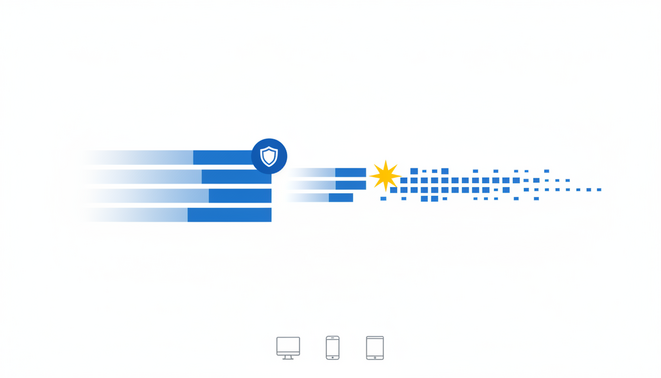
The official transition to the Chrome two week release cadence represents a major shift in Google software distribution strategy. This change aims to deliver faster updates to millions of users across the globe. Under the new system, the engineering team will ship a new milestone every fourteen days. These milestones prioritize critical areas such as browser stability and page loading speed. Additionally, each update will improve the overall ease of use for the general public. This rapid cycle ensures that the latest innovations reach your device as soon as they are ready. Consequently, the gap between development and deployment will shrink considerably.
The first major milestone under this new schedule arrives with version 153 on September 8, 2026. Google will release this version simultaneously across desktop, Android, and iOS platforms. Both beta and stable versions will launch together to ensure a smooth transition. However, enterprise environments often require more time to validate software changes. Therefore, Google will maintain the Extended Stable release cycle for corporate administrators and Chromium developers. This specific release track remains on an eight week cycle to prevent technical disruptions. This approach provides a necessary buffer for those who manage Chromebook fleets or large office networks. As a result, IT professionals can still perform thorough testing before deploying updates to employees. Furthermore, the company previously introduced weekly security patches to maintain high safety standards. This existing security practice works alongside the new cadence to keep the browser secure.
Visit the Chromium Blog for technical details. Check the Google Chrome Blog for the latest news. This balanced strategy allows for both rapid innovation and enterprise reliability.
Comparison of Chrome Release Cycles and Channels
Understanding the various update tracks helps users and professionals plan their software management. This table compares the historical schedule with the upcoming changes and specialized tracks. It highlights the frequency and purpose of each release cycle for different user groups.
| Release Type | Update Frequency | Target Audience | Core Benefit |
|---|---|---|---|
| Previous Milestone Schedule | Every four weeks | General web users | Regular feature updates and bug fixes |
| New Milestone Schedule | Every two week release cadence | Desktop and mobile users | Faster delivery of stability and speed |
| Security Patch Cycle | Every one week | All Chrome users | Rapid response to emerging security threats |
| Extended Stable Cycle | Every eight weeks | Enterprise and Chromebook admins | Longer testing periods for corporate stability |
These distinct paths ensure that Google can balance the need for innovation with the requirement for reliability. While most users will enjoy the faster two week cadence, businesses can remain on the more conservative eight week cycle. This flexibility allows for a tailored approach to browser maintenance across different environments. Thus, everyone receives the necessary updates at a pace that fits their specific needs. Therefore, the browser remains both modern and secure for all types of users.
Competitive Pressures and the AI Evolution
Google currently faces an evolving digital landscape where traditional web browsing meets advanced artificial intelligence. Modern competitors like ChatGPT Atlas and Perplexity Comet now offer tools that change how people find information. These platforms provide direct answers instead of just a list of links. As a result, the Chrome two week release cadence helps Google maintain its dominant market position. While the company claims this change is not AI related, the timing is very significant. This rapid schedule allows developers to push updates that support sophisticated machine learning features.
The integration of Gemini into the Chrome browser highlights this shift in corporate strategy. Gemini provides users with helpful summaries and creative assistance directly within the software. Consequently, Google can better compete against new startups that focus on conversational search engines. Because maintaining a fast release cycle ensures security, these AI integrations remain efficient. Therefore, the browser becomes a more versatile tool for everyday tasks. This approach prevents users from switching to newer AI powered alternatives.
Furthermore, the competitive environment forces Google to prioritize frequent innovation over slower development cycles. The broader browsing ecosystem is moving toward more personalized and interactive experiences. By releasing updates every fourteen days, Google can react to market trends almost immediately. This agility is crucial in an era where AI technology advances every single month. Users now expect their browsers to handle complex queries and automate simple workflows. Thus, the accelerated pace of Chrome updates directly supports these modern user expectations. For more information on official updates, visit the Google technology blog. You can also check the Chrome news section to stay informed. Technical details are available at the Chromium project site.
Conclusion: Navigating the Chrome Two Week Release Cadence
The transition to a Chrome two week release cadence marks a major step for Google. Individual users will receive stability and speed improvements much faster than before. Furthermore, enterprises can continue using the eight week Extended Stable cycle to maintain their internal systems. This balanced approach provides both rapid innovation and necessary corporate stability. Therefore, the browser remains a reliable platform for every type of user.
Specifically, Google is positioning itself to lead in a highly competitive AI market. By increasing the frequency of updates, the company can deploy Gemini features with greater agility. This strategy helps Chrome remain relevant as AI powered competitors change the browsing landscape. Consequently, users will enjoy a more interactive and helpful web experience over time. These strategic decisions ensure that Google stays ahead of emerging technology trends.
Because businesses must adapt to these changes, they often require expert guidance. EMP0 is a US based AI and automation company specializing in sales and marketing solutions. They help organizations implement secure growth systems within their own infrastructure. As a result, companies can use advanced automation to scale their operations safely. This expertise is essential for navigating the modern digital economy.
For more insights on automation and AI strategies, visit the EMP0 blog. You can explore their guides on building efficient and secure business systems. Follow their work to learn more about the future of digital automation. By adopting these new tools today, you prepare your business for a successful future.
Frequently Asked Questions (FAQs)
What exactly is the Chrome two week release cadence?
Google doubles the frequency of major browser updates starting with version 153 in September 2026. This shift ensures that web innovations reach millions of users much faster than the old schedule. Consequently, the browser remains competitive within a rapidly evolving digital environment.
How will this new schedule benefit regular browser users?
Users will notice more frequent improvements to browser speed and general ease of use. Stability fixes will reach devices much sooner than the previous four week cycle permitted. Therefore, consumers can access modern features without enduring long waiting periods.
What impact does this change have on enterprise administrators and Chromebooks?
Enterprise administrators can utilize the eight week Extended Stable release to manage large networks effectively. This specific track provides a predictable environment for testing internal applications before full deployment. Thus, businesses can successfully balance rapid innovation with the necessity for corporate stability.
Is the faster release cycle related to AI browser competition?
While the focus is on stability, the two week release cadence supports the rapid deployment of Gemini AI features. This agile schedule allows Google to compete more effectively against AI driven tools like ChatGPT Atlas. Consequently, the browser remains relevant as conversational search engines continue to gain popularity.
How do weekly security updates work with the two week milestone cycle?
Google will continue to issue weekly security patches alongside the new two week milestone cycle. This combination provides a layered defense that addresses critical vulnerabilities as soon as they emerge. Therefore, personal data stays protected while users enjoy the latest improvements to the platform. Check the Chromium project site for more technical safety data.