
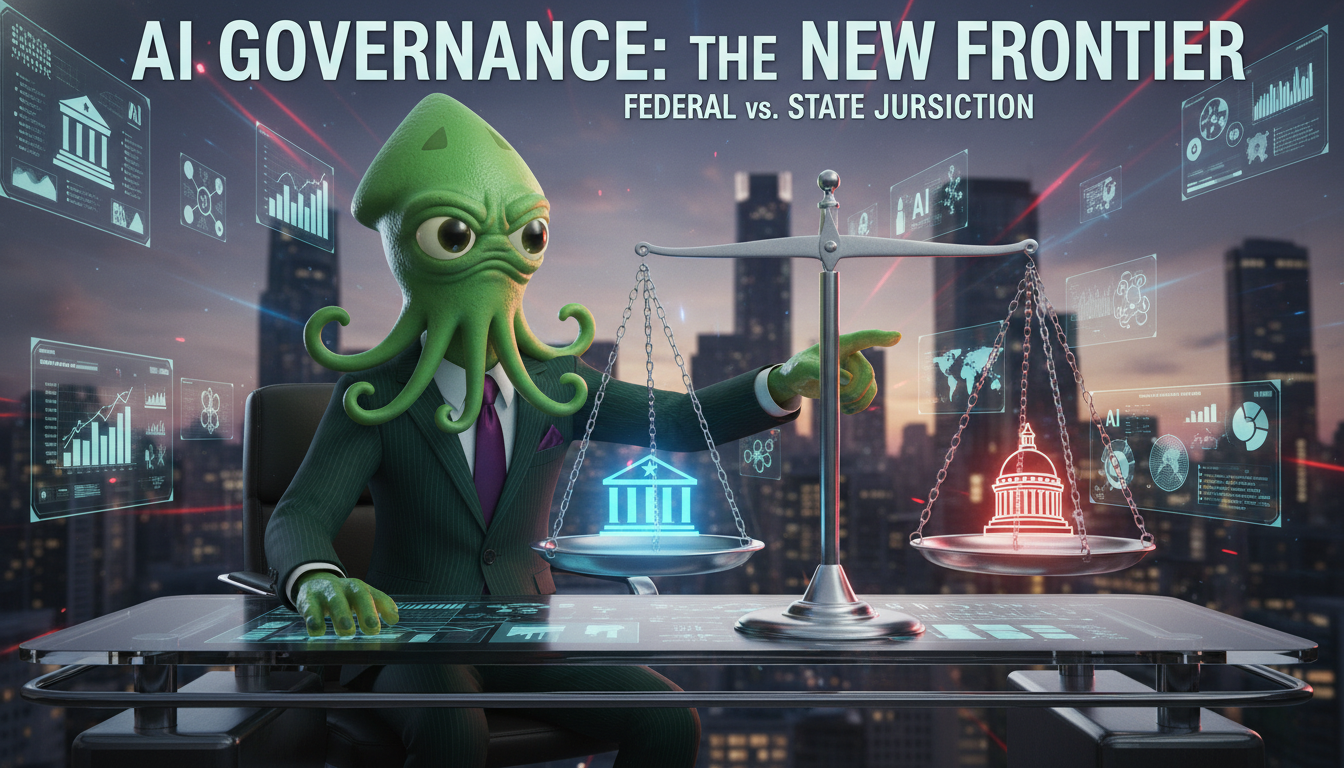
The Battle for AI Control in America
The world of AI is changing fast. Today, AI regulation in the US is a major battle for leaders and tech firms. States are not waiting for the federal government to act. In fact, many states have already passed nearly one hundred laws to control these tools.
New York and California lead the way with new safety rules. They want to keep the public safe from harm. These rules focus on being clear about how AI works. This movement at the state level is growing stronger every month.
However, the federal government is pushing back hard. A new executive order tries to stop these state laws. This move aims to protect national growth and keep our tech edge. It creates a big legal fight between safety and innovation.
The split between states and the national government is growing every day. These legal fights will decide our future for years to come. We must balance safety with the need for rapid innovation. Everyone is watching to see who wins this struggle. The stakes for our economy and our daily lives are massive.

The Complex Surge of AI Regulation in the US
State leaders are moving fast to set rules. Furthermore in 2025 local governments proposed over one thousand bills. These bills aim to manage how tech works in our lives. Nearly forty states passed over one hundred laws last year. Because of this activity AI regulation in the US is becoming very messy. However many people worry about how this affects innovation and safety. This trend shows that local officials want to protect their citizens right away.
President Donald Trump signed a new order to stop these laws. This executive order gives power to the DOJ to sue states. Additionally he wants to keep rules the same across the whole country. As a result a new task force will monitor state actions closely. This move helps tech firms that find state laws too hard to follow. Therefore the federal government is taking a clear stand against local rules. For instance they believe a single national standard is better for growth.
The Department of Commerce also has a plan to help. They might cut funding for broadband if states do not follow federal lead. Moreover this threat makes states think twice about their own AI rules. Consequently the battle for control is getting more intense every day. It is a major issue for anyone following tech policy. You can see more at the site for the Department of Commerce at Department of Commerce. Also check the DOJ at DOJ. These groups work together to shape the future of tech.
State versus Federal Control: The AI Policy Divide
Understanding the friction between local mandates and national authority is crucial for modern compliance. Furthermore, legislative trends show a split in how machine intelligence is managed. States prioritize safety while the central government focuses on growth. Consequently, this divide creates a complex environment for technology firms. The National Conference of State Legislatures monitors these changes at ncsl.org to help leaders.
| Law or Order Name | Date Enacted | Key Provisions | Industry Impact | Federal Response |
|---|---|---|---|---|
| RAISE Act New York | December 19 2025 | Safety and bias rules | Groups lobbied for changes | DOJ task force will review |
| SB 53 California | January 1 2026 | Frontier model safety | Big firms agreed to terms | Threat to cut broadband funds |
| Executive Order Federal | December 11 2025 | National AI standards | Favors rapid development | DOJ can sue states now |
Key Takeaways for Compliance
- National mandates often prioritize growth over local safety restrictions.
- Department of Justice officials review state laws at justice.gov.
- Government officials use infrastructure funding for alignment at commerce.gov.
- Technology companies must navigate patchwork rules until courts provide a final ruling.
- Legislative oversight continues to evolve as new bills enter state houses.
Industry Influence on AI Regulation in the US
Political divisions and industry lobbying shape the future of tech today. Because of this many groups spend millions to sway lawmakers. Big firms like OpenAI and Andreessen Horowitz want rules that help growth. Therefore they support the PAC called Leading the Future. This group funds leaders who favor fast progress over strict safety rules.
Other groups like Public First take a completely different path. They advocate for strong rules to protect consumers from every risk. As a result super PACs are now major players in this policy fight. Additionally funding from these groups often makes the debate more partisan. However this battle impacts how groups view the future of innovation.
Experts worry about the legality of these new federal moves. Margot Kaminski from Colorado Law School said the Trump administration is stretching itself thin. She believes they are on thin ice with executive actions. Furthermore James Grimmelmann from Cornell Law School noted that the order targets transparency and bias. He thinks these provisions tend to be more liberal issues.
Industry lobbying also changed laws in New York and California. Because tech giants complained some rules became much weaker. It remains an open question what the courts will do next. You can find more on legal actions at the official site for California at California Attorney General’s Office. Also check the latest federal news at White House.
Conclusion: Navigating the Future of AI Policy
The future of AI regulation remains very unclear as states and the federal government clash. Because of these legal battles many companies face a difficult path forward today. Local laws in places like New York and California create specific safety rules. However the federal government wants a single national standard for every firm. As a result the courts will soon decide which rules must be followed by all. This uncertainty makes it quite hard for tech firms to plan for the coming year. Therefore finding a balance between safety and growth is more important than ever for our economy. Everyone must watch these legal cases closely to stay ahead of the changes.
EMP0 is a US based company that helps businesses with these complex challenges. We provide AI and automation solutions that work within various rules. Our team acts as a full stack AI worker for your growing brand. Furthermore we use AI powered growth systems to multiply your revenue safely and quickly. You can find our tools and insights at articles.emp0.com to start your journey today. We help you navigate policy changes while keeping your systems very effective. Please stay updated on new tech trends to ensure your business remains compliant and successful.
Online Profiles:
- Blog: articles.emp0.com
Frequently Asked Questions about AI Regulation in the US
Why is there a conflict regarding AI regulation in the US today?
The current struggle exists because states and federal leaders have different goals. Local officials want to protect their citizens from bias and harm. Specifically states like New York passed laws to ensure transparency. However the federal government believes these rules might slow down national progress. Because of this conflict many tech companies are confused about which rules to follow. Consequently the tension between safety and innovation is increasing every month. Therefore we see a massive surge in legal debates across the whole country.
What are the main features of the federal executive order?
President Donald Trump signed a major order to stop state interference. This order allows the DOJ to review every local AI law. Additionally it creates a special task force to handle legal suits. As a result the federal government can block rules they deem too strict. This policy aims to keep the country competitive in the global tech race. Moreover it signals that national policy should always come before state rules. Therefore this order is a powerful tool for centralizing power in Washington.
How does industry lobbying affect the creation of these laws?
Major tech giants spend a lot of money to influence the legal landscape. For instance firms like OpenAI use industry lobbying to shape new bills. They want to ensure that laws do not stop their ability to build new tools. Additionally super PACs like Leading the Future support leaders who want less regulation. As a result some safety laws in California were changed or removed. Consequently the final laws often represent a compromise between safety and business interests. This influence makes the path toward responsible AI much more partisan.
What role does the Department of Commerce play in this situation?
The Department of Commerce uses its budget to control how states act. Specifically they might stop federal broadband funding for states with strict laws at www.commerce.gov. This threat is a major way to force states to follow the national plan. Because states need this money for infrastructure they often reconsider their own rules. Furthermore this strategy shows how the federal government can use money as a weapon. As a result many local leaders feel pressured to align with federal standards. Therefore the control of funds is a key part of the regulatory battle.
What are the likely future implications of these legal battles?
The courts will likely decide the future of AI regulation in the US soon. Legal experts like James Grimmelmann believe the outcome is still very uncertain. Specifically the DOJ will challenge provisions that deal with transparency and bias. Furthermore these fights could create a fragmented system for years to come. This might make it hard for new startups to grow and compete. Consequently the pace of innovation might suffer while the legal system works through these issues. Therefore the stakes for the economy and social safety remain very high for everyone. Information about these issues is available at articles.emp0.com.