
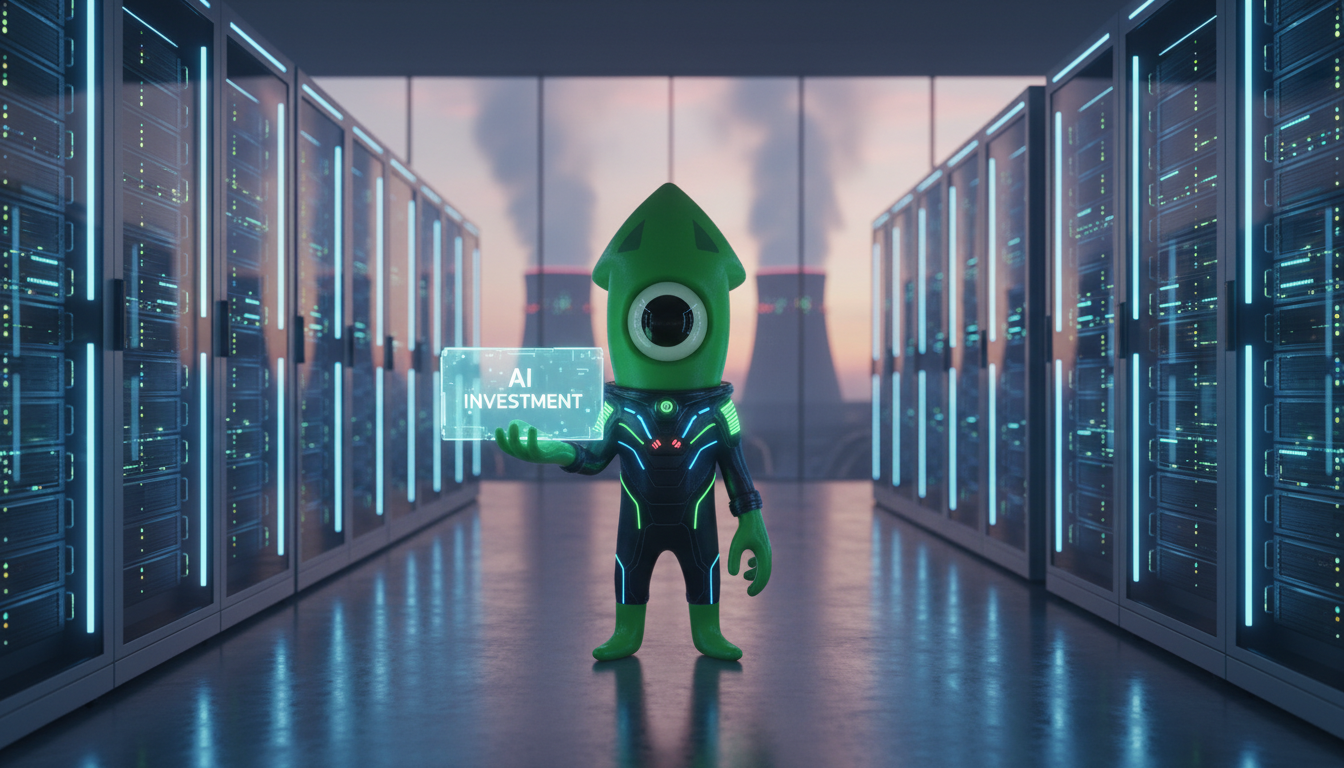
The Massive Wave Of AI Investment Reshaping Our World
The world stands at the edge of a massive technological shift driven by rapid progress. This change stems from a massive surge in AI investment across the global tech landscape. Companies are pouring billions into building the physical foundation for future intelligence. Consequently, we see a total transformation in how leaders view data centers and hardware. This movement focuses on more than just software or digital tools alone.
Significant capital flows into next generation energy sources to power these growing digital hubs. Because the energy demand is so high, nuclear power has become a primary topic again. Therefore, the link between infrastructure and innovation has never been more obvious or vital. These shifts suggest that AI investment creates a ripple effect across multiple physical industries. As a result, every sector must prepare for a future defined by these massive physical builds.
Tech giants like Meta and Google are leading the charge with historic spending levels. For instance, recent insights from PWC highlight how capital costs are reaching new heights. Thus, the industry is moving toward a hardware centric model that reshapes modern society. Furthermore, we look at how next generation energy and data centers provide the ultimate backbone. This article explores the trends defining this new wave of global infrastructure development.

The Role Of Hyperscale Data Centers In AI Investment
Hyperscale data centers represent the physical heart of the current digital revolution. These massive facilities provide the processing power necessary for complex models to function. Because the demand for intelligence grows, companies must expand their hardware footprint quickly. This expansion relies on significant capital to build and maintain vast server farms. Therefore, the scale of these projects highlights the true depth of global AI investment today.
Meta serves as a prime example of this aggressive infrastructure growth strategy. The company spent roughly 140 billion dollars over the past three year period on its tech stack. Furthermore, Meta plans to nearly double its spending to 135 billion dollars in 2026 alone. As a result, Meta shares rose by around 6.5 percent in extended trading after this announcement. This massive surge supports the development of sophisticated hardware and cooling systems.
- Rapidly growing computational appetite for training large models.
- Need for specialized chips and custom server racks.
- Expansion of high speed networking to reduce latency.
- Increasing focus on local power generation for site stability.
Startups also face new challenges during this period of rapid expansion. You can learn more about how startups win the AI power shift here to stay competitive. Similarly, Google continues to boost its capacity to support the Gemini model. Because training requires immense resources, these companies build clusters with thousands of interconnected GPUs. Consequently, the boom in construction shows no signs of slowing down soon.
Comparing Power Sources For AI Infrastructure
Energy trade offs define the future of AI growth. Companies must balance energy density with a low carbon footprint to ensure long term success. Furthermore, grid reliability is essential for operations running twenty four hours a day. Consequently, picking power sources requires weighing costs against stability. Reports from the International Energy Agency (International Energy Agency) show that global demand will double soon.
| Technology Type | Key Benefits | Main Challenges | Leading Projects |
|---|---|---|---|
| Next Gen Nuclear | Constant power plus zero carbon | High costs plus regulation | Microsoft and Constellation |
| Solar and Wind | Renewable plus low cost | Intermittent supply plus space | Meta and Amazon |
| Enhanced Geothermal | Steady plus small footprint | Technical complexity plus limits | Google and Fervo Energy |
Ultimately, every source has unique benefits and drawbacks regarding scale and stability. Therefore, a diverse strategy helps businesses scale sustainably while meeting climate targets.
The Future Of Wearables And Augmented Reality
Emerging Hardware Trends Driven By Investment
AI investment is now moving beyond the server room. Companies are focusing on the next generation of consumer electronics. As a result, wearables have become a central part of this strategy. These devices bring digital intelligence directly to the user. Consequently, the market for augmented reality is growing rapidly. This shift represents a new phase of the digital boom.
Meta is leading this change with bold production goals. Specifically, the company intends to double its smart glasses production by 2026. They aim for a capacity of 20 to 30 million units in that year. This massive scale shows their commitment to the Meta Oakley Vanguards project. Therefore, hardware is just as important as the software behind it.
Google is also entering the race with its own smart glasses. These new devices feature advanced AI powered software for daily tasks. Users can interact with their environment in entirely new ways. For instance, the software can translate text or identify objects in real time. Because of these features, augmented reality is becoming a practical tool.
The shift toward these devices changes how we experience digital spaces. One key part of this experience is immersive audio. You can explore how developers can boost sound in a virtual world to learn more. Thus, the combination of sight and sound will define future wearables. These advancements also affect how artificial intelligence shifts education and training. Furthermore, hardware companies are working with experts like Luxottica to improve design. Ultimately, these products will bridge the gap between physical and digital life.
Navigating The Future Of AI Infrastructure
The massive wave of AI investment is fundamentally changing how we build our world. As a result, hyperscale data centers now form the backbone of modern society. Furthermore next generation energy and innovative hardware like smart glasses are leading this charge. These advancements ensure that the digital future remains powerful and accessible. Therefore businesses must adapt to these infrastructure shifts to stay relevant.
EMP0 stands at the forefront of this revolution as a US based AI and automation leader. We offer advanced sales and marketing automation solutions to help your business scale. Our full stack AI worker model integrates directly with your existing systems. Consequently our clients multiply their revenue using AI powered growth systems deployed under their own infrastructure. Thus we provide the tools you need to thrive in this new era.
You can read our latest insights on our blog at articles.emp0.com. We help you build a smarter business through the power of automation and intelligence. Because we value innovation, our team delivers high value results for every partner. Visit us today to start your journey into the world of intelligent automation.
Frequently Asked Questions (FAQs)
What is the primary driver behind the current surge in AI investment?
The main driver is the need for massive computational power. Companies like Meta are spending billions on hardware. Because complex models require huge resources infrastructure is now a top priority. Consequently tech leaders focus on building the physical foundation for future tools. Therefore the boom is centered on physical assets rather than just code.
Why is next generation energy so important for AI infrastructure?
AI systems consume vast amounts of electricity to process data. As a result traditional power grids often struggle to keep up. Tech firms are now investing in nuclear and geothermal energy sources. This move ensures a steady and clean supply of power. Therefore sustainable energy is now a critical part of the digital roadmap. Reports from the International Energy Agency confirm this massive power demand shift.
How do smart glasses and wearables fit into the AI boom?
Wearables bring artificial intelligence into the physical world. For instance Google is launching new glasses with smart software. These devices allow users to access data without using a screen. Consequently augmented reality is becoming a standard tool for work and play. This trend shows how hardware innovations change our daily lives.
What exactly are hyperscale data centers?
These are massive facilities designed to handle enormous amounts of data. They house thousands of servers and advanced cooling systems. Because AI training is so intensive these centers must be incredibly efficient. As a result they are becoming the core of the global tech economy. Their growth reflects the scale of modern digital needs.
How can businesses leverage these emerging technology trends?
Companies can use these advancements to improve efficiency and speed. By adopting automation they can handle complex tasks with ease. Furthermore advanced hardware allows for better communication and training. Therefore businesses that invest early will gain a significant edge. This shift allows for rapid growth in a competitive market.