
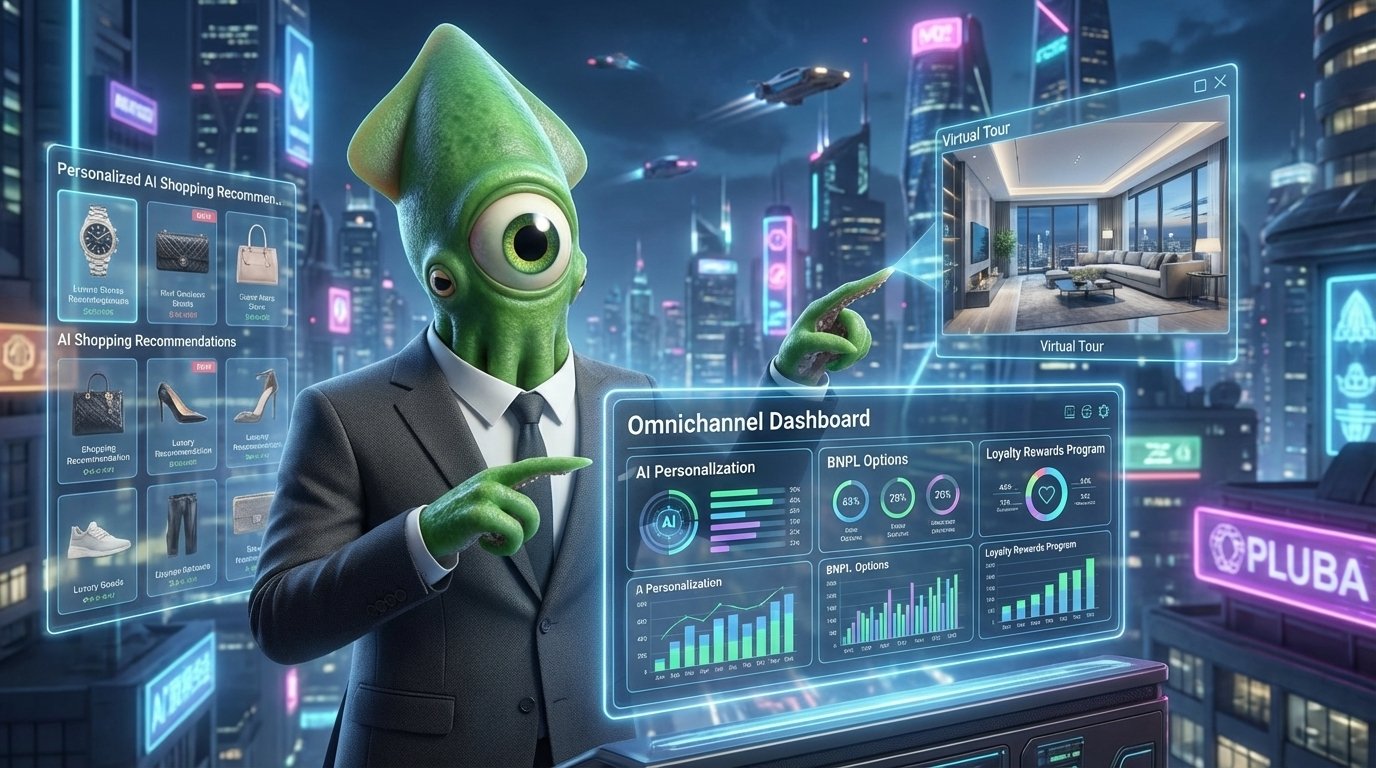
AI-driven shopping experiences for the holiday season: Personalized retail and real estate moments
AI-driven shopping experiences for the holiday season are transforming how consumers discover, choose, and buy gifts. Imagine a parent walking into a mall who receives a tailored mobile feed that highlights warm scarves on sale, local stores with loyalty cashback, and an augmented reality try-on that fits a winter coat to their child in real time; meanwhile an AI schedules a private virtual showing for a family seeking a holiday move, showing staged rooms decorated for Christmas and answering financing questions instantly.
As a result, retailers increase average order value with BNPL and personalized bundles. In real estate, agents now use immersive virtual tours and predictive Equity Propensity Models to surface homes before they hit the market, and thus capture motivated buyers during peak holiday relocation periods, especially in high growth regions like Phoenix that attract affluent migrants.
Therefore, brands that invest in personalization, omnichannel ties, and flexible payments win holiday attention and loyalty.
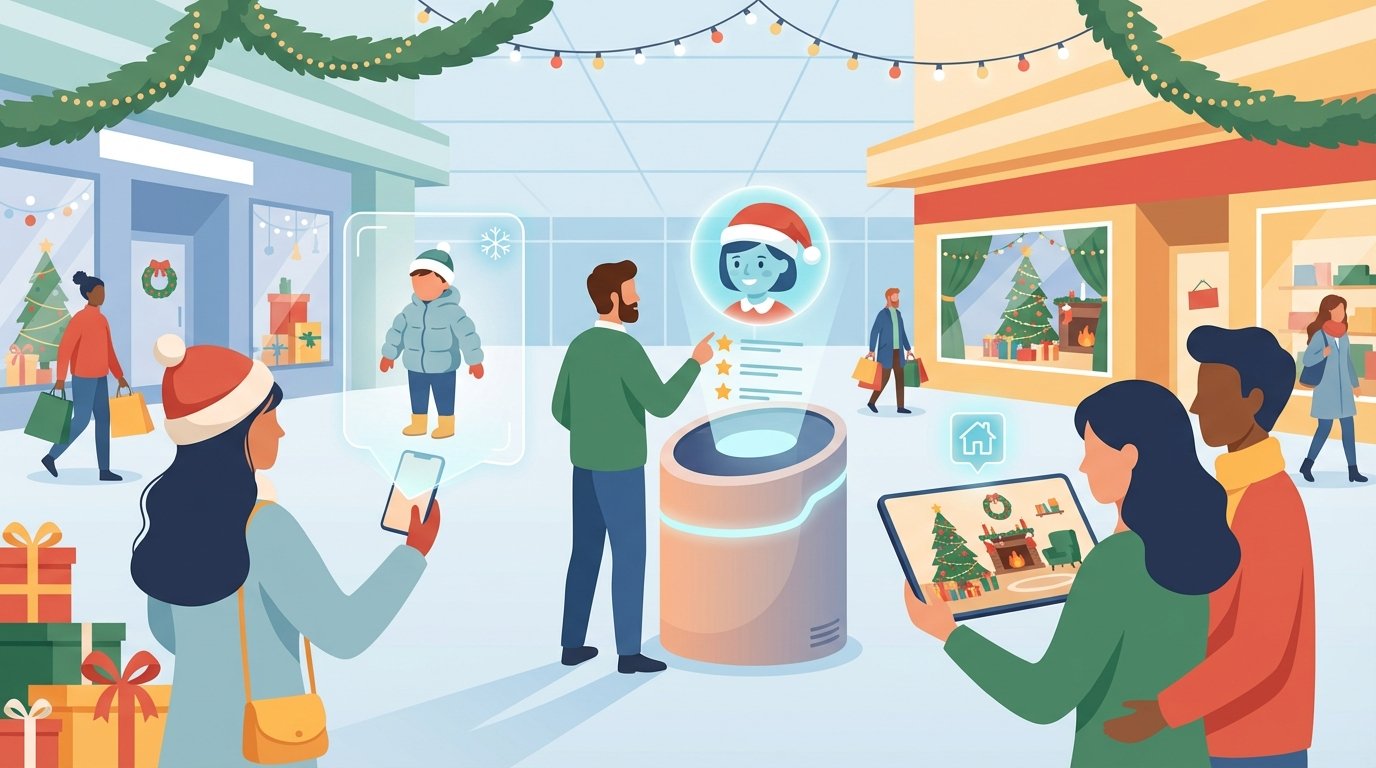
How AI-driven personalization is reshaping holiday retail
AI-driven shopping experiences for the holiday season are no longer a novelty. Retailers use AI to personalize discovery, recommendations, and checkout. As a result, shoppers see curated product feeds, dynamic bundling, and timing-based offers that match intent and mood.
Why personalization matters now
Personalization matters because consumers expect relevance and speed. Forty percent of Americans used AI to help with a purchase in the last year, and 77 percent of past or potential AI shoppers plan to use it this holiday season, according to a PayPal survey. These trends show that AI in shopping moves from experimentation to mainstream adoption. Source
Key AI capabilities driving holiday sales
- Recommendation engines that combine browsing, social signals, and seasonality to suggest gifts. Therefore they shorten discovery time and boost conversions.
- Visual search and AR try-ons that let shoppers preview products in context. This reduces returns and increases confidence.
- Predictive pricing and dynamic promotions that adjust offers by inventory and demand. As a result, merchants capture higher margin windows.
Payment and loyalty shifts that amplify personalization
Flexible payment options and loyalty incentives now tie directly to personalization. Half of shoppers intend to use BNPL this holiday season, and merchants that offer BNPL often see higher average order values. Moreover, 74 percent of consumers say cashback or loyalty perks make them more likely to shop with a merchant. Source
Meanwhile BNPL usage spikes during high-volume shopping periods. For instance, Cyber Week showed double-digit BNPL growth compared with the Thanksgiving through Cyber Monday period last year. Source
Market opportunities for retailers
- Focus on omnichannel personalization because 64 percent plan to shop in-store and 41 percent plan to shop both online and in-store. Therefore blending mobile, in-store, and virtual touchpoints pays off.
- Use AI to create personalized bundles and timed discounts. Consequently average order value rises, especially with BNPL available.
- Tie loyalty offers to AI recommendations to increase repeat purchases. As one leader put it, “They want value, they want choice and they want it to be easy.”
By embracing AI-driven personalization, merchants can improve discovery, reduce friction at checkout, and capture higher lifetime value during the holiday rush.
Quick comparison of AI-driven features and holiday sales impact
| Feature | Description | Benefits | Sales Impact and Evidence |
|---|---|---|---|
| AI personalization and recommendation engines | Uses shopper data, browsing signals, and seasonality to surface relevant gifts and bundles. | Shortens discovery time, increases conversion, and enables dynamic bundling. | Drives mainstream adoption; 40 percent of Americans used AI to assist purchases last year and 77 percent plan to use AI this holiday season. Source |
| BNPL usage | Buy Now, Pay Later options integrated at checkout and during AI-driven recommendations. | Lowers purchase friction, raises affordability, and increases average basket size. | Half of shoppers plan to use BNPL this holiday season; merchants offering BNPL see roughly 62 percent higher average order value. Source |
| Loyalty and cashback rewards | AI surfaces personalized loyalty offers and cashback deals based on behavior. | Boosts repeat purchases, increases retention, and improves perceived value. | Seventy four percent of consumers are likelier to shop where loyalty or cashback exists, which increases conversion during holiday promotions. Source |
| Virtual shopping experiences and AR | AR try-ons, 3D product previews, and AI-powered virtual assistants online and in-store. | Reduces returns, increases shopper confidence, and shortens decision time. | Seventy seven percent of luxury home buyers want virtual experiences before in-person visits, showing demand for immersive shopping in high-consideration categories. (Internal market data and industry reports) |
| Omnichannel strategies | Seamless AI-driven recommendations across mobile, web, and physical stores. | Meets shoppers where they prefer to buy and connects discovery with checkout. | Sixty four percent plan to shop in-store and 41 percent plan to shop both online and in-store; omnichannel personalization captures these cross-channel buyers. Source |
Notes
- Use AI to link recommendations with BNPL and loyalty offers because this combination raises average order value. As one leader noted, “They want value, they want choice and they want it to be easy.”
AI-driven shopping experiences for the holiday season in luxury real estate
AI-driven shopping experiences for the holiday season extend beyond retail and into luxury real estate where marketing, discovery, and buyer intent converge. Seventy seven percent of luxury buyers now expect virtual experiences before an in person visit, and agents use immersive tours and AI to qualify leads faster while creating urgency during holiday relocation windows.
How AI shapes luxury listings
AI merges behavioral signals, local market data, and lifestyle preferences to surface homes that fit timing and taste. Agents deploy predictive analytics and immersive staging to present high intent listings with speed and relevance.
Benefits
- Virtual tours that let buyers preview homes in detail and skip low probability trips
- Augmented reality previews and 3D staging that increase emotional connection and reduce decision time
- Equity Propensity modeling that predicts homes likely to enter the market within 12 months
How AI and virtual experiences change buyer behavior
AI analyzes search patterns, engagement data, and neighborhood signals to surface properties that match lifestyle and timing. As a result, it surfaces properties that match lifestyle and timing and helps agents find listings earlier.
- Virtual tours and AR let buyers preview homes in detail and schedule only high probability visits
- AI chatbots and virtual assistants answer financing and feature questions instantly which shortens the sales cycle and improves conversion
- Predictive models like the Equity Propensity Model reveal seller intent so agents target outreach with better timing
These marketing capabilities lead directly to observable market signals that agents can act on.
America One Luxury Real Estate uses data and immersive tech to find high intent clients and surpassed one billion dollars in lifetime sales which signals the power of these tools. Source Meanwhile the Cromford Market Report tracks hyperlocal trends like supply, demand, and sales velocity and helps time listings and offers. Source
Market signals and opportunities
- Migration into Phoenix and nearby enclaves remains strong which increases demand for luxury homes in Arizona
- Seventy seven percent of luxury buyers want virtual previews so immersive listings convert better Source
In short, AI in real estate uncovers market opportunities and buyer intent and agents who pair predictive models with polished virtual experiences capture motivated buyers.
Conclusion: Why AI-driven shopping experiences for the holiday season matter
AI-driven shopping experiences for the holiday season have moved from experiment to expectation. Retailers use personalization and immersive tours. Agents apply predictive models. These tools meet shoppers where they make decisions. As a result, conversion, average order value, and lead qualification improve during peak seasons. Smart use of BNPL, loyalty, and omnichannel ties amplifies gains.
Data shows 40 percent of Americans used AI to help a purchase last year. Moreover, 77 percent plan to use it this holiday season. Therefore merchants that combine recommendations with flexible payments and loyalty perks win more baskets. In real estate, models like the Equity Propensity Model and virtual tours surface buyers earlier. As a result, they shorten sales cycles. Consequently, markets with high inbound migration, such as Phoenix, reward timely outreach.
EMP0 helps teams build secure AI and automation infrastructure that multiplies revenue. For example, EMP0 offers tools for personalization, conversational assistants, and workflow automation. These run under private infrastructure to protect data and control. Explore EMP0 at https://emp0.com and read our guides at https://articles.emp0.com to get started. Also see automation examples on n8n at https://n8n.io/creators/jay-emp0. Adopt AI pragmatically, measure results, and scale what works.
Frequently Asked Questions (FAQs)
How does AI personalization work during holiday shopping?
AI personalization uses short term and long term customer signals to match offers. It analyzes browsing history, past purchases, search queries, and social trends. It also factors in seasonality and inventory levels. Recommendation engines score products in real time. As a result, shoppers see relevant gift ideas and curated bundles. Privacy matters, so businesses should get consent and minimize identifiable data.
Will AI really increase holiday sales and average order value?
Yes, when used correctly. AI shortens discovery and surfaces higher relevance. Moreover, merchants that combine AI recommendations with flexible payments see clear lifts. For example, PayPal data shows merchants offering BNPL see roughly 62 percent higher average order value. Also, Perplexity users who bought with PayPal averaged about $151 per order during holiday campaigns. Therefore AI plus payment options can raise basket size.
How does BNPL interact with AI-driven recommendations?
BNPL makes higher priced bundles more affordable. AI can promote BNPL-eligible bundles at the right moment. Consequently shoppers convert on larger carts more often. Half of shoppers say they will use BNPL this holiday season, which shows demand. Also BNPL transactions grew double digit during peak sale windows last year. Therefore combine BNPL with targeted AI offers for maximum impact.
How can retailers combine in-store and online AI strategies?
Use omnichannel signals and real time inventory to keep offers consistent. For example, mobile prompts can highlight nearby stock and loyalty perks. AR try ons bridge web and store experiences. Staff can use AI tools to personalize service in person. Since 64 percent plan to shop in store, and 41 percent plan to buy both online and offline, blending channels matters.
What future trends should businesses prepare for?
Expect more immersive shopping, predictive models, and tighter privacy rules. Virtual and AR experiences will expand across categories. Predictive tools like Equity Propensity style models will reveal timing and intent. Therefore invest in secure AI infrastructure, measure outcomes, and scale the systems that drive repeat revenue.