

The Changing Landscape of Modern Software Engineering
As we navigate through 2026, relying entirely on manual software engineering practices places organizations at a severe competitive disadvantage. Indeed, custom software development demands unprecedented speed and agility to meet evolving market expectations. Consequently, legacy systems and outdated manual processes often create bottlenecks that slow down intelligent product development and hinder innovation. Therefore, tech leaders are now recognizing that adopting modern automation frameworks is no longer just an option, but a fundamental requirement for maintaining market relevance and delivering value to users.
Why Workflow Automation is Essential Today
Fortunately, workflow automation provides a robust solution to these modern engineering challenges. By leveraging AI-driven automation, engineering teams can scale their operations efficiently while maintaining high standards of code quality. Additionally, identifying and resolving the hidden bottlenecks within your deployment pipeline is the crucial first step toward modernization. In this guide, we will explore seven specific workflow automation hacks designed for custom software development. Ultimately, these strategies are engineered to enhance technical precision, accelerate deployment cycles, and free your developers to focus on complex problem-solving.
Furthermore, implementing these systems allows organizations to redirect valuable engineering hours away from repetitive, mundane tasks. As a result, competitors who have already embraced these methodologies are seeing significant improvements in their time-to-market metrics. Therefore, exploring the exact methods and tools available today will provide your team with the blueprint needed to thrive in an increasingly automated technological ecosystem.
Foundational Pipeline Automation
Establishing a bedrock of seamless data connectivity is essential for any modern engineering team. Specifically, Hack 1 involves deploying Retrieval-Augmented Generation (RAG) to provide developers and AI agents with instant, contextualized code access. Moreover, companies like Unico Connect specialize in building sophisticated RAG integration frameworks specifically tailored for workflow automation. Consequently, integrating these systems ensures that developers spend less time manually searching through fragmented legacy documentation and more time writing impactful code.
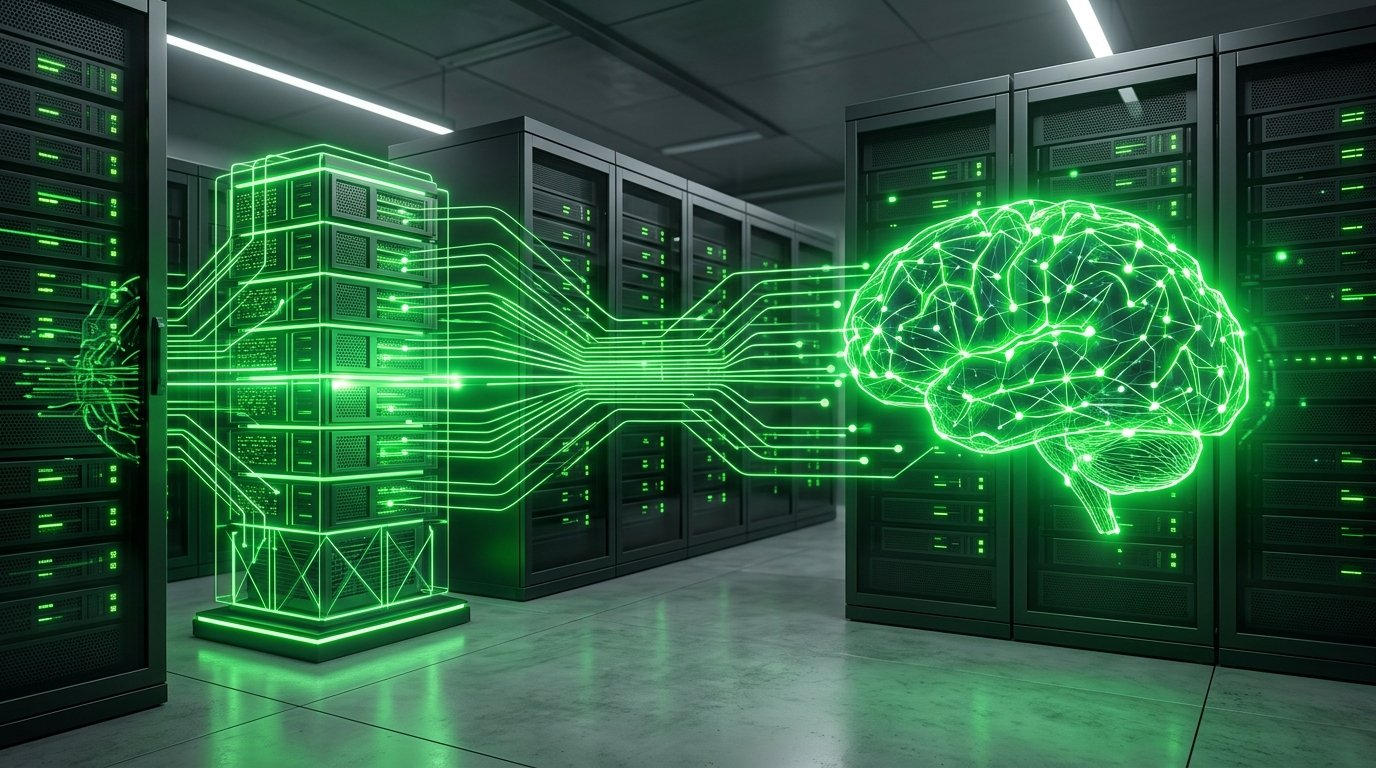
Mastering these foundational automation strategies requires a structured approach to pipeline management:
- Hack 1: Deploy RAG integration for instant, context-aware internal data access.
- Hack 2: Automate geospatial APIs and external data feed synchronization.
- Hack 3: Implement comprehensive, automated QA testing pipelines to catch regressions early.
Implementing Workflow Automation in Pipelines
To begin, Hack 2 focuses specifically on the complexities of geospatial API automation. Indeed, custom software engineering in 2026 often requires intricate location-based services. For instance, Bytes Technolab Inc. has built a strong reputation for intelligent product development that requires complex Google Maps and spatial data integration. Therefore, automating the connection, parsing, and error-handling of these external API feeds prevents massive deployment delays and ensures that location-based features remain highly responsive under heavy user loads.
Similarly, Hack 3 centers on the critical need for automated testing pipelines. However, manual quality assurance simply cannot keep pace with the rapid iteration cycles demanded by modern agile methodologies. Consequently, integrating automated unit, integration, and end-to-end testing scripts directly into your CI/CD pipeline guarantees a higher degree of technical precision. As a result, automated testing catches regressions the moment code is committed, allowing developers to address issues before they reach production. Additionally, for a deeper dive into connecting these disparate systems, check out The Ultimate Guide to API and System Integration.
“The organizations that succeed in 2026 are those that view their deployment pipeline not as a series of manual gates, but as a continuous, automated flow of value delivery.” — Industry Engineering Report, 2026
Scaling with Agentic AI and Human Control
Undeniably, agentic AI represents a significant leap forward in process optimization and code generation. Specifically, Hack 4 utilizes autonomous AI agents to write boilerplate code, scaffold new microservices, and generate routine API endpoints. Therefore, building and integrating these autonomous systems allows senior engineers to focus entirely on core business logic and architectural design. Additionally, for a comprehensive breakdown of the tools driving this shift, read 5 Agentic AI Tools for Software Engineering.
However, autonomy must always be balanced with appropriate oversight to maintain system integrity. Consequently, Hack 5 mandates the implementation of human-in-the-loop checkpoints within your automated workflows. For example, Unico Connect incorporates these strategic checkpoints to handle complex, multi-step business processes safely and securely. Ultimately, the AI handles the heavy lifting of data processing and initial code generation, while human experts review the outputs to ensure absolute accuracy and alignment with business objectives.
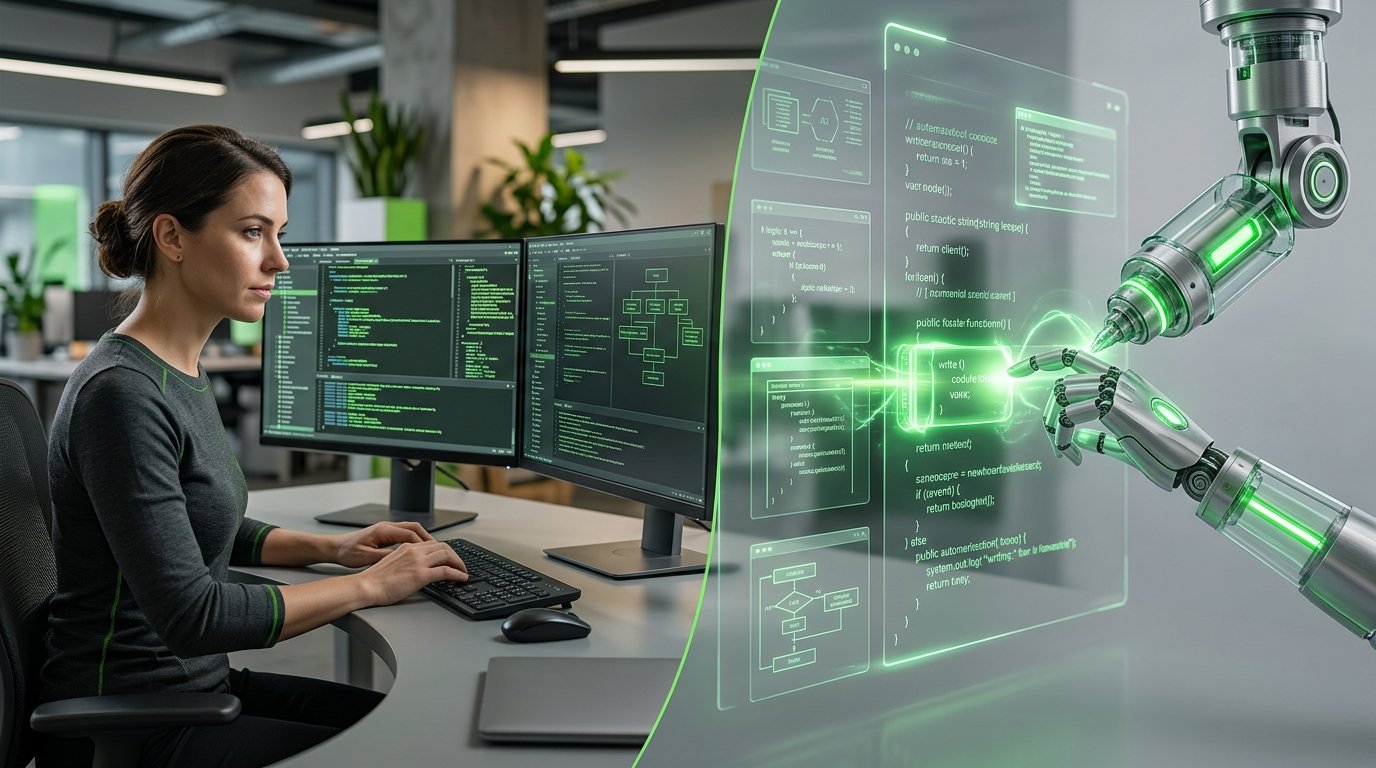
Furthermore, Hack 6 addresses the unique challenges of enterprise machine learning deployments. Indeed, heavyweight projects require massive scale and robust infrastructure to function correctly. For instance, ELEKS operates with a 2,000-person engineering team to deliver enterprise AI automation seamlessly across global markets. Consequently, leveraging large-scale automated infrastructure—such as dynamically scaling Kubernetes clusters and automated model retraining pipelines—is non-negotiable for organizations operating at this level.
Finally, Hack 7 is the implementation of continuous workflow orchestration. By linking your autonomous agents, databases, and deployment pipelines into one unified, observable loop, you create a self-sustaining ecosystem. As a result, your custom software can essentially update its own dependencies and run routine maintenance with minimal friction. Therefore, to master the intricacies of this orchestration, explore 5 Secrets to Agentic AI Workflow Automation.
How Agentic AI Drives Workflow Automation
Clearly, industry metrics validate the widespread shift toward AI-assisted automation in software engineering. Indeed, according to 2026 industry reports, companies that delay the adoption of these trends experience a noticeable decline in market share and developer retention. Therefore, finding the right partner to navigate this transition is crucial. Fortunately, DesignRush curates and verifies reviews for top AI automation companies, helping startups and enterprises compare trusted agencies equipped to handle modern engineering challenges.
Specifically, data consistently shows that engineering teams deploying agentic AI ship products up to 40% faster than their traditional counterparts. Conversely, traditional teams often find themselves bogged down by accumulating technical debt and manual maintenance tasks. However, organizations utilizing human-in-the-loop checkpoints report a 60% reduction in critical deployment errors, proving that speed does not have to come at the expense of quality. Ultimately, the combination of AI speed and human oversight creates a highly resilient engineering culture.
In conclusion, automating custom software pipelines is a strategic imperative for organizations looking to scale efficiently. Therefore, investing in intelligent product development frameworks provides a sustainable path forward, ensuring that your engineering teams remain productive, innovative, and capable of meeting future technological demands.
Traditional vs. Automated Workflows
Undeniably, comparing legacy methods against modern automated systems highlights the profound impact of this technological shift. Specifically, the table below provides a clear breakdown of how AI automation drastically alters the day-to-day realities of custom software engineering.
| Workflow Metric | Traditional Engineering (Legacy) | AI-Automated Engineering (2026) |
|---|---|---|
| Code Generation | 100% Manual, highly susceptible to human error | Agentic AI assisted, rapid scaffolding and high speed |
| Data Retrieval | Manual documentation search across siloed systems | Instant RAG integration with contextual awareness |
| Quality Control | Slow manual QA testing and delayed feedback loops | Automated CI/CD with human-in-the-loop checkpoints |
| Enterprise Scale | Requires massive, linear hiring to increase output | Automated machine learning pipelines and elastic scaling |
| Maintenance | Reactive bug fixing and manual dependency updates | Proactive monitoring and continuous orchestration |
Consequently, the automated approach clearly delivers vastly superior results across all major engineering metrics. Therefore, adopting these frameworks empowers teams to do more with less, optimizing resource allocation and driving better product outcomes.
Visualizing Intelligent Product Development
Moreover, visualizing this transformation helps clarify the integration process for stakeholders and technical teams alike. For instance, imagine a comprehensive infographic detailing a modern automated software workflow. Specifically, the top section displays raw, unstructured data flowing seamlessly into a sophisticated RAG integration module, where it is indexed and contextualized. Additionally, the middle section maps out multiple agentic AI nodes working in parallel, writing code, running initial tests, and optimizing database queries simultaneously.
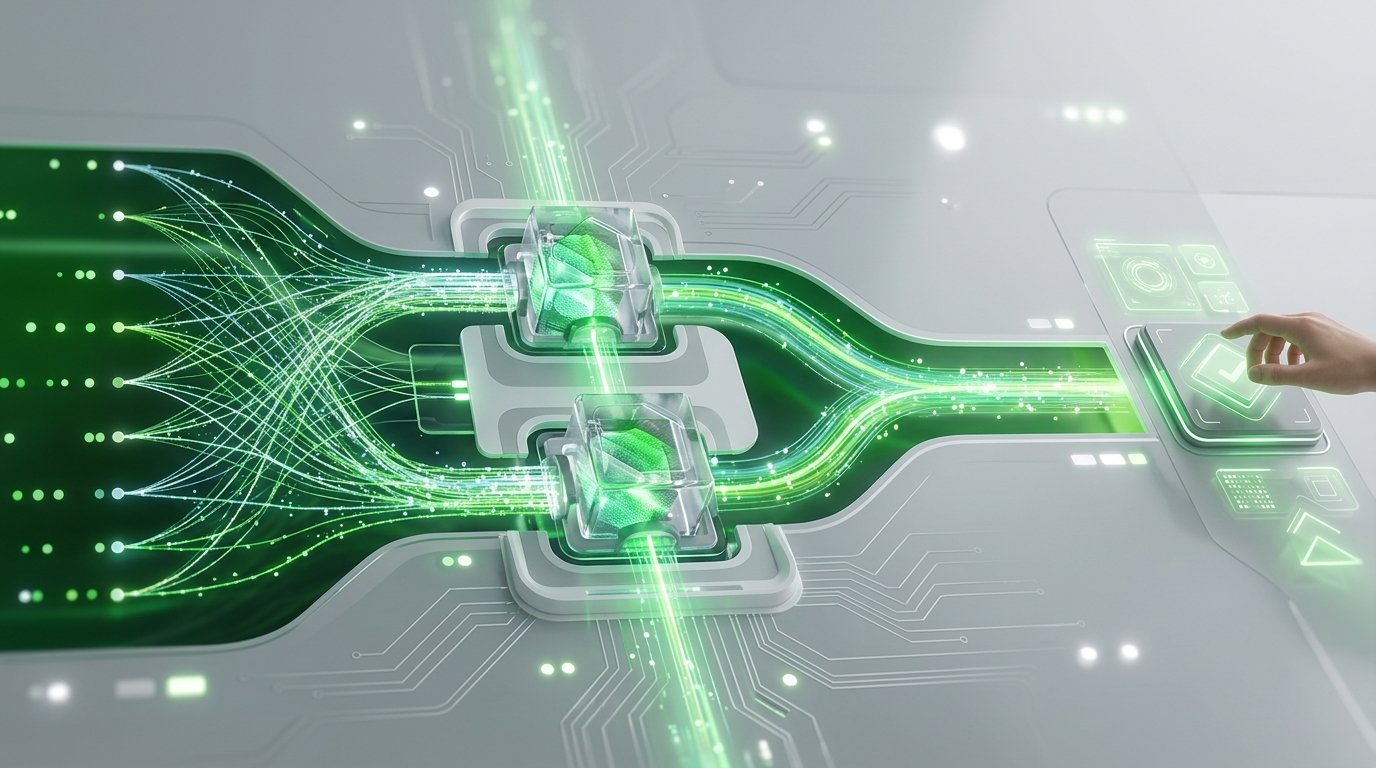
Furthermore, a prominent checkpoint highlights the human-in-the-loop verification stage, where senior engineers review the AI-generated pull requests. As a result, the bottom section illustrates the automated deployment phase, powered by enterprise machine learning models that predict server load and scale infrastructure dynamically. Consequently, this visual representation demonstrates how seamlessly these seven hacks interlock to form a cohesive, highly efficient engineering pipeline. Ultimately, it serves as a practical blueprint for complete process optimization.
To provide a technical perspective, here is a conceptual example of how an automated pipeline might trigger a RAG-assisted code review:
function triggerAutomatedReview(pullRequest) {
  const context = ragSystem.fetchContext(pullRequest.files);
  const aiAnalysis = agenticAI.analyzeCode(pullRequest, context);

  if (aiAnalysis.confidenceScore > 0.95) {
    ciPipeline.runTests(pullRequest);
  } else {
    humanInTheLoop.flagForReview(pullRequest, aiAnalysis.concerns);
  }
}
Evolving Your Engineering Practices with Workflow Automation
To succeed, the landscape of custom software development in 2026 requires a proactive approach to process improvement. However, relying on outdated manual processes limits your team’s potential and stifles innovation. Indeed, we have explored foundational upgrades like RAG integration, automated testing, and geospatial API automation, which set the stage for more advanced capabilities. Additionally, we also discussed the immense power of agentic AI paired with human-in-the-loop systems to ensure quality and reliability at scale.
Furthermore, analyzing the enterprise capabilities of massive engineering teams reveals that automation is the key to managing complexity. Consequently, implementing these seven workflow automation hacks provides a clear, actionable roadmap for modernizing your development lifecycle. Therefore, embracing these technologies allows your organization to build better software, faster, and with fewer critical errors.
Ultimately, you possess the tools and knowledge necessary to scale your engineering output drastically. To accelerate your journey and dive deeper into implementation strategies, read AI Workflow Automation: 6 Tips to Scale Fast. Therefore, now is the ideal time to optimize your pipelines, empower your developers, and solidify your position as a leader in intelligent product development.
Frequently Asked Questions
What is RAG integration in software engineering?
RAG stands for Retrieval-Augmented Generation. It is a framework that allows AI models to securely pull real-time data from your proprietary databases and internal documentation. Your agentic AI can write custom software using your specific business context and coding standards. This process significantly reduces AI hallucinations and improves the technical precision of the generated code.
Why are human-in-the-loop checkpoints necessary?
While AI automation is incredibly powerful for speed and volume, it lacks the nuanced understanding of complex business logic that a seasoned engineer possesses. Human-in-the-loop checkpoints ensure that human experts review critical decisions and complex code changes before they reach production. Agencies like Unico Connect use this method to safely manage multi-step processes, preventing costly errors during intelligent product development.
How do I choose the right AI automation agency in 2026?
Selecting the right partner involves evaluating their track record with modern automation tools and enterprise-scale deployments. Platforms like DesignRush curate and verify reviews for top agencies, making the vetting process much easier. You should look for firms with proven experience in your specific industry and a deep understanding of enterprise machine learning infrastructure, similar to the large-scale operations managed by ELEKS.
What is Agentic AI and how does it differ from standard AI?
Standard AI typically responds to single prompts with single outputs. Agentic AI, however, is designed to act autonomously over a series of steps to achieve a broader goal. In software engineering, an agentic AI can receive a high-level task, break it down into smaller components, write the code, run its own tests, and iterate on the results without requiring continuous human prompting.