
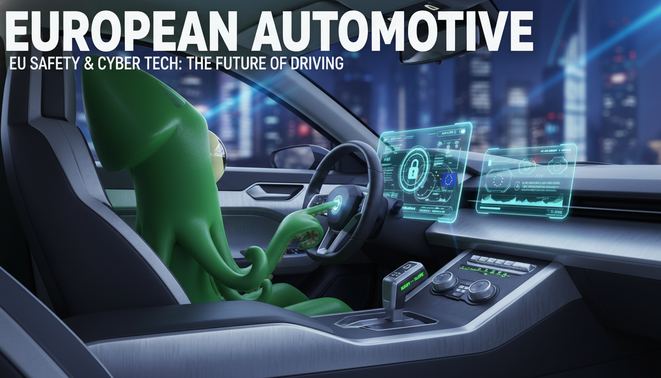
Understanding the EU Mandatory Vehicle Breathalyzer Interface: A Safety Revolution
Introduction
The European Union recently implemented a landmark safety regulation for the automotive industry. As a result, this change requires all new vehicles sold as of July 1 to include a preinstalled system. This specific hardware requirement is the EU Mandatory Vehicle Breathalyzer Interface. It allows for the seamless installation of alcohol ignition interlocks in any new car.
Because road safety remains a high priority, this measure targets a very specific objective. The authorities want to reduce traffic fatalities across the continent significantly. Consequently, manufacturers must now equip every vehicle with this specialized port to comply with the law.
This initiative aligns perfectly with the ambitious Vision Zero strategy. The European Union hopes to reduce alcohol related deaths by at least half by the year 2030. Furthermore, the ultimate goal of the policy is to eliminate all traffic deaths by 2050.
These new standards represent a major shift in automotive engineering and safety planning. Therefore, car makers are currently adapting their production lines to meet these strict requirements. The interface ensures that any breathalyzer device meets rigorous European standards for quality. Specifically, the hardware must comply with the EN 50436 certification as noted by the European Transport Safety Council.
Other safety technologies accompany this new breathalyzer interface requirement. For instance, new vehicles also feature intelligent speed assistants as of 2024. Additionally, modern cars now contain event data recorders to help with official accident investigations.
These various tools work together to create a much safer driving environment for everyone. Because of these regulatory changes, the automotive landscape is shifting toward more predictive safety measures. Thus, this evolution marks a significant milestone in modern transportation policy and public health protection. Official figures suggest this tech could reduce fatal accidents by up to 65 percent.
Regulatory Standards for the EU Mandatory Vehicle Breathalyzer Interface
The primary technical foundation for this safety mandate rests on a specific European protocol. Professionals call this protocol the EN 50436 standard. It provides the necessary specifications for the EU Mandatory Vehicle Breathalyzer Interface. Because consistency is vital across the automotive sector, this standard ensures that different manufacturers use the same technical architecture. Consequently, any certified device will function correctly when connected to the vehicle according to the European Transport Safety Council guidelines.
Compliance with the EN 50436 standard is not optional for car makers in Europe. Furthermore, each device must obtain a formal certificate from an authorized accrediting entity. These entities perform rigorous testing to verify the durability and accuracy of the hardware components. Because of these strict rules, the interface can withstand extreme temperatures or electrical interference. Therefore, the system remains active and functional throughout the life of the vehicle.
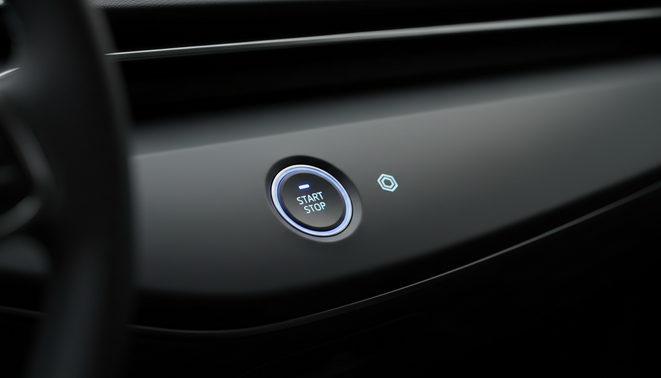
The physical interface directly connects Alcohol Ignition Interlocks to the ignition system of the car. Specifically, the system monitors the breath of the driver before allowing the engine to start. Additionally, if the sensor detects a blood alcohol level above the limit, the engine will not ignite. As a result, this hardware solution provides an immediate barrier to drunk driving. Because the factory preinstalls the interface, owners can easily add or remove the actual breathalyzer unit as needed for maintenance.
Integrating these Alcohol Ignition Interlocks requires deep electronic communication within the vehicle control unit. The EU Mandatory Vehicle Breathalyzer Interface acts as the gateway for this communication. However, it does not interfere with other critical functions like braking or steering systems. Instead, it only manages the starting sequence of the motor to ensure safety. Thus, the technology balances driver convenience with high level safety protocols. The European Commission recommends these specific safety protocols for all member states. These regulations align with global safety objectives established by the International Organization for Standardization.
Comparison of EU Mandated Safety Technologies
The General Safety Regulation introduces several mandatory tools to protect road users. These technologies focus on different aspects of driving behavior and vehicle safety. Consequently, the following table summarizes the most significant mandates currently in effect for new vehicles.
| Technology Name | Primary Safety Function | Implementation Year / Status |
|---|---|---|
| Alcolock Interface | Prevents engine ignition if the driver is intoxicated | July 2024 / Mandatory |
| Intelligent Speed Assistant | Helps drivers maintain the legal speed limit | July 2024 / Mandatory |
| Event Data Recorder | Records critical vehicle data during a crash event | July 2024 / Mandatory |
Each of these systems plays a vital role in the Vision Zero strategy. For example, the Alcolock Interface allows for the installation of breathalyzers. Furthermore, companies like Bosch develop the sensors used in these systems. Additionally, the ETSC monitors the effectiveness of these mandates. As a result, European roads are becoming much safer for everyone.
Vision Zero and the Role of Alcohol Ignition Interlocks
The Vision Zero initiative serves as the primary framework for European road safety policy. This ambitious program seeks to fundamentally transform how people travel across the continent. Specifically, the European Union aims to reduce road deaths by 50 percent by the year 2030. Furthermore, the long term goal is to eliminate all traffic fatalities and serious injuries by 2050. Because this target is so high, the commission introduced several technical mandates for new vehicles.
One of the most effective tools in this safety arsenal is the alcohol breathalyzer interface. Experts refer to these systems as Alcohol Ignition Interlocks because they stop a car from starting. Recent studies highlight the incredible potential of this technology for public health. For instance, official figures estimate that these devices can reduce fatal alcohol related accidents by up to 65 percent. This significant reduction would save thousands of lives every year across Europe.
As a result, the mandate for a standard interface is a critical step forward. It removes the technical barriers that previously made installing these locks expensive or difficult. Now, every new car comes ready for immediate safety integration. Because the technology is standardized, it works reliably across all vehicle makes and models. Therefore, authorities can implement safer driving policies more effectively in every member state.
Moreover, the success of Vision Zero depends on widespread adoption of such innovations. The European Commission continues to monitor the impact of these regulations on road safety. By focusing on prevention, the EU is creating a more resilient transport network. Consequently, the combination of better technology and strict laws will likely achieve the 2030 milestones. These efforts demonstrate a strong commitment to protecting every citizen on the road.
Conclusion
The automotive industry is moving rapidly toward a future of safer and autonomous ready vehicles. Because the European Union now requires standard safety ports, every new car serves as a platform for innovation. These systems help achieve the goals of Vision Zero by preventing dangerous driving behaviors before they occur. Consequently, the integration of hardware like the breathalyzer interface into the transport network ensures a more resilient society. As these safety standards continue to evolve, they pave the way for more complex autonomous systems to enter the market safely.
Similarly, your business can benefit from advanced automation to reach its full potential in a competitive market. Employee Number Zero LLC acts as a full stack and brand trained AI worker for modern companies. We provide high performance solutions such as a robust Content Engine and accurate Revenue Predictions. These AI powered growth systems help businesses multiply their revenue while maintaining complete security. Because we deploy these systems directly under the client infrastructure, your sensitive data always stays private and protected.
Visit the official website at emp0.com to learn how automation can transform your daily operations. You can also follow the handle @Emp0_com on the Twitter and X platform for the latest technological insights and updates. Start your journey toward AI driven success today and scale your brand with efficiency.
Frequently Asked Questions (FAQs)
What happened on the July 1 deadline for European vehicles?
As of July 1, all new vehicles sold in the European Union must have a preinstalled interface. This specific hardware allows for the easy addition of a breathalyzer lock to the ignition. Therefore, manufacturers are now required to include this port in every car design. Because this change is law, it helps standardize safety across all member states. Consequently, every driver will benefit from this protection.
What is the primary purpose of the Event Data Recorder?
The Event Data Recorder acts as a black box for modern vehicles. It stores critical information immediately prior to an accident. For example, it records speed and braking patterns before a crash. Thus, these records assist authorities during official investigations. By analyzing this data, experts can learn how to prevent future collisions according to the European Transport Safety Council.
Why is the EN 50436 standard important for automotive safety?
The EN 50436 standard provides the technical requirements for breathalyzer locks. Because of this regulation, all devices must meet specific quality and reliability metrics. Additionally, authorized entities must provide a certificate for each compliant device. This ensures that the technology works perfectly within the vehicle network. As a result, the hardware is durable and tamper resistant.
What is the ultimate goal of the Vision Zero initiative?
The Vision Zero initiative seeks to make roads completely safe for all users. The program aims to reduce traffic related deaths by 50 percent by the year 2030. Furthermore, the final objective is to eliminate all road fatalities by 2050. Because this plan is ambitious, the EU is introducing several mandatory safety technologies. Thus, the strategy focuses on human life above all else.
How does the Alcolock interface function in new cars?
The Alcolock interface connects a breathalyzer directly to the ignition system of the car. If a driver provides a breath sample above the limit, the engine will not start. Consequently, this system provides an immediate barrier to drunk driving. Because the port is factory installed, owners can add or remove the device easily. Therefore, the interface facilitates a quick and secure installation process for safety equipment.