AI Business Implementation Strategy: Bridging Operational Gaps for Growth
Every single minute of downtime costs a business roughly 5,600 dollars. This staggering number highlights the extreme fragility of most modern systems. Many leaders rush to adopt new tech to stop these massive losses. However, a successful AI Business Implementation Strategy requires more than just buying new software.
It demands a deep look at how your company actually functions today. You must understand your current workflows before you try to automate them. Otherwise, you risk magnifying the errors that already exist in your system. This data comes from general research found at Forbes which tracks operational costs.
The Stress Test of Innovation
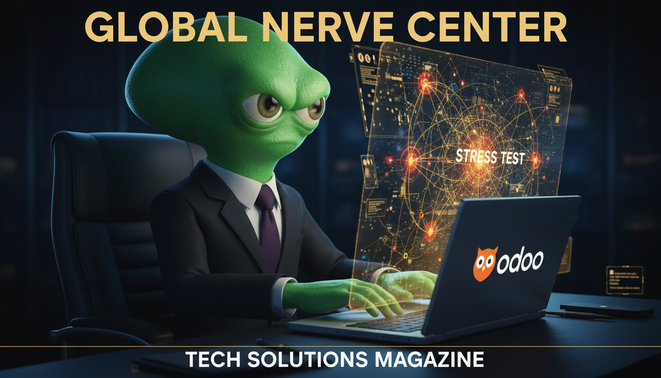
Greg Davis knows this reality better than most business leaders. He spent over 25 years scaling technology companies past the 100 million dollar mark. According to his experience, AI acts like a stress test for your internal processes.
If your operations are weak, AI will not hide those flaws at all. Instead, it makes those problems much more visible and significantly more expensive. Because AI moves so quickly, it forces you to face your organizational gaps immediately. Therefore, preparing your infrastructure is the first step toward true success.
Integration often exposes the hidden gaps you tried to ignore for years. You might expect AI to solve every operational headache in an instant. Yet, without a solid foundation, you only get faster bad decisions. Leadership insights from HBR support this view on digital transformation.
This guide explores how to bridge those gaps effectively for long term growth. We will look at moving from reactive fixes to proactive growth strategies. As a result, your team will be ready to handle the power of intelligent systems. Follow this advisory approach to ensure your technology stack remains stable and profitable using guidance from IBM to build strength.
Evaluating Your AI Business Implementation Strategy Against Operational Friction
Implementing new technology without a clear plan is often dangerous for your company. Many leaders believe that automation fixes poor performance immediately. However, the opposite is usually true in most operational cases. Instead of getting better decisions, you get faster, bad ones. This quote explains why jumping into AI too quickly can hurt your bottom line.
When you automate a broken process, you only increase the speed of your mistakes. This is a common issue when businesses lack a solid strategy. You must ensure that your current systems are stable before you begin. You can learn more about this in our guide on How to Fix Your Failing Enterprise Automation Strategy?.
Complexity does not create leverage for your hard working team. Instead, it creates a whole lot more friction in daily tasks. To avoid this, you need two essential prerequisites:
- System stability
- Real time data
Saleem Khatri and Roger Bryan often emphasize the need for proactive operations. They suggest that leaders must identify weaknesses before adding layers of technology. Proactive operations allow you to spot problems before they turn into costly failures. If you do not do this, your systems will struggle to scale properly and meet demand. You should check our thoughts on Can AI Powered Growth and Leadership Systems Stop CAC?. This approach moves your focus from fixing errors to creating new value for customers.
Real time data is critical because AI depends on constant information flow. If your network fails, your AI systems cannot perform effectively at all. As a result, you might lose thousands of dollars every single minute. Therefore, a successful How to 10x Revenue with Autonomous AI Agents? focuses on total reliability.
According to research from IBM, operational readiness determines the success of AI. Without a clear view of your data, you are essentially flying blind. You must build a foundation that supports high speed computing. This prevents operational drift and keeps your business on the right track for growth.

Executing a Successful AI Business Implementation Strategy: Lessons from the Field
Many companies struggle with invisible losses that drain their profits every day. For example, owners in the restaurant industry often face a problem called labor drift. This happens because staff schedules do not always align with actual work hours. Studies show that locations lose hundreds of paid labor hours each year. Consequently, these small leaks turn into massive financial gaps over time.
A strong AI Business Implementation Strategy provides a clear solution for these operational leaks. For instance, you can use advanced tools like Marty to recover these lost margins. Marty acts as an AI general manager for your business. It identifies open clock ins during shifts to save tens of thousands of dollars. Therefore, your managers can focus on high value tasks instead of chasing paperwork.
Greg Davis often describes this technology as an alarm system for the modern age. This system helps organizations avoid legal issues because it flags errors early. One major misconception is that AI replaces the manager. In reality, Marty is here to clone their eyes rather than their authority. As a result, your team becomes more efficient without losing the human touch.
Building a modern technology stack requires the right software partners for your specific needs. Companies like UKG and Lavu provide the data needed for deep analysis. Additionally, ServiceTitan helps service businesses track their performance in real time. Integrating these platforms allows your AI to function at its highest level. Because of this integration, you can achieve growth more effectively.
Success depends on how well you connect your digital tools with daily habits. You must ensure that your data is clean and consistent for the best results. Furthermore, early warning systems help small business owners spot problems quickly. This proactive stance is the key to scaling your operations in a competitive market. Finally, focus on stability to ensure your growth remains sustainable and profitable.
Maintaining consistency is the most difficult part of any digital change. You must monitor your systems daily to prevent any new operational drift. This constant attention ensures that your business stays on a path toward success. Because you have a solid plan, your team can thrive in an automated world. Finally, use these tools to build a better future for your entire organization.
Comparing Manual vs. AI Enhanced Proactive Operations
Moving from a reactive mindset to a proactive one changes everything for a business. This transition is a core part of a successful AI Business Implementation Strategy. The following table highlights the specific benefits of moving away from manual oversight. It shows how technology reduces risks and improves your bottom line.
| Operational Metric | Manual Operational Oversight | AI Enhanced Proactive Operations |
|---|---|---|
| Compliance Risk | High risk of U.S. Department of Labor actions for minor scheduling errors | Early warning systems flag minor scheduling errors to ensure total compliance |
| Margin Recovery | Significant profit loss due to labor drift and open clock ins | Recovery of high margins by closing open clock ins automatically |
| Decision Speed | Decisions are slow and based on old historical data reports | Teams make proactive moves using real time information streams |
| Data Integrity | Manual entries often lead to operational drift and errors | Digital systems maintain high integrity across the whole technology stack |
By choosing a proactive path, you avoid the high cost of complexity. Instead, you create a system that works for your team rather than against them. This approach ensures that your company stays profitable and compliant in a changing market. because you have better data, you can scale your operations with confidence. therefore, the payoff for integration is both immediate and long lasting.
CONCLUSION
Bridging the gap between operational weakness and AI systems is essential for modern leaders. You cannot ignore basic flaws and expect technology to solve your problems. Instead, you must build a strong foundation to support your new tools. A strategic approach ensures that you avoid costly mistakes during integration. Your team will gain more leverage when your data is clean and your processes are stable. As a result, you will see higher margins and better efficiency in every department. Furthermore, identifying gaps early prevents significant losses in the future. Therefore, you must prioritize operational health before adding complexity.
Employee Number Zero LLC known as EMP0 is the perfect partner for your company. They specialize in deploying brand trained AI workers for high growth systems. Because they focus on sales and marketing automation, they deliver real value to every client. Their tools provide accurate revenue predictions to guide your long term plans. Consequently, you can scale your business with much less friction and more confidence. Additionally, they understand the unique needs of scaling technology companies. Their systems empower your human staff to perform at their very best.
You should visit EMP0 Articles to start your transition toward a smarter business today. This site offers many resources to help you stay informed and prepared. Also, follow their updates on Medium for deep insights. Prepare your organization for the future by making the right choices now. This proactive step will protect your profits and help you grow significantly. Success requires a balance of human wisdom and digital power. By choosing the right partner, you ensure that your innovation leads to lasting prosperity.
Frequently Asked Questions (FAQs)
What exactly is operational drift and why does it happen?
Operational drift happens when daily habits slowly pull away from your original plan. This usually occurs because of small errors or a lack of oversight. For example, staff might forget to follow safety steps. Because these small mistakes add up, your business loses money over time. Therefore, you must use data to stay on the right track.
How does an AI manager like Marty help my business?
Marty acts as digital eyes for your operation to find hidden leaks. It looks at real time data to catch things like open clock ins during shifts. However, Marty does not replace your human leaders or their authority. Instead, it provides the insights needed for much better decisions. As a result, your team can focus on the most important tasks.
Can AI protect me from U.S. Department of Labor penalties?
Yes, AI acts like an early warning system for compliance issues. It flags scheduling errors involving minors or missed breaks before they become problems. This proactive approach helps you follow the rules set by the U.S. Department of Labor. Because the system is automated, it reduces the risk of human oversight. Therefore, you avoid heavy fines and legal trouble.
Why is the cost of downtime so high for businesses?
Downtime costs roughly 5,600 dollars every minute for most modern companies. This happens because labor and fixed costs continue even when work stops. Furthermore, you lose sales and trust from your customers during these gaps. Because everything is connected, a small break causes a massive chain reaction. Maintaining a stable technology stack is the best way to prevent this loss.
What makes AI different from traditional SaaS solutions?
Traditional SaaS tools usually just store your data or perform simple tasks. In contrast, AI analyzes information to provide proactive suggestions for growth. It learns from your specific business patterns to improve its own performance. Consequently, you get a dynamic partner instead of a static software tool. This difference allows you to move from reactive fixes to proactive success.