
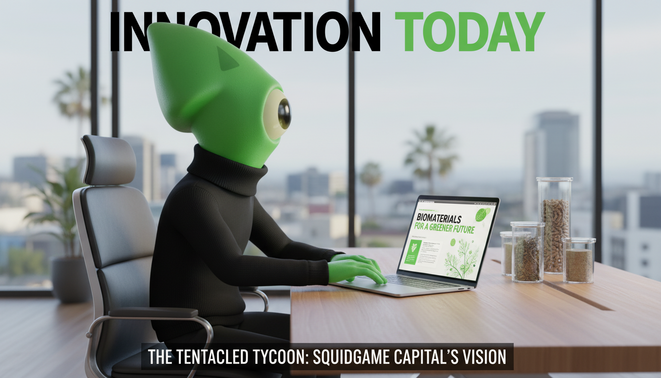
Navigating Startup Fundraising and Ecosystem Dynamics: Beyond the Silicon Valley Hype
Many founders chase the dream of building a billion dollar unicorn. However, the reality of Startup Fundraising and Ecosystem Dynamics often proves much harsher than the headlines suggest. Glitzy stories often hide the hard work needed to stay alive. For example, the journey of Vishal Vivek included facing 106 rejections before he secured seed funding. This grit shows what it really takes to build a company.
Therefore, we must look past the polished pitch decks and viral social media posts. Building a strong company requires more than just a clever idea. It demands a clear grasp of how money flows and how markets act. Consequently, success depends on both good plans and mental strength. Because the path is hard, founders should prepare for a long road.
This article explores the truth behind the venture capital world. We will examine why some firms thrive while others fail despite having great plans. As a result, you will gain a clear view of the current startup world. Ultimately, winning in this space means learning from every single rejection.
Startup Fundraising and Ecosystem Dynamics in the Agritech Sector
The Indian agritech sector shows a strange mix of high activity and low funding. Currently, there are over 4000 agritech companies in the country. However, this large number has not created a single unicorn yet. This lack of massive success relates directly to Startup Fundraising and Ecosystem Dynamics. In fact, the sector receives only 2 percent of all startup funding in India.
Building a business in biomaterials presents unique challenges for founders. They must deal with slow growth and complex supply chains. Therefore, staying resilient is the only way to survive. This struggle is visible in many agricultural initiatives across the region. According to official reports from NITI Aayog, sustainable growth requires long term planning.
Vishal Vivek proved this during his journey with his startup Ukhi. He aimed to create sustainable alternatives to single use plastic. Despite his noble goal, he faced 106 rejections from various investors. Eventually, he closed a 1.2 million dollar seed round after many months of effort. Persistence showed that grit matters more than initial luck.
He famously noted that “The rejections are not the obstacle : they are the curriculum.” This mindset is essential for anyone navigating the current market. Every “no” teaches a founder how to refine their pitch and business model. It turns failure into a valuable lesson for future growth. Consequently, success comes to those who keep moving forward.
Investors in this space look for more than just a good heart. As Vivek says, “Investors don’t fund emotion; they fund opportunities that happen to be led by passionate people.” Founders must focus on data and scalability to win. They can find more resources on official portals like Startup India. This knowledge helps them prepare for the long road ahead.
Success in agritech requires patience and a very strong will. Because the market is tough, founders should build solid foundations. Ultimately, the goal is to create lasting value for farmers and the planet. By focusing on depth rather than just speed, companies can thrive in the long run.

From Academics to Incubators: Shifting Startup Fundraising and Ecosystem Dynamics
Steve Blank teaches at Stanford University and offers a blunt critique of its current culture. He famously describes the university as an incubator with dorms. This shift significantly impacts Startup Fundraising and Ecosystem Dynamics because the focus has moved toward wealth creation. Many students now prioritize launching a company over their actual studies. Consequently, the academic environment feels more like a marketplace than a place of learning. You can learn more about this culture on the official Stanford University website.
Theo Baker explored this reality through his investigative reporting for the student newspaper. He documented the performance of ambition where the image of success matters more than the product. This behavior creates a disconnect between appearing like a leader and building a real business. Therefore, the campus environment can reward those who tell the best stories instead of those who solve hard problems. His work at The Stanford Daily eventually earned him a prestigious George Polk Award. This highlight shows that truth still matters in a world filled with hype.
The gap between perception and reality is quite startling when looking at the numbers. Steve Blank notes that while every founder believes they are a visionary, data suggests that 99 percent are not. This lack of true vision complicates Startup Fundraising and Ecosystem Dynamics for everyone involved. Investors must search through many pitches that lack real substance or depth. As a result, early stage funding may not reach the most deserving builders.
Because of this culture, the industry faces a crisis of authenticity. When hype rules the market, the entire ecosystem suffers from inflated expectations. Founders must focus on depth instead of just surface level appeal to survive. Ultimately, success requires more than just a fancy degree or a clever pitch. It requires solving real world issues with patience and genuine skill.
The Great Divide: Silicon Valley Hype vs. Ecosystem Realities
| Category | The Hype (Performative Ambition) | The Reality (Investor Resilience) |
|---|---|---|
| Funding Priority | Viral pitches and social media buzz | Strong unit economics and cash flow |
| Growth Strategy | Rapid expansion at all costs | Sustainable growth through deep value |
| Founder Persona | Performative visionary with elite degrees | Resilient builder with high grit |
| Industry Focus | General Tech and mass market apps | Niche Agritech and sustainable biomaterials |
CONCLUSION
In summary, the journey of an entrepreneur requires incredible persistence and focus. We have seen that resilience and depth are far more valuable than performative ambition. Therefore, while the glamorous side of startup culture attracts many people, only those with grit truly succeed. Because the path involves many challenges, you must prepare for a long effort. Consequently, every founder should prioritize real impact over surface level fame.
If you want to scale your business with efficiency, technology can help. Specifically, EMP0 (Employee Number Zero, LLC) is a US based company providing advanced AI and automation solutions. They offer specialized services like a Content Engine, Marketing Funnels, and Sales Automation.
Furthermore, EMP0 acts as a full stack, brand trained AI worker for your team. Additionally, this allows clients to multiply their revenue using secure and proprietary AI growth systems. You can explore their offerings and find more resources at articles.emp0.com. Ultimately, building a lasting brand requires the right tools and a steady mindset.
Emp0 ONLINE PROFILES
Website: articles.emp0.com
Blog: articles.emp0.com
Twitter / X: @Emp0_com
Medium: medium.com
Frequently Asked Questions (FAQs)
Why is agritech funding lower than other sectors in India?
Agritech companies often face slow growth and complex logistics issues. Because of this, venture capitalists often see higher risks in these business models. Currently, only 2 percent of funding flows into this space. This situation creates a difficult path for many rural entrepreneurs. You can find data on this at NITI Aayog.
How many rejections are normal for a seed round?
There is no single number for every founder. However, many successful leaders face dozens or even hundreds of refusals. For instance, Vishal Vivek experienced 106 rejections before his first win. This process helps founders understand market expectations and refine their pitch. Persistence is always a key factor in reaching a closing. Visit articles.emp0.com for more insights.
What did Steve Blank mean by “incubator with dorms”?
He was describing how universities now focus heavily on company creation. Students often treat their education like a startup launchpad. As a result, the academic focus shifts toward wealth rather than learning. This environment changes how founders view their early journey. It suggests that academics are becoming secondary to business ventures.
What is the difference between performative ambition and real vision?
Performative ambition focuses on looking successful to others. In contrast, real vision involves solving a deep and difficult problem. While many people believe they are visionaries, data proves that most are not. Understanding equity dynamics can also highlight these different priorities. Real vision requires a long term commitment to a specific goal. Explore more at emp0.com.
Why do investors prioritize depth over breadth in early stages?
Investors want to see that a founder truly understands their market. Solving one specific problem well is better than being average at many things. Consequently, narrow focus leads to better expertise and stronger results. Deep knowledge helps a company survive the initial hard years. Therefore, this approach helps with long term stability. You can see support for startups at Startup India.