
AI and Technological Innovation: The Shift from LLM+ to Specialized Hardware
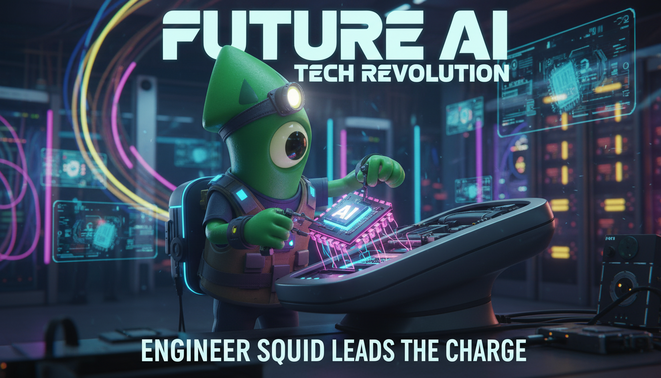
The world of tech is moving fast. We are seeing a massive surge in AI and Technological Innovation today. Most people know large language models from their browser windows. However, the industry is shifting its focus now. Therefore, we are moving away from general cloud based models. Instead, engineers are building specialized hardware for specific tasks. Because of this, physical devices bring artificial intelligence into the real world. This change marks a new era for consumer tech.
Recent funding news proves this momentum is real. For instance, the startup Era just raised 11 million dollars in total funding. This includes a 9 million dollar seed round led by Abstract Ventures and BoxGroup. Moreover, Era provides a platform that connects many models to various gadget forms. This intelligence layer allows creators to use multimodal inputs for their devices. Consequently, developers can create smart objects without building everything from scratch. As a result, the future of intelligence is becoming more tangible. We will see smart devices that do not rely solely on remote servers. Instead, they will use local processing and specialized chips to function better.
Building the Intelligence Layer for AI and Technological Innovation
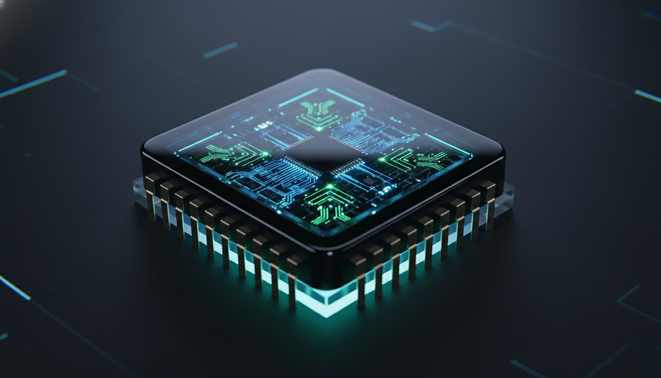
Modern hardware requires a deep intelligence layer to function effectively. This layer acts as a powerful Orchestration platform for different systems. Alex Ollman envisions a world full of intelligent objects that interact naturally. Consequently, developers need tools to connect software with physical sensors. We are seeing a shift where LLMs+ become part of everyday devices. Therefore, the intelligence layer bridges the gap between digital and physical.
The startup Era provides the backbone for this new tech wave. Their platform supports over 130 LLMs from more than 14 different providers. This vast range allows for incredible multimodal inputs on small devices. Furthermore, many teams are looking at how AI model compression and edge deployment disrupts industries. Moreover, investors like BoxGroup are funding new startups. These advances make specialized hardware more efficient for consumers.
The stakes in this hardware race are incredibly high. For instance, thousands of Samsung chip division employees are demanding profit shares. They want 15 percent of the operating profit from AI gains. This demand shows how valuable specialized chips have become. Additionally, new materials like glass substrates for AI chips are changing the manufacturing landscape. High performance hardware is now the primary goal for major tech firms.
Software is also evolving to meet these hardware needs. Developers often search for how AI agent development tools cut latency 80 percent to improve response times. Because fast processing is vital, companies invest heavily in local AI power. As a result, we will move away from slow cloud connections soon. New studies in Nature Energy even discuss the costs of power for such advanced tech. This evolution represents the true peak of AI and Technological Innovation.
Comparison Table: Cloud Based Intelligence vs. Specialized Edge Hardware
This table outlines the transition toward local processing. It highlights why AI and Technological Innovation require new hardware solutions.
| Feature | Cloud Based AI | Specialized Edge Hardware |
|---|---|---|
| Latency | High lag from remote servers | Ultra low local processing |
| Data Privacy | Higher risk during transport | Secure on device storage |
| Customization | General purpose LLM models | Specific chips for one task |
| Power Efficiency | Massive data center energy | Low power for mobile use |
Disrupting Industries with AI and Technological Innovation
The current wave of AI and Technological Innovation touches every sector today. Tech leaders are moving beyond simple text generation now. Instead, they use specialized hardware to solve physical problems. This change requires complex model orchestration to succeed. Because of these tools, we see breakthroughs in sports and energy. Consequently, the boundary between digital logic and physical action is vanishing quickly. Modern companies invest heavily in these new systems to stay ahead.
Sony AI recently demonstrated the power of reinforcement learning. Their system defeated elite human ping pong players for the first time. This feat required massive processing power and low latency. Because the game is fast, the AI needs instant feedback loops. Therefore, specialized chips allow the system to react in milliseconds. This success shows how robotics can master complex human skills through training.
Medical technology benefits greatly from specialized intelligence as well. For example, rapid DNA analysis identified victims of the Maui fires. This identification happened within a few hours of the event. Previously, such tasks took much longer in a laboratory setting. Consequently, the speed of local hardware saves time during crises. This application shows the importance of portable and fast diagnostic tools for emergency teams.
The energy sector also looks toward advanced intelligence for solutions. A new study in Nature Energy analyzes fusion power today. It focuses on the experience rate of the technology. Researchers suggest that fusion might remain expensive for a while. However, constant innovation in materials and orchestration could lower costs eventually. Therefore, data driven models are essential for the future of nuclear research.
These diverse examples show a clear pattern in modern engineering. Specialized hardware and software orchestration accelerate discovery across all fields. Whether in sports or energy, efficiency remains the primary goal. Therefore, the integration of intelligence into devices is crucial for growth. This trend will define the next decade of industrial success. Professionals must adapt to these changes to stay competitive in the market.
CONCLUSION
The future of intelligence lies in specialized hardware centric solutions. This transition marks a departure from general cloud based systems. Because technology changes fast, companies need local processing power now. Therefore, specialized chips provide the efficiency required for modern tasks. This shift represents the true potential of AI and Technological Innovation. As a result, businesses must adapt their infrastructure to stay competitive.
Employee Number Zero, LLC, is here to guide your business through these changes. We are a US based provider of AI and automation solutions. For example, we offer a Content Engine and Sales Automation. Furthermore, our Revenue Predictions help you plan for long term success. EMP0 acts as a full stack and brand trained AI worker for your team. Consequently, you can scale your growth with our automated systems.
Our team focuses on building AI powered growth systems for every modern industry. Because we understand the evolving market, we provide tailored tools for your specific needs. Therefore, you can achieve better results with much less effort. Visit our website at emp0.com to learn more about our services. You can also explore our blog at articles.emp0.com for more insights. Follow our latest updates on Twitter at twitter.com/Emp0_com. Finally, read more of our professional work on Medium at medium.com/@jharilela.
Frequently Asked Questions (FAQs)
What is the intelligence layer?
An intelligence layer is a vital orchestration platform for modern tech. It connects complex software models to physical hardware devices. Because of this, gadgets can process multimodal inputs effectively. Consequently, developers can build smart objects more easily today. Therefore, it bridges the gap between cloud logic and local action.
What is the significance of the Era platform?
Era offers a platform that supports over 130 LLMs from 14 providers. This variety is crucial for AI and Technological Innovation. It allows creators to choose the best model for their specific gadget. Because of this flexibility, hardware startups can innovate much faster. Therefore, Era provides the foundation for the next generation of smart devices.
What is the role of fusion power in AI infrastructure?
Fusion power represents a potential future energy source for heavy computing. A study in Nature Energy explores its experience rate and costs. While currently expensive, it could provide sustainable power for massive data centers. High performance hardware requires significant electricity to function. Therefore, energy innovation is tied closely to technical growth.
Why are Samsung employees demanding AI related gains?
Samsung chip division workers want 15 percent of the operating profits. They believe their work on AI chips creates massive value for the firm. Because specialized hardware is in high demand, profits have surged. Employees argue they deserve a fair share of these financial wins. This situation highlights the high stakes in the semiconductor industry.
How does specialized hardware improve latency?
Specialized hardware processes data locally on the device itself. Therefore, it does not need to send information to a remote server. This local execution reduces the time it takes to get a response. Consequently, systems like Sony AI can react instantly in real world scenarios. Low latency is essential for applications like robotics and gaming.