

The Hidden Dangers of Two Tier Equity Valuation in Tech
Startup financing is entering a strange and risky new era. Modern founders are now experimenting with a concept called two tier equity valuation to boost their public profile. This strategy allows a single funding round to host two different prices for the same stock. One group of investors pays a low price while another group pays a much higher price. Because this tactic creates a massive headline number, it looks like a huge success on paper. However, this complexity hides significant dangers for everyone involved in the deal.
The true blended price of the company is often far lower than the public figure. As a result, the venture capital world is watching these moves with deep skepticism. Early employees and founders often face traps because of valuations they cannot sustain. Therefore, a single mistake could lead to a punitive down round that wipes out years of hard work. If the market shifts, these fragile structures might crumble under their own weight.
This analytical look explores why companies like Aaru and Serval chose this path. We will examine the hidden risks of chasing extreme unicorn status through pricing tricks. While some see it as a clever market signal, others view it as bubble like behavior. Many analysts worry that these structures create a false sense of security for teams. Investors must understand the math before joining such an oversubscribed round. Only then can they navigate the high stakes of modern private markets.
Understanding the Mechanics of Two Tier Equity Valuation
A two tier equity valuation occurs when a startup sells shares at two distinct prices within the same funding event. Usually, a lead investor negotiates a lower entry price for a large portion of their capital. Then, they allow other participants to buy in at a much higher price point. This structure often appears in oversubscribed rounds where demand for shares is extremely high. Consequently, the company can announce a massive headline number to the press by using these valuation tiers.
According to reports from TechCrunch, this practice is becoming more common in competitive markets. Because investors want access to hot startups, they accept these unusual terms. However, the complexity can lead to confusion regarding the actual worth of the business. Therefore, the market signal sent by a high price might be misleading to future backers.
Real World Examples of Two Tier Equity Valuation
The tech world saw this clearly with Aaru during its Series A financing. Redpoint Ventures acted as the lead investor and secured a deal at a 450 million dollar valuation. However, the round also included a smaller investment tranche at a 1 billion dollar valuation. Other venture capital firms joined the cap table at that higher price to guarantee their participation. Even though the public heard about a unicorn, the math was much more complex.
Serval followed a similar pattern during its 75 million dollar Series B round. Sequoia Capital entered the deal with a low price of 400 million dollars. Yet, the official news reported a 1 billion dollar unicorn valuation. Because of these splits, the true blended valuation is significantly lower than the public figure. Furthermore, this tactic allows the lead investor to average down their cost while the startup gains prestige.
Characteristics of Tiered Funding Structures
- Price Splitting. A single round features two different prices for identical shares.
- The Blended Valuation. The actual average price per share is lower than the top tier price.
- Lead Investor Advantage. The main backer often gets the best deal to anchor the round.
- FOMO Dynamics. Secondary investors pay a premium just to access high demand deals.
Startups use these methods to signal strength to the market. Consequently, they might attract more talent or bigger partners. But analysts at TechCrunch warn that these numbers are often misleading. Founders must be careful when managing their cap table under such conditions. Furthermore, they must ensure that all stakeholders understand the long term risks.
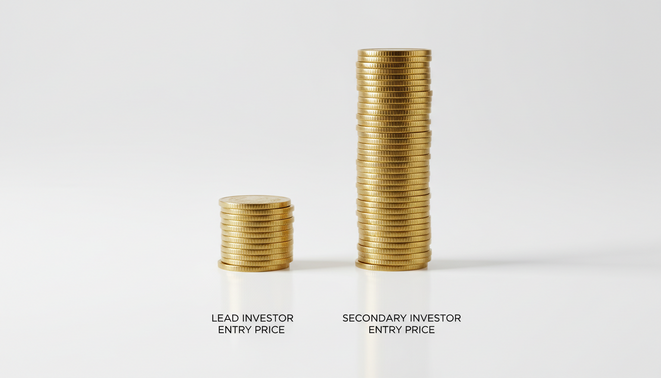
The Structural Hazards of Two Tier Equity Valuation
Using two tier equity valuation creates a fragile foundation for future growth. While the high headline number looks impressive, it sets a very high bar for the next round. If the company does not meet aggressive targets, it faces a painful down round. Such a correction often leads to massive ownership dilution for the original founders. Therefore, the short term prestige of unicorn status comes at a heavy price. According to TechCrunch, these structures are becoming a trend in competitive deals.
The High Wire Act of Unicorn Pricing
Many industry experts view these tactics with extreme caution. One expert warns that if you put yourself on this high wire act it is very easy to fall off. This statement highlights how thin the margin for error becomes when prices are inflated. Because the valuation is artificial, any market dip can cause a total collapse in confidence. Consequently, investors who paid the top price might feel cheated when reality sets in. Analysts at Forbes suggest that true value is found in consistent growth.
Flaws in the Airline Pricing Analogy
Some defenders compare these deals to airline tickets where different seats have different prices. However, critics argue that you cannot sell the same product at two different prices. One expert noted that only airlines can get away with this because seats are perishable goods. Equity is a long term asset and should reflect a consistent value for all holders. Using this airline pricing analogy in venture capital often signals bubble like behavior.
Impact on Venture Capital Competition
Extreme venture capital competition in the private markets drives these unusual deal structures. VCs often use high headline numbers to scare away rivals from backing competitors. While this helps the lead investor dominate a sector, it creates an unhealthy environment. High prices make it difficult for new backers to join later without seeing a drop in value. As a result, the startup might struggle to raise capital when the hype dies down.
Erosion of Trust and Transparency
Transparency is vital for maintaining a healthy relationship between founders and their backers. When a company uses different price tiers, it can obscure the true health of the business. Future investors might see these moves as a sign of desperation rather than strength. Therefore, maintaining a clean cap table is usually a better path for sustainable success. Trust is hard to rebuild once a punitive down round occurs in the public eye.
Comparison of Startup Financing Rounds Using Two Tier Valuation
This table highlights how different companies apply tiered funding structures to their advantage. Additionally, it shows the gap between the lead investor entry price and the public figure. Specifically, Aaru used this method to maintain its unicorn status despite a lower blended math. This strategy can deter competitors while attracting top talent to the team. Furthermore, Serval followed a similar path during its Series B round to secure its position. Consequently, these deals provide a roadmap for understanding modern venture capital competition. Indeed, founders must weigh the benefits of a high valuation against the risk of future dilution. Maintaining a clean cap table is often better for long term stability. Therefore, transparency with all stakeholders remains a vital part of a healthy startup ecosystem.
| Company | Round Type | Lower Tier Valuation | Higher Tier Valuation | Lead Investors | Key Notes |
|---|---|---|---|---|---|
| Aaru | Series A | 450 Million Dollars | 1 Billion Dollars | Redpoint Ventures | The firm split capital between pricing levels. Other firms paid more to enter the deal. |
| Serval | Series B | 400 Million Dollars | 1 Billion Dollars | Sequoia Capital | Lead entry price was the lowest in the round. The headline number stayed at unicorn status. |
CONCLUSION
The emergence of two tier equity valuation structures marks a significant shift in private market dynamics. While these methods offer a clever way to maintain unicorn status, they create a fragile foundation for future success. Founders must be careful not to trap themselves with valuations they cannot eventually justify. Therefore, transparency with early employees and investors remains a vital component of sustainable growth. Chasing a high headline number might provide a temporary boost, but it often leads to a painful down round later.
Investors and startups alike should focus on building robust business models instead of relying on pricing tricks. Furthermore, maintaining a clean cap table ensures that the company stays attractive to long term backers. Navigating these complex financial strategies requires deep expertise and the right technological tools. This is where EMP0 provides a crucial advantage for modern tech leaders. Their innovative AI powered growth systems help businesses scale safely and efficiently in a competitive landscape.
To learn more about secure scaling strategies, you should explore the latest insights on their blog. They also share automated solutions and workflows on n8n for creators and founders. By utilizing these resources, businesses can avoid the risks associated with inflated valuations and opaque deal structures. Together, we can ensure that the next generation of tech leaders prioritizes real value over public prestige. The path to success is much safer when you have a reliable partner guiding your journey.
Frequently Asked Questions About Two Tier Equity Valuation
What exactly is a two tier equity valuation in startup finance?
A two tier equity valuation occurs when a single funding round features two different share prices. This structure typically allows a lead investor to buy in at a lower valuation. Meanwhile, other participants pay a much higher price to secure a spot. Consequently, the company can announce a massive headline figure to the press. Moreover, this approach creates a complex cap table for the business.
Why do lead investors choose to use valuation tiers?
Lead investors use these tiers to lower their average cost of entry. By negotiating a cheaper price for a large portion of their capital, they mitigate risk. Furthermore, they can help the startup achieve a unicorn headline that attracts attention. This tactic is especially common in oversubscribed rounds with high demand. In addition, it serves as a powerful market signal to competitors in the industry.
What are the primary risks of using a tiered valuation structure?
The most significant risk is the potential for a punitive down round in the future. If the startup fails to grow into its inflated headline price, confidence will collapse. Additionally, these structures can cause massive ownership dilution for the founders and early employees. Because the math is artificial, it creates a high wire act for the management team. However, investors may also lose trust if they feel the pricing was misleading.
How does this approach impact the actual value of a startup?
This method creates a gap between the public headline number and the true blended valuation. While the press reports a billion dollar figure, the actual average price is much lower. As a result, the company might struggle to maintain this perceived value during future fundraising events. It also complicates employee stock options because the exercise price might be set too high. Therefore, the long term health of the business becomes harder to manage.
How can founders prepare for a round involving two tier equity valuation?
Founders must conduct deep due diligence on the long term impact of tiered pricing. They should consult with legal and financial experts to understand how it affects their cap table. Additionally, maintaining transparency with all stakeholders is vital for building trust. Moreover, they must also ensure that their growth targets are realistic enough to support the high headline price. Finally, focusing on sustainable revenue is the best way to handle these deals.