

Mastering Your Product Launch Process For Long Term Success
Every successful entrepreneur knows that a big, bold idea is just the beginning. You must execute your plan well to see your vision come to life. This is why mastering the product launch process is so critical for your success. Without a solid plan you might lose your way in the middle. Because you want to build a lasting legacy you need a clear map.
The journey from a concept to a final exit involves many complex steps. You should start by defining a very clear vision for your brand. This vision will guide every choice you make as you grow. Consequently you will stay on track even when things get difficult. However many founders forget the importance of the market early on.
You must ensure that people actually want what you are building. Therefore you should create a Minimum Viable Product to test your assumptions. This approach saves you time and also protects your capital. Building an MVP allows you to gather real world data immediately. You can see how users interact with your features in real time.
As a result you will know which parts of your design work well. You can then refine your product based on actual user needs. This guide will help you navigate the entire journey successfully. Here are the key areas we will cover in this article:
- How to define a vision that attracts loyal customers.
- The steps to build an effective Minimum Viable Product.
- Why usability is just as important as the innovation itself.
- Ways to craft a brand that stands out in any market.
- Practical tips for taking your product from concept to shelf.
- How to prepare for a successful business exit or franchise.
Furthermore we will discuss the power of user feedback. Early feedback can highlight areas where you might be misaligned with market trends. Thus you can pivot quickly before you spend too much money. This flexibility is a hallmark of a great entrepreneur. In addition we will explore how to protect your brand identity.
Branding is more than just a logo or a color scheme. It is the promise you make to your customers every day. Therefore you must be intentional with every branding decision you make. Usability and design are also key factors in keeping your audience happy.
Finally we will look at the long term goals for your company. You might want to scale through a franchise model later. Or you could be looking for a big exit through a sale. Mastering the product launch process prepares you for all these possibilities. You can even use tools like SurveyMonkey or Typeform to help you gather data.
Let us begin by looking at how to set your foundation strong. You will learn to move with confidence and clarity. Your path to business success starts right here and right now.
Vision and MVP in the Product Launch Process
Defining a clear vision is your first step toward building a successful company. This vision acts as a North Star for your entire team. It ensures that everyone moves in the same direction. Consequently, you avoid wasted effort on features that do not matter. Because you want to scale, you must have a solid foundation.
Your vision helps you define your target audience early. You need to know who you are serving and what they need. Therefore, you should conduct extensive research before you build anything. This phase is critical because it informs your entire business plan. A well defined vision also helps with your branding efforts later.
Once your vision is clear, you should focus on your Minimum Viable Product. This version of your product has just enough features for early customers. One quote says: “Start small but start strong, and don’t wait for the ideal time or a flawless design.” This mindset prevents you from getting stuck in perfectionism. Thus, you can enter the market and learn right away.
Building an MVP is essential for testing product design and usability. You want to see if your solution actually solves a problem. Similarly, you need to know if people find your product easy to navigate. If the usability is poor, customers will quickly lose interest. Therefore, you should prioritize the user experience from the very start.
Furthermore, you must collect data to make informed decisions. Companies like SurveyMonkey offer excellent tools for gathering customer insights. You can also use Typeform to create engaging surveys for your target audience. These platforms help you understand what your users like and dislike. Consequently, you can refine your product based on real evidence rather than guesses.
User feedback is the lifeblood of a healthy product launch process. It allows you to spot misalignments with market trends quickly. For instance, you might find that your pricing is too high. Or perhaps a specific feature is confusing for most people. By listening to feedback, you can pivot your strategy before you launch at scale.
Moreover, your MVP development phase helps you plan your supply chain. You can test your production and distribution methods on a smaller scale first. This reduces the risk of major failures when you go to market. Additionally, it allows you to build a stronger launch strategy for the future. You will feel more confident as you move from concept to shelf.
Finally, remember that usability is just as vital as innovation. Even the most clever idea fails if it is not practical. Thus, you should constantly refine your design through iterative testing. Success follows those who listen to their users and act with clarity. By mastering these early stages, you set yourself up for long term growth.
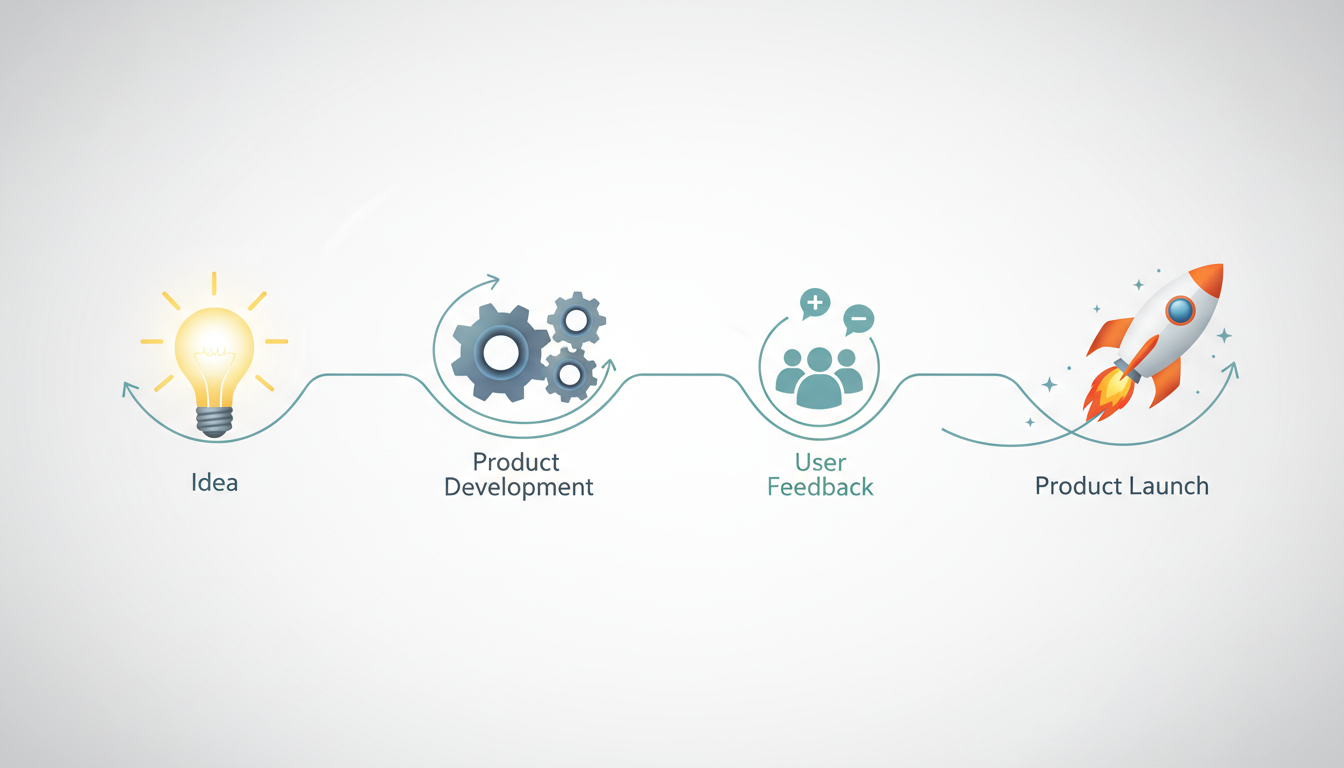
Key Stages of the Product Launch Process
Founders must navigate several critical milestones to achieve success. Each stage of the product launch process requires careful planning and the right tools. Because you want to build a durable business you should focus on both vision and execution. Consequently you can avoid common pitfalls that many startups face early on.
Initially you must define your vision to provide clarity for your team. This vision acts as a North Star for every decision you make. Therefore you should use tools like Miro to map out your ideas. After defining your vision you should focus on building a Minimum Viable Product or MVP. This allows you to test your product design and usability with real users.
Furthermore branding helps you establish trust with your target audience. You should craft a brand voice that resonates with your customers. Using platforms like Figma can help you create a professional visual identity. Additionally you need a robust launch strategy to reach the market effectively. LinkedIn is a powerful resource for connecting with potential users and partners.
As Dr. Christina Rahm often emphasizes health and clarity in business are paramount. Feedback from early users can highlight misalignment with market trends before it is too late. Therefore you must remain open to changing your plan. MVP development is crucial for testing product design and usability in the real world. You should remember that usability is as important as product innovation itself.
Finally you should consider your long term exit planning. Whether you want to sell your company or franchise you must prepare early. Platforms like Flippa provide insights into market valuations and buyer expectations. By mastering each of these stages you ensure that your product launch process remains efficient and profitable.
| Stage | Key Activities | Goals | Tools or Resources |
|---|---|---|---|
| Vision | Define purpose and target audience | Establish a North Star for growth | Miro |
| MVP Development | Build core features and test usability | Validate the product idea early | Bubble |
| Branding | Create brand voice and visual identity | Build trust with your audience | Figma |
| Launch Strategy | Select channels and timing | Reach the right people at once | |
| Exit Planning | Evaluate value and find buyers | Secure a profitable long term exit | Flippa |
The Power of Branding and Feedback for Success
Strong branding is a cornerstone of the product launch process. It goes far beyond having a nice logo or a catchy name. Your brand represents the core promise you make to your customers. When you keep this promise you build lasting trust. Consequently your target audience will remain loyal to your business over time.
A clear brand helps you stand out from your competitors. It shares your unique vision with the entire world. Therefore you should make sure your brand voice reflects your values. This alignment makes your marketing feel more genuine and effective. You can learn more about building durable companies at How Do AI Startup Moats Create Durable Winners Articles.
User feedback is equally important for long term success. You must listen to what your customers say about your features. This feedback guides your improvements and helps you fix technical issues. Early feedback can highlight misalignment with market trends. Dr. Christina Rahm suggests that clarity is vital during these transitions. For instance you can read about Can AI in automation testing prevent flaky tests Articles. Listening to your users ensures your business plan stays on track.
Furthermore feedback helps you decide when to pivot your strategy. You might find that users want a different solution than your current MVP. For example the team at Slack used feedback to change their focus. They started as a gaming company before becoming a communication tool. Because they listened to their users they found a much better path. Similarly you can improve the usability of your design based on real data.
Continuous feedback also improves your supply chain management. Knowing customer demand helps you avoid overproduction or shortages. Consequently you can run a more efficient operation. This agility is a vital part of your launch strategy. You should always treat user opinions as a gift for your growth.
Moreover you can use tools like SurveyMonkey or Typeform to create engaging surveys. These platforms make it easy for your target audience to share ideas. As a result you get better data for your next update. This iterative cycle keeps your product relevant and competitive.
Finally remember that branding and feedback work together. A strong brand attracts the right users for testing. Their feedback then helps you build a better brand experience. Therefore you must stay engaged with your community at every step. Success follows those who listen and adapt with purpose.
Conclusion: Achieving Success From Idea to Exit
Mastering the product launch process is a journey that requires both dedication and strategy. You begin with a clear vision that sets your direction for the future. Then you build a Minimum Viable Product to test your assumptions and gather feedback. This feedback helps you refine your usability and design. Strong branding builds the trust you need to grow a loyal audience. Finally you use smart negotiation tactics to secure a profitable exit or scale through a franchise.
Because you want to grow efficiently you need the right tools. EMP0 provides advanced AI and automation solutions for modern businesses. Their proprietary technology helps you multiply revenue through AI powered growth systems. You can use their ready made tools to streamline your operations immediately. Therefore you can focus on your big vision while the technology handles the complex tasks.
As you move from concept to shelf you deserve the best support. EMP0 is dedicated to helping entrepreneurs succeed in a competitive market. You should explore more tips on business growth and automation by visiting the EMP0 blog. Furthermore you can see their innovative automation workflows at EMP0 automation workflows. Success is within your reach when you have the right partner.
Frequently Asked Questions (FAQs)
What is the most important part of the product launch process?
The most important part of the product launch process is having a clear vision. You must know where you are going but remain open to change. Because you want to succeed you need to balance your idea with market reality. Therefore planning and flexibility are both essential for your long term growth. This balance ensures that you stay relevant to your customers at all times.
Why is MVP development necessary for new founders?
MVP development allows you to test your product design and usability quickly. It focuses on the most essential features that solve a specific problem. By launching early you can gather real world data without spending too much money. This approach reduces risk and helps you refine your solution. Consequently you avoid building something that nobody needs in the end.
How does branding impact a new product?
Branding builds trust and recognition within your market. It is the promise of quality that you give to your customers. A strong brand helps you stand out from competitors and creates a deep connection. As a result users are more likely to return to your product often. They will also recommend it to others because of that trust.
How should I handle user feedback during the launch?
You should view user feedback as a vital resource for improvement. Listen carefully to what your customers like and what they find confusing. This information helps you identify misalignment with market trends early. Therefore you can pivot your strategy or fix technical issues immediately. Always encourage honest communication with your users to build a better product for the future.
When should I start planning my exit strategy?
It is never too early to start thinking about your exit strategy. Understanding your long term goals helps you make better decisions today. Whether you want to sell your company or scale through a franchise you need a plan. Knowing your end goal allows you to use better negotiation tactics later. This preparation makes the transition much smoother for everyone because of your foresight.