

Building Dependable AI: From Chaotic Bot to Reliable Teammate
In our fast paced digital world, automation is no longer a luxury; it is a necessity. However, when AI systems fail during critical moments, the consequences can be significant. This makes reliable AI agentic automation more important than ever. This article introduces a powerful solution: OpenAI Swarm multi agent incident response and prompt chaining for structured LLM workflows. We will demonstrate how to build systems that are not just intelligent but also dependable and predictable, transforming your AI from a chaotic generator into a reliable teammate.
The Challenge of Unpredictable AI
Large language models are incredibly powerful tools. Yet, they can also be unpredictable. Relying on a single, monolithic LLM to handle a complex process like incident response is often a recipe for chaos. The model might miss a crucial step, misinterpret context, or generate an unreliable output. This inherent lack of structure makes it difficult to trust AI with high stakes operations. Therefore, you need a better approach to create production grade AI workflows that you can count on.
The solution is to adopt a microservices mindset. Instead of one model doing everything, we use a team of specialized agents. A multi agent system shines in this context. Each agent has a specific role, such as a triage specialist, an SRE engineer, or a communications manager. They collaborate by passing information along a structured path. To manage this workflow, we use a technique called prompt chaining. This method turns a complex process into a predictable and automatable assembly line, ensuring each step is completed successfully before the next one begins.
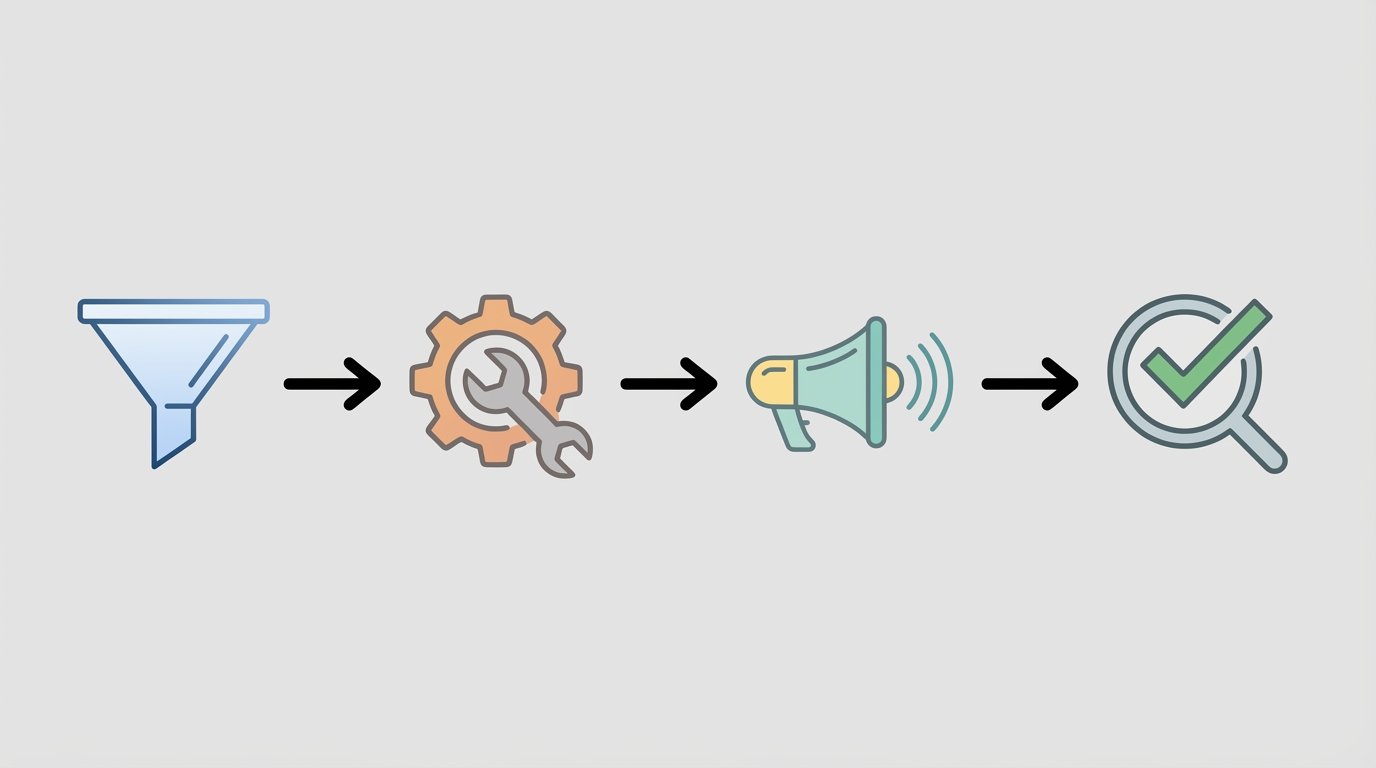
Inside the Hive: The Components of an OpenAI Swarm
The strength of the OpenAI Swarm system lies in its division of labor. Instead of a single model attempting to handle everything, a team of specialized agents collaborates to resolve incidents efficiently. Each agent has a distinct purpose, and together they form a cohesive and reliable unit. This multi agent system is designed to run in environments like Google Colab, making it accessible and practical for real world applications.
Agents in the OpenAI Swarm Incident Response Workflow
The orchestration of these agents creates a structured and predictable process. This is where the true power of OpenAI Swarm multi agent incident response and prompt chaining for structured LLM workflows becomes clear. As the saying goes, “Prompt Chaining is the fix.” It transforms a potentially chaotic process into a manageable assembly line. The key components include:
- The Triage Agent: This agent acts as the first responder. It receives the initial alert, analyzes its urgency and nature, and gathers preliminary information. Its primary job is to decide the severity of the incident and route it to the correct specialist, preventing noise and ensuring important issues get immediate attention.
- The SRE Agent: The Site Reliability Engineering agent is the technical problem solver. This is a powerful example of tool augmented agents at work. It dives deep into the issue, leveraging an internal knowledge base with token based retrieval to find relevant context and historical data. It then formulates and evaluates potential mitigation strategies, ranking them by confidence and risk.
- The Communications Agent: Once the SRE agent has a plan, the communications agent takes over. Its role is to translate technical jargon and complex solutions into clear, concise language suitable for status pages, stakeholder emails, or internal updates. This ensures everyone stays informed without needing to understand the underlying technical details.
- The Critic Agent: Before any plan is finalized or any communication is sent, the critic agent provides a vital quality check. It reviews the outputs from the other agents, identifying potential flaws, logical gaps, or unclear statements. This refinement step is crucial for maintaining accuracy and preventing errors.
- Handoff Mechanisms: The workflow is held together by explicit handoff functions. These are not just simple data transfers; they are structured prompts that pass control and context from one agent to the next. This ensures a seamless transition, where the output of one agent becomes the precise input for the next, forming a resilient and predictable chain.
The Toolbox for Building a Multi-Agent System
Building a robust multi agent system requires more than just the agents themselves. A variety of platforms and tools come together to create a seamless and effective workflow. Below is a comparison of the key components used in our OpenAI Swarm incident response system.
| Tool/Platform | Purpose/Use | Strengths | Typical Application in Workflow |
|---|---|---|---|
| OpenAI Swarm | Framework for creating multi agent systems. | Specialized agents, structured collaboration. | Core orchestrator of the entire incident response process. |
| Google Colab | Cloud based notebook for running the system. | Easy setup, secure secret management, GPU access. | Hosting and executing the Python code for the agent workflow. |
| LangChain | Framework for LLM application development. | Simplifies prompt management and chaining. | Building the underlying structure for agent interactions. |
| Redis | In memory data store for fast access. | High speed, ideal for caching temporary data. | Caching knowledge base content to accelerate agent retrieval. |
| Postgres | Relational database for structured data. | Robust, reliable for long term data storage. | Storing incident logs and persistent knowledge base articles. |
| Notion | Collaborative workspace for documentation. | Flexible, user friendly interface. | Serving as a knowledge base or destination for incident reports. |
| Google Docs | Collaborative document editor. | Real time editing, version control. | Drafting and sharing incident communications or post mortems. |
From Prototype to Production: Orchestrating Reliable AI
Moving an AI system from a creative prototype to a dependable, production grade workflow requires a fundamental shift in mindset. It is not enough for an LLM to be clever; it must be predictable, testable, and reliable. This is where the true value of a well designed multi agent system becomes apparent. By adopting a microservices mindset, we treat each agent as a specialized component with a clear contract: one input, one output, and one specific job to do. This approach prevents the chaos of a single, monolithic model and builds a system that is robust and easy to debug.
The Power of Structured LLM Workflows
The core of this reliability comes from the orchestration pipeline in our OpenAI Swarm multi agent incident response and prompt chaining for structured LLM workflows. The process runs in a deliberate sequence: triage, specialist reasoning, and critical refinement. Each stage has a defined goal, and its output is validated before being passed to the next agent. A key element in this process is the enforcement of structured outputs. Instead of allowing free form text, agents are required to produce predictable formats like JSON. This ensures that the data passed between agents is consistent and machine readable, making the entire workflow automatable and less prone to errors.
Furthermore, the system’s intelligence is enhanced by a lightweight internal knowledge base. Using token based retrieval, the SRE agent can quickly surface relevant context, historical incident data, and documentation. This allows it to make informed decisions without needing to be retrained on new information constantly. The practical application of these technologies is not just theoretical. It resonates with a large and growing community of AI practitioners. For example, platforms like Marktechpost Media Inc. see over 2 million monthly views and host a vibrant ML SubReddit with more than 100,000 members. This shows a clear demand for production ready AI solutions that are both powerful and dependable.
Conclusion: Building the Future of Reliable AI Automation
In conclusion, the journey from a chaotic text generator to a dependable AI teammate is not only possible but essential for modern automation. We have explored how OpenAI Swarm multi agent incident response and prompt chaining for structured LLM workflows provide the framework for building such systems. By breaking down complex tasks and assigning them to specialized agents like triage, SRE, and communications, we create a predictable and transparent process. This microservices approach, combined with structured outputs and clear handoff mechanisms, transforms AI into a reliable asset for critical operations.
Putting these principles into practice is what we do at EMP0 (Employee Number Zero, LLC). As a US based company, we specialize in creating advanced AI and automation solutions with a strong focus on sales and marketing automation. Our mission is to multiply your revenue by designing and deploying secure, AI powered growth systems. We build the tools and workflows that turn powerful concepts into practical business advantages. To see more examples of how we build production grade automation, explore more articles and insights on our blog at our blog.
Frequently Asked Questions (FAQs)
What is the primary advantage of a multi agent system like OpenAI Swarm?
The main benefit is specialization and reliability. Instead of one large model trying to do everything, a multi agent system divides a complex task among several specialized agents. Each agent has a single responsibility, making its behavior more predictable and its performance easier to test and validate. This microservices approach reduces errors and prevents the chaotic, unpredictable outputs often seen with monolithic LLMs, resulting in a more robust and dependable workflow.
How does prompt chaining actually work?
Prompt chaining is a workflow design technique where the output of one AI agent becomes the direct input for the next. Think of it as an assembly line. Each prompt represents a specific step or station. The first agent completes its task and generates a structured output, like JSON, which is then passed to the next agent as its starting instruction. This ensures a logical, sequential flow of operations, reduces the cognitive load on each agent, and makes the entire process predictable and automatable.
What makes this system production grade?
A system is considered production grade when it is reliable, predictable, and maintainable. The OpenAI Swarm workflow achieves this through several key features. It uses specialized agents for a clear division of labor, enforces structured outputs like JSON for consistency, and includes a critic agent for quality control. Furthermore, explicit handoff mechanisms ensure that context is passed accurately between agents. This structured approach makes the system easier to debug, monitor, and scale in a live operational environment.
Can I use my own internal documents as a knowledge base?
Yes, absolutely. The system is designed to integrate with an internal knowledge base using a technique called token based retrieval, often part of a Retrieval Augmented Generation architecture. You can connect it to data sources like Notion, Google Docs, or a Postgres database. The SRE agent queries this knowledge base to pull relevant, up to date information for its analysis, allowing it to reason based on your specific internal documentation without needing constant retraining.
What is the biggest challenge when implementing an agentic workflow?
The biggest challenge is often in the design phase: clearly defining each agent’s role and the handoff criteria between them. It requires a shift from writing a single, complex prompt to designing a complete workflow. You must carefully map out the process, specify the exact input and output for each agent, and plan for potential failure points. While tools like LangChain simplify the technical implementation, the initial strategic planning is crucial for building a successful multi agent system.