

Unlocking a New Era: GitHub Copilot Persistent Memory for Repository Level Context
The world of software development is changing at an incredible pace. Artificial intelligence is no longer a futuristic concept but a daily partner for many developers. AI native tools have moved from simple autocompletion to sophisticated coding assistants. These assistants understand our code on a deeper level. At the forefront of this revolution is GitHub Copilot. It has consistently pushed the boundaries of what an AI partner can do.
Now, a groundbreaking feature is set to redefine our workflow entirely. We are talking about the new GitHub Copilot persistent memory for repository level context. This innovation is more than just a minor update. It represents a fundamental shift in how AI assistants interact with our projects. Imagine an assistant that not only sees your current code but also remembers every interaction within your repository. It learns from your past edits, your feedback, and your unique coding style.
As a result, GitHub Copilot can now offer incredibly accurate and contextually rich suggestions. This persistent memory allows it to understand the history and architecture of your entire project. Consequently, it transforms both code generation and code review processes. This article will explore how this new capability works. We will also examine the profound impact it has on developer productivity and code quality. Join us as we dive into the future of AI assisted coding.
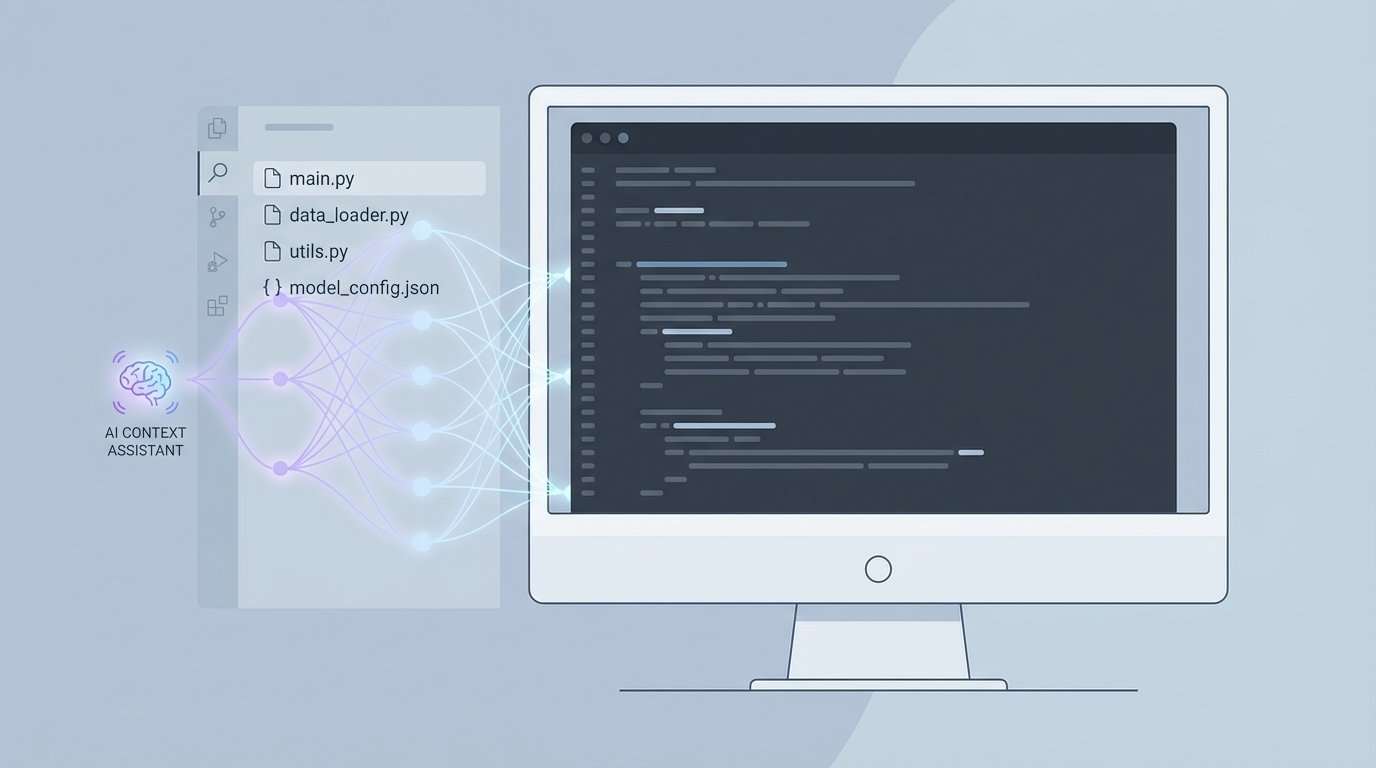
How Persistent Memory Transforms the AI Coding Assistant
At its core, the new GitHub Copilot feature introduces a sophisticated layer of memory to the AI coding assistant. But what exactly is persistent memory, and how does it function? In simple terms, it is the ability of the AI to retain information about a specific codebase over time. This creates a deep understanding that goes far beyond the immediate file you are editing. The system builds this knowledge base by analyzing the entire repository. It learns from a wide array of accumulated developer interactions. This includes everything from initial commits and pull requests to bug fixes and even discussions in code reviews.
Building Repository Level Context
The true power of this technology lies in its ability to create a comprehensive repository level context. Older AI assistants had a very limited attention span. They mostly focused on the open file and a few related tabs. However, with persistent memory, GitHub Copilot constructs a dynamic map of your whole project. It understands how different modules connect with each other. It recognizes your team’s established coding patterns and even the preferred libraries you use. This map is not static; it constantly updates with every new developer interaction. As a result, the assistant evolves alongside your project, becoming a more intelligent and integrated partner in the development process. For a deeper look into the models, GitHub’s blog provides excellent resources on their AI’s evolution, which you can read about here: GitHub Copilot X: The AI-Powered Developer Experience.
The Impact on Code Suggestions and Reviews
This deep context has a direct and powerful impact on daily coding tasks. The quality of code suggestions improves dramatically. Instead of offering generic snippets, the AI provides code that feels like it was written by a senior developer on your team. It adheres to your project’s specific style guidelines and architectural decisions. Consequently, this means less time spent refactoring and more time building new features.
Furthermore, the code review process becomes much more efficient. The AI coding assistant can now participate in reviews with a full understanding of the project’s history. It can identify potential conflicts with other parts of the codebase that a human reviewer might miss. It can also point out deviations from established patterns, helping to maintain code quality and consistency across the entire repository. This elevates the assistant from a simple tool to a genuine collaborator.
Comparing the Titans: AI Developer Tool Showdown
To better understand the landscape of AI native developer tools, it helps to see a direct comparison. The following table breaks down the key features of GitHub Copilot with its new persistent memory, Claude Opus 4.5, and Sourcegraph Amp. This provides a clear overview of how each tool approaches the challenge of providing context aware assistance to developers.
| Feature | GitHub Copilot (Persistent Memory) | Claude Opus 4.5 | Sourcegraph Amp |
|---|---|---|---|
| Memory Persistence | High (Across sessions, repository wide) | Medium (Session based, large context window) | High (Codebase wide knowledge graph) |
| Context Scope | Entire repository history | User provided files and conversation | Entire codebase (multi repository) |
| Code Suggestion Quality | Excellent (Project specific patterns) | High (Strong general reasoning) | High (Codebase structure and refactoring) |
| Integration Ease | Excellent (Native to IDEs) | Good (API based) | Good (IDE extensions, requires setup) |
As the table shows, while tools like Claude Opus 4.5 offer powerful reasoning within a given session (more info), GitHub Copilot’s persistent memory is a game changer for continuous, repository specific work. Similarly, Sourcegraph Amp excels at understanding vast codebases (see), but Copilot’s deep integration into the developer’s immediate workflow offers a more seamless experience for day to day coding tasks.
From Theory to Reality: The Productivity Payoff
The introduction of GitHub Copilot’s persistent memory for repository level context on January 2, 2026, was not just a technical milestone. It marked a significant leap in developer productivity. The real world impact of this feature is now evident in various development scenarios. Because the AI coding assistant learns from accumulated developer interactions, its value grows over time. Each code commit, pull request, and review serves as a lesson, making the assistant smarter and more attuned to the project’s specific needs.
Accelerating Developer Onboarding
One of the most immediate benefits is seen when new developers join a team. Previously, they would spend weeks learning a complex codebase and its unwritten rules. Now, the AI assistant acts as a personal mentor. It guides them by suggesting code that aligns with the project’s existing patterns and architecture. As a result, new team members can contribute meaningful code much faster. This also reduces the burden on senior developers, who can now focus on more complex tasks instead of constant guidance.
Simplifying Complex Refactoring
Large scale refactoring is another area where persistent memory shines. Such tasks are often daunting because a change in one part of the code can have unintended consequences elsewhere. With a deep understanding of the entire repository, GitHub Copilot can foresee these dependencies. It suggests changes across multiple files, ensuring consistency and preventing new bugs from being introduced. Consequently, developers can undertake ambitious refactoring projects with greater confidence and speed.
Enhancing Bug Detection and Resolution
Finally, the technology dramatically improves bug fixing. When a bug is discovered, the AI assistant can analyze the history of the related code. It helps pinpoint the exact change that may have introduced the issue. Furthermore, its suggestions for a fix are contextually aware, considering the entire module’s logic. This leads to faster resolution times and more robust solutions. Studies have already shown the positive impact of Copilot on productivity. For instance, research from GitHub indicates that developers are able to complete tasks faster when using the tool, which you can read about here. The addition of persistent memory is expected to amplify these gains significantly.
The Future of AI-Assisted Development
In summary, GitHub Copilot’s persistent memory for repository level context is not just an incremental update but a transformative leap in AI native development. By continually learning from every developer interaction, it enhances coding suggestions and streamlines code reviews, making the development process more intuitive and aligned with each project’s unique requirements. This persistent memory feature enriches the AI assistant’s ability to understand complex codebases, leading to faster onboarding, more efficient refactoring, and expedited bug resolution.
Simultaneously, companies like EMP0 (Employee Number Zero, LLC) are spearheading the evolution of AI in sectors beyond software development. Their suite of solutions like the Content Engine and Marketing Funnel are revolutionizing sales and marketing automation. Emp0’s commitment to integrating secure, AI-powered systems echoes the innovation seen in GitHub Copilot. As a full stack, brand trained AI worker, EMP0 stands at the forefront of leveraging technology for exponential revenue growth. These tools not only align with AI native development trends but also enhance business processes across industries.
With these advancements, the future of AI powered development and business automation appears not just promising but essential for staying competitive in a rapidly evolving technological landscape. To learn more about these innovations, please visit EMP0’s Website, Blog, Twitter, or Medium.
Frequently Asked Questions (FAQs)
What is GitHub Copilot’s persistent memory for repository level context?
This feature allows GitHub Copilot to learn from and remember the specifics of a single codebase over time. Unlike traditional AI assistants that have a limited short-term memory, this new capability analyzes the entire history of a repository. This includes all commits, branches, and pull requests. As a result, it builds a deep, evolving understanding of your project’s architecture, coding patterns, and conventions. It learns from the accumulated developer interactions to provide truly contextual help.
How does this new feature improve developer productivity?
The productivity gains are substantial and multifaceted. For new developers, it acts as a guide, helping them get up to speed on a complex project much faster. For established teams, it provides highly accurate code suggestions that align perfectly with existing patterns, which reduces the need for extensive refactoring. It also simplifies large scale changes by understanding dependencies across the entire repository. Finally, it helps in identifying and resolving bugs more quickly by leveraging historical context.
Is my code kept private and secure when using this feature?
Security and privacy are major considerations for any AI developer tool. GitHub ensures that your code remains confidential. The learning process for persistent memory is contained within your repository and is subject to your organization’s data and privacy controls. The AI does not share your private code with other users or use it to train the general public models. For more detailed information, you can review the official GitHub Privacy Statement here: GitHub Privacy Statement.
How is this different from other AI coding tools?
While many AI tools offer impressive capabilities, GitHub Copilot’s persistent memory is a key differentiator. Some assistants have very large context windows but forget the information once the session ends. Others are excellent at searching and understanding a codebase at a single point in time. However, Copilot’s feature is unique because it continuously learns and adapts to your project over the long term. It grows with your codebase, making it less of a generic tool and more of a specialized expert on your specific project.
Will this persistent memory work with any programming language?
Yes, the underlying technology is designed to be language agnostic. GitHub Copilot already supports a vast array of programming languages and frameworks. The persistent memory feature builds on this foundation. It learns the patterns, syntax, and structure of the code in your repository, regardless of the language being used. Therefore, its effectiveness is tied to the consistency and history of the codebase, not the specific language itself.