
What Will Tomorrow Bring?
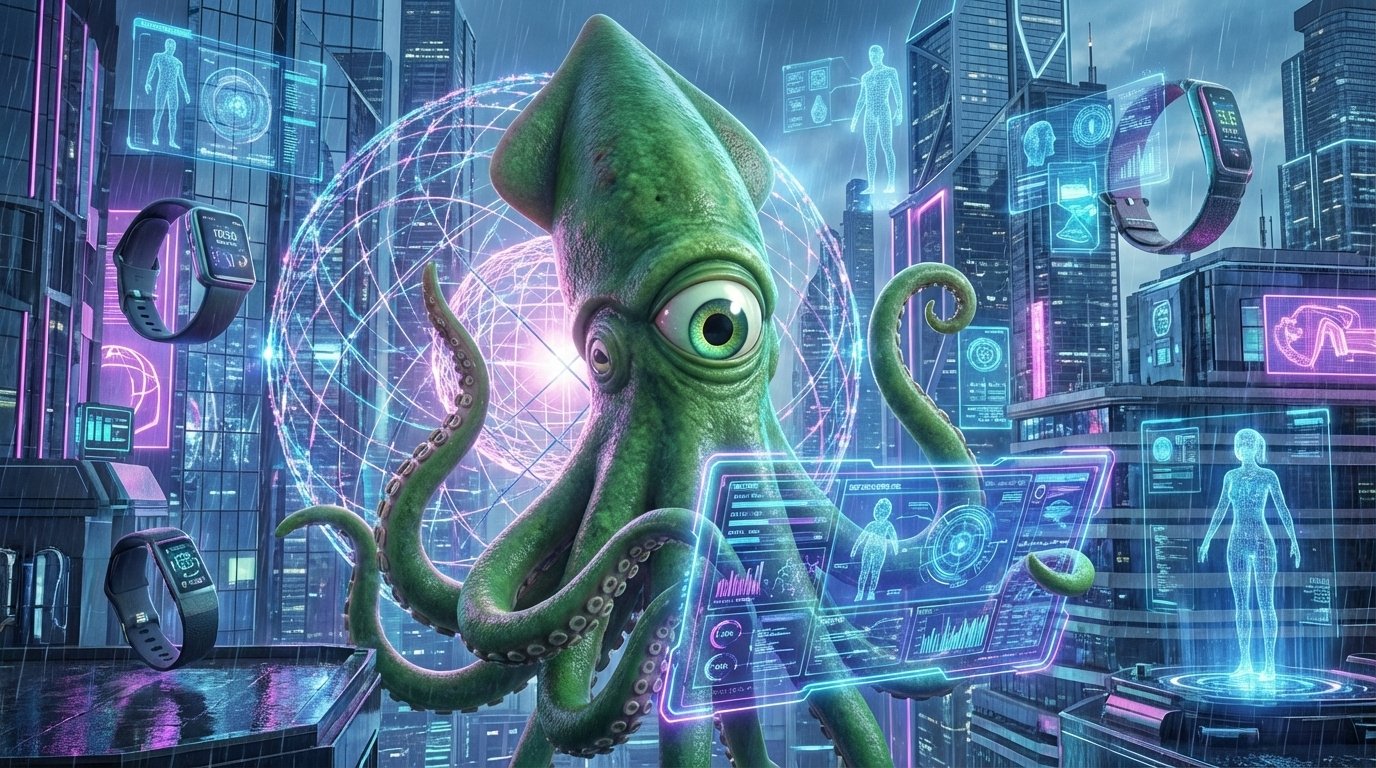
What will our world look like in 2050? This question often sparks images straight from science fiction, complete with flying cars and cities in the clouds. While those fantasies capture our imagination, the reality of technological evolution could be even more astounding. The journey to the middle of the 21st century promises a landscape completely reshaped by innovation.
Exploring Future Technology Predictions 2050 reveals a world that is more connected and intelligent than ever before. This is not just about faster gadgets; it is about a fundamental shift in how we live, work, and even what it means to be human. We are on the verge of breakthroughs in quantum computing that could solve problems currently beyond our reach. At the same time, the development of advanced wearables will begin to blur the lines between biology and machines.
These advancements are not just theoretical concepts. They are actively being developed in labs around the world. As a result, the next few decades will likely bring profound changes to medicine, communication, and our daily lives. This article will explore the most credible and exciting forecasts for the future. We will look at the potential of these technologies to solve some of our biggest challenges, and therefore, also consider the important ethical questions they raise.
The Quantum Revolution: Future Technology Predictions 2050
Quantum computing represents one of the most significant technological leaps we can anticipate. Unlike traditional computers that process information in bits as either 0s or 1s, quantum machines use qubits. These qubits can exist in multiple states at once, therefore allowing for immense computational power. This capability will unlock solutions to problems that are currently unsolvable. By 2050, this technology will likely move from experimental labs into practical, world changing applications.
The excitement around this field is shared by industry leaders. Nvidia’s CEO, Jensen Huang, suggested that quantum computing will be ‘very useful’ within the next two decades. This sentiment reflects a broader trend, with tech giants like Google, IBM, and Nvidia investing heavily in quantum research. These companies are in a race to build stable, large scale quantum computers. Their progress suggests that the timeline for quantum viability is shrinking.
The impact of quantum computing will be felt across numerous sectors. Consequently, we can expect major transformations in several key areas:
- Medicine: Quantum computers could simulate complex molecules, leading to the rapid discovery of new drugs and treatments for diseases.
- Finance: They will be able to perform complex financial modeling, optimizing investment strategies and creating more stable economic systems.
- Materials Science: Scientists could design new materials with specific properties, such as ultra efficient solar panels or revolutionary batteries.
- Artificial Intelligence: Quantum machine learning could vastly accelerate AI development, leading to more sophisticated and capable systems.
However, this power also brings challenges. Quantum computers could potentially break most current forms of encryption, creating a significant cybersecurity threat. As a result, researchers are already working on developing quantum resistant cryptography to safeguard our digital world. The journey toward a quantum future is complex, but its potential to reshape our world is undeniable.
| Technology | Description | Current Status | Potential Impact |
|---|---|---|---|
| Nanotechnology Implants | Microscopic devices in the body for health monitoring, drug delivery, or enhancement. | Research and development, with some early clinical trials for specific applications. | Revolutionized healthcare, personalized medicine, and potential human augmentation. |
| Quantum Computing | Computers using quantum phenomena to solve problems too complex for classical machines. | Experimental stages; small scale processors exist but are not yet widely practical. | Breakthroughs in medicine, materials science, and AI; poses risks to current encryption. |
| Cybernetics | The integration of technology with living organisms, like advanced prosthetics. | Advanced prosthetic limbs are available; brain computer interfaces are in early trials. | Restoration of lost biological functions and enhancement of human capabilities. |
| Autonomous Vehicles | Self driving cars, drones, and other vehicles that operate without human input. | Partial autonomy is common; fully autonomous systems are in limited testing phases. | Greatly improved transportation safety, efficiency, and transformed urban planning. |
| Space Colonization | Establishing permanent human settlements on other celestial bodies, such as the Moon or Mars. | Planning and early mission stages by public agencies and private companies. | Ensures the long term survival of humanity and opens new frontiers for discovery. |
| Virtual Reality | Immersive digital environments that simulate physical presence for various purposes. | A growing consumer and enterprise market for gaming, training, and social platforms. | Redefined entertainment, remote work, education, and social interaction. |
The Human Upgrade: Future Technology Predictions 2050
The future is not just about the devices we carry; it is about the technology that becomes part of us. One of the most profound Future Technology Predictions 2050 is the convergence of the biological and the technological. The clear lines we once drew between human and machine are steadily dissolving. As a result, this fusion promises to redefine what it means to be healthy, capable, and even human.
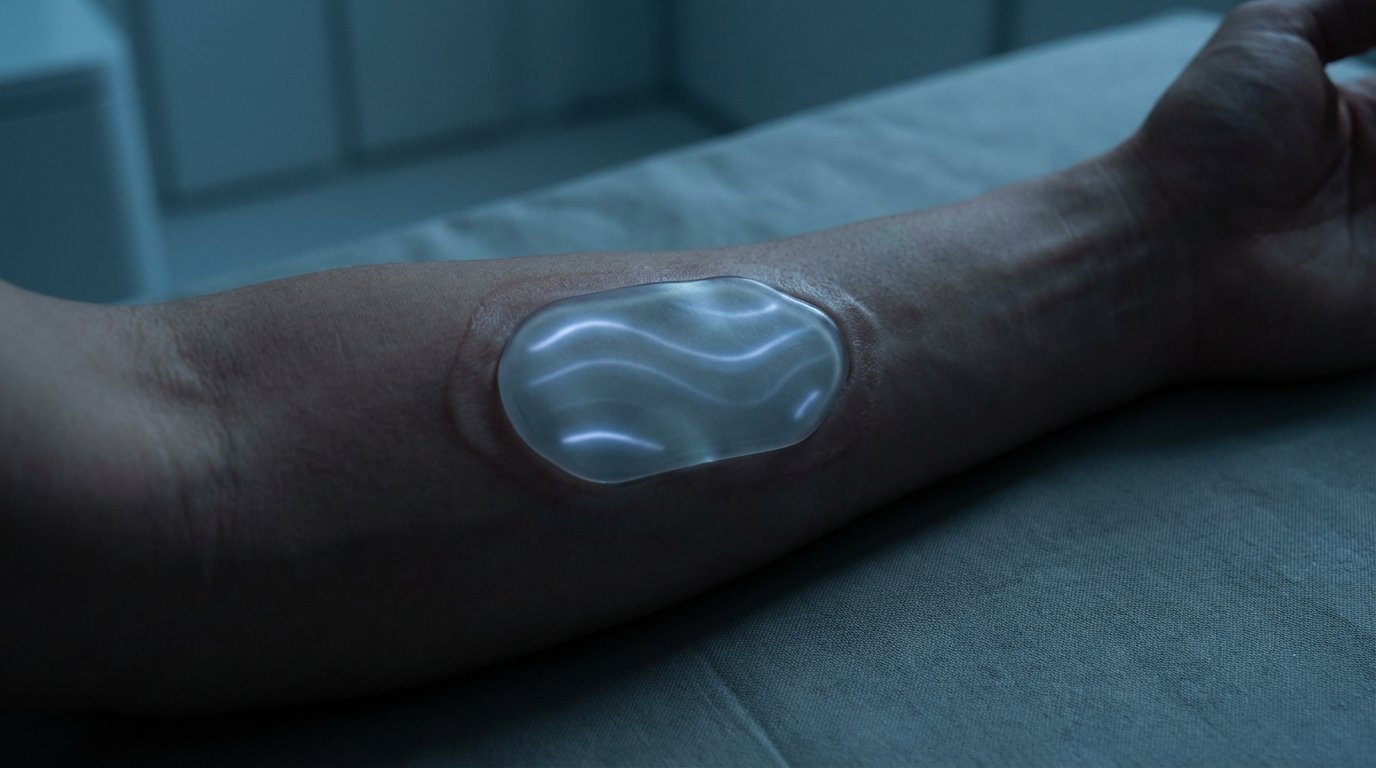
This integration is happening at a microscopic level. For example, nanotechnology implants could patrol our bodies, detecting diseases at their earliest stages or delivering drugs with pinpoint accuracy. Professor Steven Bramwell highlights this trend, stating, ‘By 2050 we should expect the lines between machines, electronics and biology to be significantly blurred.’ This suggests a future where our own biology is enhanced by tiny, intelligent agents.
The field of cybernetics is pushing these boundaries even further. We are moving beyond science fiction and into a tangible reality where technology merges with our nervous system. A key pioneer in this area is Professor Kevin Warwick. He famously became the first human to have a microchip implanted directly into his nervous system. His work demonstrated the potential for direct communication between computers and the human brain.
By 2050, these early experiments could evolve into sophisticated neural interfaces. Consequently, such technology could help restore mobility to paralyzed individuals or even allow for new forms of communication. The possibilities are as exciting as they are ethically complex. As we embed technology more deeply within ourselves, we will face new questions about identity and privacy. Therefore, the path forward requires not just innovation, but also careful consideration.
Shaping a Cautious and Optimistic Future
The road to 2050 is paved with breathtaking technological possibilities. From the immense power of quantum computing to the intimate fusion of biology and machinery, the next few decades promise a radical transformation of our world. These Future Technology Predictions 2050 are not mere speculation; they are emerging from laboratories and research centers today. As we move forward, it is vital to embrace these changes with a sense of cautious optimism, ensuring that innovation serves to elevate the human experience for everyone.
Navigating this complex future requires vision and the right tools. For businesses aiming to lead in this new era, embracing automation and artificial intelligence is no longer optional. This is where EMP0 (Employee Number Zero, LLC) comes in. As a US based AI and automation solutions provider, EMP0 specializes in creating powerful sales and marketing systems. They empower clients to multiply their revenue by leveraging sophisticated AI powered growth strategies.
To stay ahead in a world of rapid technological advancement, you need a partner who understands the future. While the journey to 2050 is long, the preparations for it start now. To see how EMP0 is building the future of automation and explore their innovative solutions, you can find their work at n8n.io/creators/jay-emp0.
Frequently Asked Questions (FAQs)
What is the single biggest technological change we can expect by 2050?
The most significant change will likely be the deep integration of technology into our lives and even our bodies. The concept of the internet of things will evolve into an ambient intelligence, where our environment and personal devices seamlessly anticipate our needs. This hyper connectivity, combined with the blurring lines between biology and machines through cybernetics and wearables, will represent a fundamental shift in the human experience, moving technology from a tool we use to a partner we coexist with.
How will artificial intelligence (AI) impact jobs and daily life?
By 2050, AI will be an invisible, ever present assistant. It will manage everything from our health through predictive diagnostics to creating personalized education plans for students. While AI and automation will handle most repetitive and data heavy tasks, this will shift the job market toward roles that require creativity, emotional intelligence, and complex problem solving. The focus will be on human machine collaboration, not replacement. This transition will require significant societal investment in retraining and education.
Will quantum computing be a reality by 2050?
Yes, in many practical ways. While a quantum computer on every desk is unlikely, quantum systems will be accessible via the cloud and will be solving specific, highly complex problems. We expect major breakthroughs in fields like medicine, where quantum computers will simulate molecules to design new drugs. They will also revolutionize materials science and financial modeling. The primary challenge will be managing the cybersecurity risks that quantum computing presents to current encryption standards.
What are the real world benefits of nanotechnology implants?
Nanotechnology implants hold the promise of revolutionizing medicine. Imagine microscopic robots in your bloodstream that can detect cancer cells years before a tumor forms or deliver medication directly to an infected area, avoiding side effects. These nanobots could also repair damaged tissue at the cellular level. This technology will shift healthcare from treatment to prevention, leading to longer, healthier lives through continuous, real time health monitoring and intervention.
What are the key ethical challenges we must address?
As technology becomes more powerful, the ethical considerations grow. The biggest challenges include ensuring data privacy and autonomy when our bodies and brains are connected to networks. We must also address the potential for algorithmic bias in AI to reinforce societal inequalities. Furthermore, the availability of human enhancement technologies could create a new ‘digital divide’ between those who can afford them and those who cannot. Therefore, proactive public discourse and thoughtful regulation will be essential to ensure these advancements benefit all of humanity.