
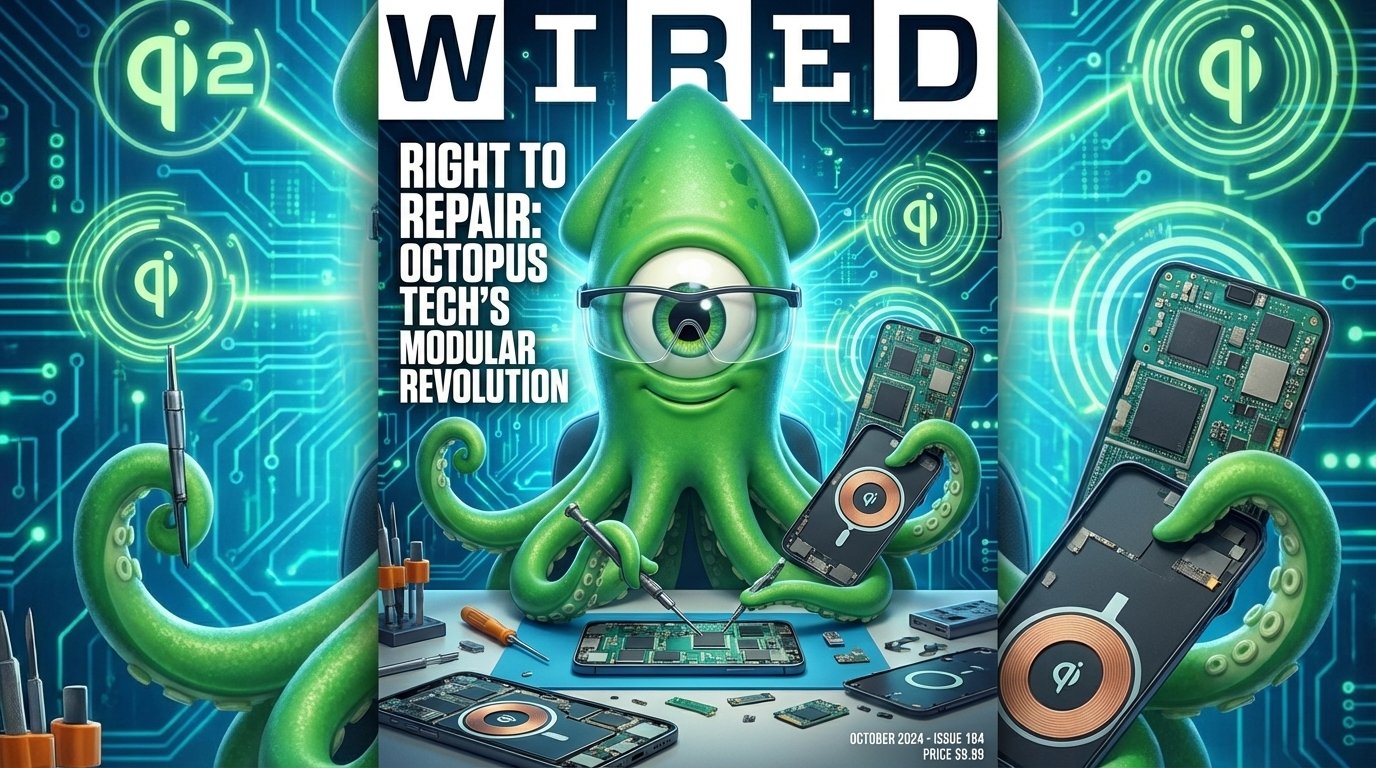
The year 2025 is already a landmark for smartphone innovation. We are witnessing an explosion of creativity with devices that fold into new shapes, batteries that stretch for days, and designs that express true personality. While the future of mobile technology feels incredibly exciting, an even more powerful shift is happening behind the scenes. This is where the crucial conversation about Smartphones in 2025 and the Right to Repair Movement takes center stage.
Consumers are looking beyond just the next shiny object. A growing demand for control, longevity, and sustainability is reshaping our relationship with technology. The old cycle of use and discard is finally being challenged by a powerful grassroots and legislative push. We are seeing a new era emerge, one where owning a device means you truly own it. This enthusiastic movement is gaining incredible momentum, with new laws providing consumers with unprecedented power over their own hardware. This change is not just about fixing a broken screen; it is about reclaiming our right to understand and maintain the technology that powers our lives.
Design Meets Durability: Smartphones in 2025 and the Right-to-Repair Movement
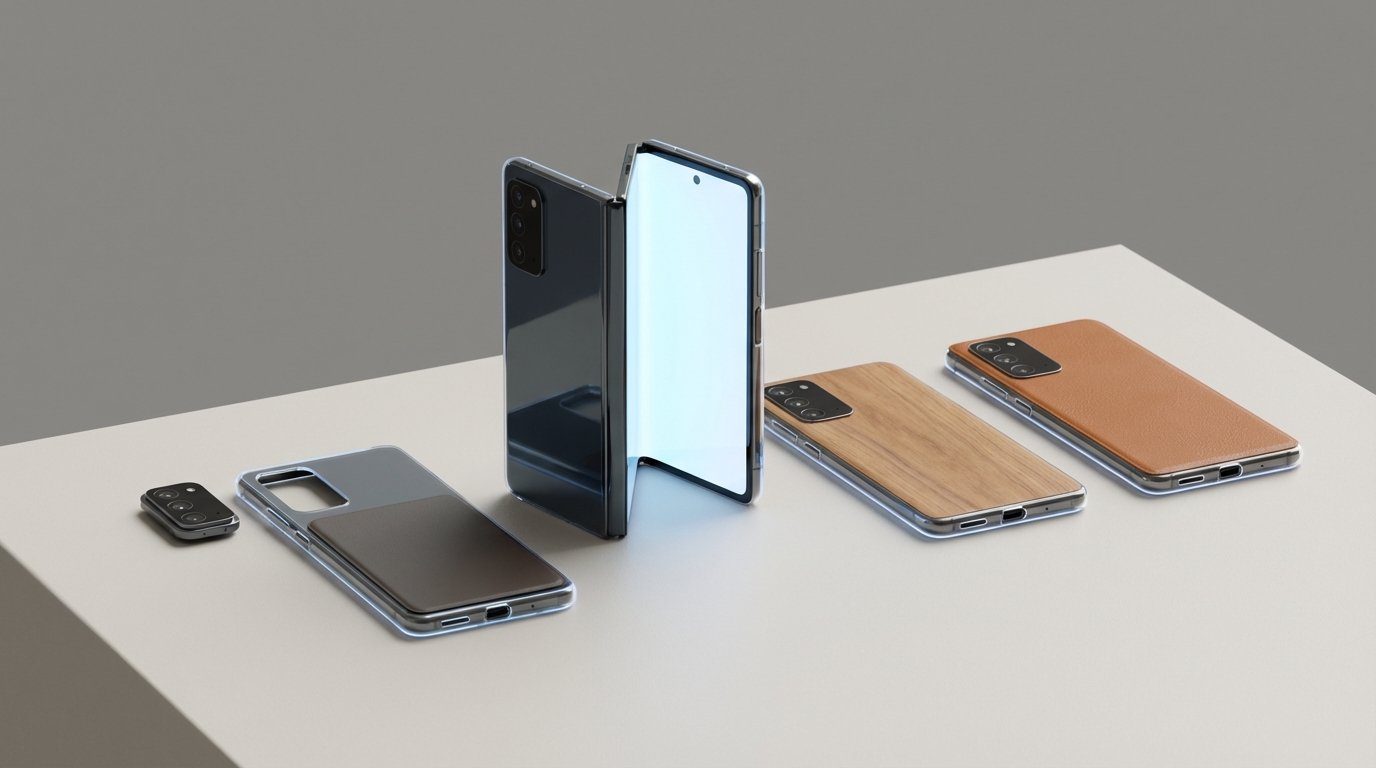
The push for repairability is not stifling creativity. In fact, it is fueling a wave of exciting design experimentation in 2025. Manufacturers are proving that beautiful, innovative devices can also be easy to fix. We are seeing a clear departure from sealed glass boxes, as companies embrace modularity, diverse materials, and user accessible components. This shift empowers consumers and adds a new dimension to smartphone ownership. As a result, the market is now filled with phones that are not only powerful but also sustainable and repair friendly.
Here are some of the standout innovations:
- Fairphone Gen. 6: This device sets the gold standard for repairability. It earned a perfect 10 out of 10 score from iFixit, showing that complex technology can be designed for easy disassembly and repair.
- CMF Phone 2 Pro: A budget friendly marvel, this phone features removable backplates and modular accessories. This design allows for simple customization and repairs without specialized tools.
- Samsung Galaxy Z Fold7: Durability in folding devices is reaching new heights. The Z Fold7 can withstand an incredible 500,000 folds, proving that complex form factors can also be robust.
- Moto Razr 2025 Series: Motorola is offering a range of back materials, including vegan leather and FSC certified wood. These materials are often easier to remove and replace than glass panels, which greatly enhances repair options.
The People’s Voice: Legislative Progress and Advocacy Efforts
The right to repair movement is making incredible strides, moving from passionate online communities to the halls of state governments. This year has been particularly successful, with three U.S. states passing landmark right to repair laws. The victory in Texas was especially noteworthy, as the bill passed with a unanimous vote in both the House and Senate. This overwhelming support shows that the demand for consumer rights over their own devices crosses political divides.
This legislative momentum is the direct result of relentless advocacy from groups and individuals. Organizations like the US PIRG have been at the forefront of this battle. Nathan Proctor, a key leader in their campaign, captures the core issue perfectly. He states, “The fundamental problem with restricting the right to repair is that when you buy equipment, you have a competitive market.” His argument emphasizes that repair restrictions stifle competition and ultimately harm consumers.
Despite these wins, significant challenges remain. Vocal advocates like Louis Rossmann argue that a cultural shift is just as important as legislation, aiming to change minds because the legal route has often been blocked. Key obstacles include:
- Firmware Restrictions: Manufacturers can push software updates that limit functionality, effectively controlling a device long after it has been sold.
- Section 1201 of the Digital Millennium Copyright Act (DMCA): This federal law creates legal risks for those who bypass software locks to repair their own electronics, creating a chilling effect on independent repair.
| Device | Repairability Score | Battery Capacity | Modularity | Materials | Key Innovation |
|---|---|---|---|---|---|
| Fairphone Gen. 6 | 10/10 (iFixit) | Not specified | High (fully modular) | Recycled plastics/metals | Designed for easy disassembly with standard tools. |
| Galaxy Z Fold7 | Not specified | Not specified | Low | Glass and metal | Enhanced hinge durability (500,000 folds). |
| Moto Razr 2025 | Not specified | Not specified | Low | Vegan leather, wood, glass | Swappable back materials that are easier to remove. |
| OnePlus 15/15R | Not specified | 7,300/7,400 mAh | Low | Not specified | Silicon carbon battery for high capacity in a slim design. |
| CMF Phone 2 Pro | Not specified | Not specified | High (accessories) | Plastic | Removable backplates and modular accessories. |
The year 2025 marks a thrilling turning point for technology. We are not just seeing more powerful and creative smartphones; we are witnessing the rise of a powerful consumer movement. The success of the right to repair battle proves that innovation and empowerment can go hand in hand. As laws change and designs become more modular and accessible, consumers are finally gaining true ownership over their devices. This is a future where technology is not only more exciting but also more sustainable and democratic.
To thrive in this rapidly evolving landscape, businesses must adapt. Companies like EMP0 provide the AI and automation solutions needed to navigate these shifts, helping brands align with consumer values and embrace new market demands for growth. The future is clear: it is repairable, innovative, and puts the power back into your hands. Find out more about our work on our website, and follow us on Twitter/X @Emp0_com.
Frequently Asked Questions (FAQs)
What is the Right to Repair Movement?
The Right to Repair movement is a global effort advocating for laws that require manufacturers to provide consumers and independent repair shops with access to parts, tools, and information needed to fix their own electronic devices. The goal is to make repairs more affordable and accessible, extending the lifespan of products and reducing electronic waste.
Which 2025 smartphones are considered the most repairable?
The Fairphone Gen. 6 is a leader, earning a perfect 10/10 repairability score from iFixit due to its fully modular design. Other notable devices include the CMF Phone 2 Pro with its removable backplates and the Moto Razr 2025 series, which uses materials that are easier to replace than traditional glass backs, improving their repair potential.
Are major tech companies supporting the Right to Repair?
Yes, there is progress. In response to legislative pressure and consumer demand, companies like Apple and Google have started offering self repair options and are beginning to design some products for easier repair. While there is still a long way to go, this represents a significant shift from their previous stances against open repairs.
What are the main legal hurdles for the Right to Repair movement?
The biggest legal challenge in the U.S. is Section 1201 of the Digital Millennium Copyright Act (DMCA). This law can make it illegal to bypass software locks on devices, even for repair purposes. Advocates are working to reform this law to create clear protections for consumers and independent repair technicians.
How do new battery technologies in 2025 impact repairability?
Innovations like the silicon carbon batteries found in the OnePlus 15 series allow for much larger capacities without increasing phone thickness. While this enhances user experience, the key to repairability is whether these batteries are designed for easy replacement. The Right to Repair movement pushes for designs that do not use strong adhesives, making battery swaps simpler.