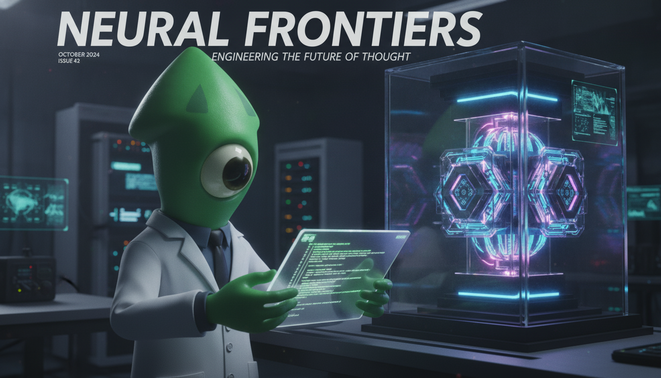
The Future of Power, Learning, and Discovery: How AI Reshapes Our World
The world stands at a historic crossroads today. We are witnessing a massive shift driven by the rise of artificial intelligence. This technology is no longer just a futuristic concept for science fiction. Furthermore, it is a powerful force that touches every corner of our daily lives.
Modern society relies on these digital tools to solve complex problems and improve efficiency. Consequently, every leader must now adapt to this new reality or risk falling behind. Similarly, leadership styles are evolving because of rapid digital changes.
Traditional methods often fail to meet the needs of a tech driven world. Therefore, executives must learn how to guide their teams through constant innovation. They need to understand the ethical limits of these smart systems. Moreover, this shift requires a balance between human intuition and machine logic.
Education is also undergoing a profound transformation. Students use chatbots to learn new skills and explore complex ideas. However, teachers face new challenges in maintaining academic integrity. For instance, schools must decide how to integrate these tools into the classroom effectively.
As a result, the way we share knowledge is changing forever. Research priorities are shifting as well. Additionally, scientists use these systems to process vast amounts of data in seconds. This speed allows for breakthroughs that were once impossible.
Yet, the focus on safety and ethics is more critical than ever. We must explore how these changes shape our future path. This article examines the deep impact of these trends on our global community. Because these changes happen so fast, we need to look closer at what lies ahead.
Leadership Evolution and Artificial Intelligence
The world of corporate authority is changing fast due to artificial intelligence. Leaders today must navigate a landscape where machines assist in major choices. This shift creates both opportunities and significant risks for every organization. Consequently, managers need to develop new skills to stay relevant in a digital economy. Because technology moves so quickly, staying informed is vital.
Integrating artificial intelligence into a company requires more than just technical knowledge. It demands a deep understanding of human emotions and ethics. Additionally, effective executives now focus on how algorithms impact their workers. Therefore, the role of a leader is becoming more about guidance and less about direct control. Similarly, success depends on how well a team adopts these tools.
Navigating the Crisis of Trust
Trust remains a massive hurdle for many organizations today. According to reports from the Pew Research Center, many people feel uneasy about these new tools. Furthermore, trust in tech companies fell globally between 2023 and 2024. This trend suggests that transparency is more important than ever. Instead of hiding processes, leaders should share them openly.
Only 5 percent of adults in the United States trust these systems a lot. This lack of faith creates a challenge for those in charge. Thus, leaders must be open about how they use data and logic. As a result, they must prioritize building strong bonds with their teams and customers. You can find more insights on tech ethics at the Wired website.
Balancing Optimism with Caution
Some experts see a bright future despite these growing concerns. Matthew Prince, the leader of Cloudflare, remains hopeful about the transition. He says, “I’m pretty optimistic about AI. I think it’s actually going to make humanity better, not worse.” This positive outlook encourages many to embrace innovation. However, others remain skeptical of such claims.
Indeed, other voices suggest a more careful approach to development. They argue that we must consider the potential downsides of rapid growth. For example, one question is very important. “What might go wrong?” is a really good and important question that I wish more companies would ask. Because we face unknown risks, asking this question helps prevent costly mistakes.
Key Shifts in Leadership Roles
- Decision making becomes a collaborative effort between humans and machines.
- Managers focus more on emotional intelligence to support their teams.
- Leaders prioritize safety and ethics over simple speed or profit.
- Strategic thinking shifts toward long term sustainability and social impact.
In conclusion, the interplay between humans and machines is redefining success. Leaders who embrace this change will thrive in the coming years. They must listen to concerns while pushing for progress. Moreover, they should always keep the human element at the heart of their strategy.

Educational Shifts and Artificial Intelligence
Students today engage with artificial intelligence in revolutionary ways. According to Pew Research, nearly two thirds of US teens use chatbots regularly. This trend indicates that AI education is becoming a standard part of the modern classroom. Consequently, teachers must find new ways to guide students through these digital landscapes.
However, the rapid growth of these tools brings significant challenges. Educators often worry about the long term impact on critical thinking. Furthermore, safety remains a top priority for parents and school boards. One expert asks a vital question about these new systems. “Is this something that I would be comfortable giving to my own child to use?” Because of this concern, many call for a stricter regulatory environment.
New Research Priorities in the AI Era
Research centers are now focusing on different goals than before. Scientists use advanced systems to solve problems in medicine and physics. For instance, teams at WIRED report that health tools are changing clinical care. These tools help doctors analyze complex data more efficiently. Therefore, AI health applications are gaining massive investment globally.
Similarly, institutions must consider how these tools affect the job market. Stanford University research found that employment opportunities for young people are declining. This shift happens because automation replaces many entry level tasks. As a result, schools must rethink how they prepare students for future careers. You should explore how various labs manage these shifts to understand the future better.
AI Tools and Safety Standards
Ensuring AI safety is a primary goal for developers and researchers. They want to prevent machines from making biased or harmful choices. Additionally, the industry needs clear rules to manage these risks effectively. Because technology changes fast, these rules must be flexible. Some experts wonder if digital agents face logic limits in certain high stakes scenarios.
Organizations are also looking at how to scale these systems safely. For example, many companies want production ready systems that work reliably. This focus on reliability helps build trust with the general public. Furthermore, it ensures that innovation does not come at the cost of security. You can find more research on these topics at MIT or in journals like Nature.
Comparison of Artificial Intelligence Tools
The rise of artificial intelligence has created many new digital products for businesses and researchers. These tools help leaders make better choices and improve their daily workflows. Consequently, understanding the features of each system is vital for success in a tech driven world. We must focus on how these solutions impact our global community.
AI Systems Features and Roles
The following table highlights the primary functions and trust levels of popular systems. These connections help organizations adopt production ready automation for better outcomes.
| Tool | Features | Primary Uses | Trust Level | Impact on Leadership |
|---|---|---|---|---|
| Claude | Advanced Reasoning | Business Analysis | Medium | Enhances strategy |
| ChatGPT Health | Clinical Support | Health Research | Low | Informs medical care |
| EMP0 Solutions | Custom Workflows | Business Growth | High | Optimizes priorities |
These systems allow users to process data with speed and precision. Leaders can visit EMP0 to learn about scaling these tools safely. By focusing on safety and ethics, we can improve global trust in digital systems. Furthermore, using the right software ensures long term growth for every organization. Thus, we must continue to explore these new frontiers with care and optimism.
Embracing the Future of Intelligence
We have seen how artificial intelligence reshapes every part of our world. Leadership now requires a blend of machine logic and human care. Similarly, education faces new rules as students adopt digital tools. Research priorities now focus on health and safety above all else. Consequently, companies must adapt to stay competitive. Therefore, many look for secure ways to grow their business.
Employee Number Zero, LLC helps companies navigate these big changes. They offer AI powered growth systems that increase revenue. Specifically, they deploy these systems securely under your own infrastructure. This keeps your data safe while you scale up. Additionally, they provide ready made tools for every need. Their Content Engine helps you reach more people. Similarly, the Marketing Funnel and Sales Automation improve your flow. Moreover, you can use the Retargeting Bot for better engagement. Finally, Revenue Predictions help you plan for the future.
You can explore many AI categories to see how these tools work. Understanding these systems helps you build better teams. Furthermore, you can find more resources on the official blog to avoid common traps. Building production systems is also a top priority for modern firms. These insights allow you to lead with confidence. We invite you to explore the power of these tools today.
Artificial intelligence can truly transform how your organization works. The future is bright for those who embrace change. Take the next step to secure your growth and lead your industry.
Online Profiles
Website: emp0.com
Blog: articles.emp0.com
Twitter: twitter.com/Emp0_com
Medium: medium.com/@jharilela
Artificial Intelligence FAQs
How does artificial intelligence affect job opportunities for young professionals?
Stanford research shows that automation is changing entry level work. Many young people see fewer openings because machines now handle basic tasks. However, this shift also creates a need for new digital skills. Therefore, workers must focus on higher level strategy and creative thinking. As a result, the job market is evolving into a more tech centered space.
What role do chatbots play in modern education?
Nearly two thirds of teens in the United States use chatbots for their schoolwork. These tools help students explore complex ideas and learn faster. Furthermore, they provide instant answers to difficult questions. But schools must ensure that students still develop critical thinking skills. Because of this, educators are rethinking how they measure academic success.
In what ways is leadership changing due to these digital tools?
Leadership now requires a balance between machine data and human intuition. Managers must guide their teams through constant innovation and change. Additionally, they focus more on ethics and emotional intelligence than ever before. Therefore, a successful leader acts as a guide rather than just a controller. Similarly, they must learn to trust algorithms while keeping a human perspective.
Why is AI safety such a critical priority for researchers?
Safety is vital because automated systems can make biased or harmful choices. Researchers want to ensure that technology serves humanity without causing accidental harm. Furthermore, a strict regulatory environment helps manage these risks effectively. As a result, safety testing is now a main part of the development process. Because we face unknown risks, asking the right questions is essential.
Why is public trust in tech companies declining?
Trust levels have fallen because people worry about data privacy and transparency. Only a small percentage of adults trust these systems a lot. Consequently, companies must be more open about how their logic works. By sharing their processes, they can build stronger bonds with users. Therefore, transparency is the key to winning back public confidence.