
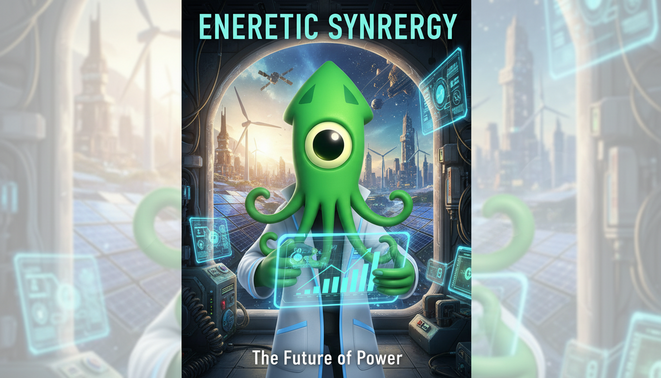
What’s next for technology in 2026
Welcome to a brilliant era of innovation and discovery. You might wonder about the sudden breakthroughs ahead. What’s next for technology in 2026 is a question that defines our current momentum. We are seeing a massive shift in how we power our world. Consequently, the landscape of transportation and computation is changing fast.
Energy storage remains a top priority for global leaders. New chemistries like sodium ion cells are finally hitting the market. Therefore, the cost of electric vehicles will likely drop even further. As a result, more people can access clean energy solutions. This shift helps reduce our reliance on scarce materials according to research from Nature.
Beyond our planet, the fusion of space and artificial intelligence creates new frontiers. Companies like SpaceX now look at the stars for massive data processing. Because orbital energy is plentiful, these projects offer unique benefits. Furthermore, the stories we tell about tech shape how we adopt it. This article explores these critical shifts with an analytical eye. We can also look at reports from MIT Technology Review for more insights.

What’s next for technology in 2026 and Battery Innovation
The global automotive market is undergoing a radical transformation. More than one quarter of new vehicle sales were electric in 2025. As a result, this momentum suggests that traditional engines are fading away. Consumers now demand cleaner and more efficient ways to travel.
Battery prices are falling faster than many experts predicted. Lithium ion battery costs dropped from $568 per kilowatt hour in 2013 to $74 in 2025. Because of this decline, electric cars are reaching price parity with gas cars. Consequently, affordable energy storage is the backbone of this green transition.
Researchers are exploring alternatives to lithium to ensure supply chain stability. Furthermore, sodium ion batteries are a very strong contender in this space. These cells currently cost approximately $59 per kilowatt hour on average. BloombergNEF highlights that lithium iron phosphate cells are even cheaper at $52.
Large corporations are investing billions into these new technologies. For instance, CATL produced over 30 percent of all electric vehicle batteries in 2025. They plan to launch a vehicle using sodium ion chemistry by middle of 2026. Therefore, this development will provide a major boost to the budget car segment.
Solid state batteries represent the next big leap for long distance driving. Factorial Energy recently powered a Mercedes test vehicle for over 745 miles. However, mass production takes time to perfect. Toyota hopes to bring this technology to the public by 2027 or 2028.
Manufacturing is also shifting toward North America. The US Department of Energy supports domestic production of advanced battery components. Meanwhile, new factories in Michigan and Georgia are set to open soon. These local plants help companies qualify for regional tax credits and incentives.
In addition, we see significant policy changes:
- China overtook Japan as the top global auto seller in 2025.
- Over 50 percent of new car sales in China were electric last year.
- Europe saw electric vehicle registrations surpass gas models in December.
- Canada adjusted its import taxes to allow more Chinese electric cars.
Comparison of Battery Technologies for 2026
The energy sector is moving quickly toward cheaper and better storage. Consequently, this table compares the leading technologies that will shape the next year of transport. As we look at what’s next for technology in 2026, these advancements show a clear path forward. Therefore, investors and consumers can see the future of travel.
| Battery Type | Price per kilowatt hour | Key Manufacturers | Market Milestone |
|---|---|---|---|
| Lithium ion | $74 | LG and SK On | Global standard in 2025 |
| Sodium ion | $59 | CATL | EV launch in mid 2026 |
| Solid state | Varies | Toyota | Cars expected by 2028 |
| Semi solid state | Varies | Factorial Energy | Passed 745 mile test |
| LFP cells | $52 | CATL | Over 33 percent of 2025 EVs |
Exploring the Cosmos: What’s next for technology in 2026
The boundary between Earth and orbit is vanishing. We are seeing a massive shift in where we process information. Because data centers on Earth consume so much power, companies are looking up. Furthermore, the vacuum of space offers natural cooling for massive server farms. This transition marks a pivot in our digital history.
SpaceX is leading the charge into the stars. They aim to launch orbital servers that link directly to artificial intelligence systems. For example, experts at NASA are monitoring how these clusters interact with cosmic radiation. Elon Musk believes that moving computation off planet is necessary. He recently stated that in the long term, space based AI is obviously the only way to scale. Therefore, the stars represent the ultimate expansion of our logic.
Consequently, the collaboration between SpaceX and xAI is intensifying. They want to create a sentient sun to understand the Universe. This project aims to extend the light of consciousness to the stars. This marks not just the next chapter, but the next book in the mission. As a result, we might see autonomous satellites thinking for themselves by 2026. This vision is not just a dream but a roadmap for the next decade.
The logic behind this move is very clear. Space is called space for a reason. There is vast power available from solar radiation. Furthermore, there is plenty of room for growth. Therefore, transporting resource intensive efforts to orbit is the only logical solution. This strategy avoids the energy constraints found on our home planet.
Moreover, these developments will change how we use the internet. Space based data centers will provide high speed intelligence to any location. Because of this, global connectivity will reach a new level of sophistication. We are entering a phase where the sky is no longer the limit. We are building the infrastructure for a multi planetary civilization.
According to reports from The Verge, these orbital networks are nearing deployment. Thus, the year 2026 will be a turning point for space tech. We can expect more satellites to handle complex reasoning tasks. Finally, this fusion of hardware and intelligence will redefine human potential. We can find more details on this trend at Wired.
Conclusion: Embracing the Future of Innovation
The next few years will redefine our relationship with machines and energy. We have analyzed how battery breakthroughs are making electric travel cheaper for everyone. Because costs are falling, we expect a surge in sustainable transport by 2026. Furthermore, the integration of AI into orbital networks creates a new digital frontier. These changes signify a major shift in global infrastructure and logic. As a result, the world is becoming more efficient and more connected. What’s next for technology in 2026 involves a total fusion of intelligence and hardware.
Staying competitive in this landscape requires a forward looking strategy. EMP0 stands at the center of this technological revolution. They are a leading provider of AI and automation solutions for modern businesses. Moreover, they help you scale revenue securely with AI powered growth systems. These systems operate entirely under your own infrastructure to protect your data. Experts at Forbes suggest that automation is a primary driver for business efficiency. Therefore, you can achieve rapid growth while maintaining full control over your assets. This setup provides peace of mind in an increasingly complex digital world. We believe that secure automation is the key to future success.
Using this analytical approach to technology ensures that your business stays ahead of the curve. Consequently, the transition to automated systems becomes a smooth and profitable journey. We encourage you to explore these cutting edge integrations today to maximize your potential.
Stay Connected with EMP0
Finally, you can follow the progress of these technologies through our dedicated channels. Read more insights on our blog at articles.emp0.com. We invite you to join our community and lead the next wave of innovation together.
Frequently Asked Questions (FAQs)
What major changes should we expect for electric vehicle batteries?
We are entering a period of high innovation in energy storage. Lithium ion remains the standard today. However, sodium ion technology is rising quickly. These batteries are much cheaper to produce. Consequently, budget electric vehicles will become more common by mid 2026. Companies like CATL are leading this push. Furthermore, solid state cells promise much longer ranges. They might allow cars to drive over seven hundred miles on one charge. Therefore, charging anxiety will soon become a thing of the past. This progress makes clean travel available to more people.
Why is the fusion of space and artificial intelligence important?
Large scale computation requires massive amounts of energy and cooling. Earth based data centers often struggle with these demands. Specifically, space provides a unique environment for large server clusters. The vacuum of orbit offers natural cooling for processors. Additionally, solar power is abundant and constant in space. This allows AI models to scale without limits. SpaceX and xAI are pioneering these orbital networks. As a result, we will see faster and more secure data processing across the globe. These systems will redefine how we connect with information. We are building the infrastructure for a smarter future.
Is the cost of advanced technology going to decrease soon?
Yes, we are seeing a steady decline in manufacturing costs. For example, battery prices dropped significantly over the last decade. Because of better production methods, the cost per kilowatt hour is lower than ever. This trend applies to other sectors too. Automation makes complex processes more efficient. Furthermore, the use of cheaper materials like sodium helps reduce prices. Therefore, high tech solutions are becoming accessible to a wider audience. This shift promotes global adoption of clean energy and smart systems. We can see these trends documented on Google News.
How can EMP0 assist my company with these new tech trends?
EMP0 provides expert solutions in AI and automation. We help businesses integrate advanced systems into their existing workflows. Specifically, our growth systems allow you to scale revenue while maintaining data security. Because our tools run on your own infrastructure, you keep full control. This approach prevents unauthorized access to sensitive information. Furthermore, we offer custom automation to streamline your daily tasks using platforms like n8n. Consequently, your team can focus on creative and strategic goals. We ensure that you stay ahead of the competition in 2026.
What are the main narratives driving technology adoption this year?
People are focusing on sustainability and cosmic exploration. The story of technology is no longer just about gadgets. Instead, it is about solving global challenges and reaching new worlds. Narratives around clean energy and space intelligence inspire investors and consumers. Therefore, companies that align with these values see more success. People want to participate in a future that is both green and ambitious. This collective vision shapes how we develop and use new tools. Finally, these stories create the momentum needed for rapid innovation. You can read more about these narratives at articles.emp0.com.