
The Innovation of the Vine Inspired Robotic Gripper
Soft robotics is entering a new era of hardware frontiers. This evolution brings us the vine inspired robotic gripper which mimics natural plant growth to handle delicate tasks. Scientists at MIT are designing these systems to inflate and extend from a pressurized base. Because they grow rather than just move, they can navigate complex spaces with ease. This technology marks a significant shift in how we approach mechanical grasping and lifting.
The potential impact of this innovation reaches across many vital industries. For instance, manufacturing plants can use these grippers to manage heavy cargo or fragile components safely. In warehouses, the ability to coil around objects provides a secure yet gentle sling like grasp. Furthermore, the most profound application exists within the field of eldercare. Caregivers often face physical strain when they move patients from beds to chairs.
A vine inspired robotic gripper offers a compassionate solution for both workers and patients. It can burrow under a person and create a closed loop to lift them comfortably. As a result, researchers at Stanford University believe this technology reduces the risk of injury for medical staff. Consequently, this advancement promises a future where robots provide essential support in homes and hospitals. Therefore, the combination of open loop and closed loop actions ensures maximum efficiency during every stage of operation.
The Design of the Vine Inspired Robotic Gripper
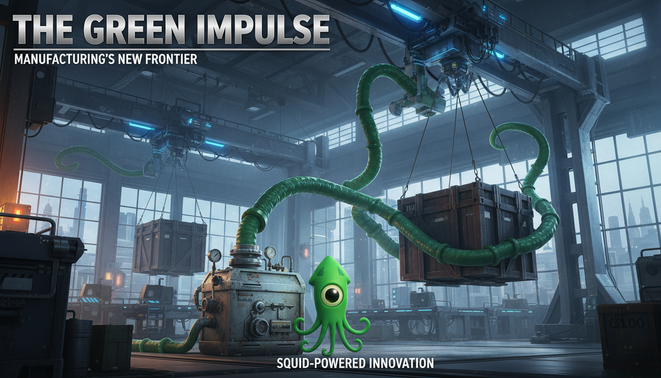
The vine inspired robotic gripper is an innovative creation in soft robotics. Its core structure consists of a pressurized box from which flexible, vine-like tubes inflate and grow. These tubes mimic the natural curling and maneuverability of vines, making this technology a game-changer in robotics applications such as manufacturing, material handling, and eldercare.
Operational Principles
- Pressurized Box: The journey of the vine inspired robotic gripper begins with a pressurized box. This box generates the force needed for the tubes to inflate and extend outward.
- Vine-like Tubes: As the tubes expand, they twist and coil around objects. This motion is both gentle and secure, allowing the tubes to wrap around fragile items or heavy objects with equal proficiency.
- Grasping Mechanism: Once coiled around the object, the tips of the tubes automatically clamp in place. Subsequently, the tubes are mechanically wound back to lift and secure the item in a sling-like grasp.
The unique ability of this gripper to adapt its form to different shapes and sizes of objects makes it suitable for diverse applications.
Open-Loop and Closed-Loop Actions
The design of the vine-inspired robotic gripper expertly combines open-loop and closed-loop actions, taking advantage of each to enhance efficiency and accuracy. According to a comment by Harry Asada of MIT, “By transforming between open and closed loops, we can achieve new levels of performance by leveraging the advantages of both forms for their respective stages.”
- Open-loop Actions: These actions allow the gripper to extend and reposition itself in preparation for grasping an object.
- Closed-loop Actions: Once in contact with the object, closed-loop actions ensure secure holding and manipulation, providing the precision needed for tasks such as eldercare or industrial handling.
This combination of actions ensures that the gripper can handle the complexities of positioning, grasping, and holding, thus broadening its potential applications significantly.

Practical Applications of the Vine Inspired Robotic Gripper
The vine inspired robotic gripper offers versatile solutions for many modern challenges. Because of its unique design, it can operate in settings that traditional robots find difficult. Therefore, industries ranging from healthcare to logistics are looking at this technology with great interest. This technology creates new possibilities for automation in cluttered and sensitive environments. The following table highlights the key areas where this system makes a difference.
| Application Area | Description | Benefits |
|---|---|---|
| Eldercare | The system burrows under a person in bed and creates a closed loop to lift them. | It reduces physical strain for caregivers and provides a more comfortable experience for patients. |
| Agricultural Harvesting | Flexible tubes wrap around delicate fruits and vegetables to harvest them from plants. | The soft contact prevents bruising and damage to fragile produce during the picking process. |
| Warehouse Material Handling | Tubes coil around items like vases or watermelons to move them through cluttered spaces. | This method allows for a secure grip on irregular shapes without requiring complex sensor arrays. |
| Industrial Cargo Loading | The gripper uses its coiling strength to manage heavy loads and secure them for transport. | The closed loop design offers significant mechanical advantage for lifting substantial weight safely. |
Furthermore, the adaptability of the vine inspired robotic gripper allows it to function in unpredictable environments. Additionally, the transition between stages ensures that the robot maintains control at all times. Consequently, this hardware represents a major leap forward for material handling and personal care. Developers continue to refine the design to meet the specific needs of each sector.
Benefits and Challenges of the Vine Inspired Robotic Gripper
The introduction of the vine inspired robotic gripper brings numerous advantages to various fields. This robotic gripper stands out because it provides a soft yet powerful touch. It can handle delicate objects like glassware and also lift heavy items like kettlebells. Furthermore, the design allows for safe interaction with humans in sensitive environments.
Key Benefits of the Technology
The most significant benefit involves the area of eldercare. This field requires sensitive interactions with human patients to maintain dignity and safety.
- Caregiver Relief: Moving a patient out of bed is a physically strenuous task for many health workers. Consequently, this device helps by sliding underneath the person and creating a secure loop.
- Patient Comfort: The vine like tubes offer a gentle grip compared to rigid mechanical arms. Therefore, patients experience less pressure and more stability during a patient lift.
- Versatility: The system can navigate through a cluttered bin or around obstacles easily. Additionally, it excels at positioning itself precisely before starting the growth process.
- Safety: Because the robot uses air pressure and fabric, it poses less risk of injury to humans.
Future Challenges for Implementation
Despite these benefits, engineers face specific challenges as they refine the vine inspired robotic gripper. Innovation requires constant testing and improvement to reach commercial success.
- Durability: The flexible tubes must withstand high pressure without bursting or leaking over time. As a result, finding the right composite materials is a top priority for researchers.
- Sensing and Control: Improving the accuracy of the growth path requires advanced sensors. Developers at places like the Wyss Institute are studying how to better control soft actuators.
- Integration: Combining the soft gripper with existing industrial arms requires complex software updates.
In conclusion, the vine inspired robotic gripper represents a massive step forward. Researchers continue to work on making the materials more robust for daily use. Therefore, this technology will likely change how we think about automation and care.
Conclusion: The Future of Soft Robotics and Automation
The vine inspired robotic gripper marks a turning point for soft robotics. This hardware creates safer environments in both manufacturing and healthcare. Because it mimics nature, the system handles delicate tasks with incredible precision. Therefore, we can expect a future where automation is more human and versatile. This progress ensures that workers and patients benefit from gentler mechanical interactions.
Innovative hardware needs powerful intelligence to reach its full potential. EMP0 provides the AI and automation solutions required to complement such advancements. Furthermore, by integrating our tech, businesses can multiply revenue and improve daily operations. We offer a full stack brand trained AI worker for your company. This worker is securely deployed under your own infrastructure to protect your data. Additionally, our solutions bridge the gap between complex hardware and digital management. Consequently, your team gains a reliable partner that understands your specific needs.
As we look ahead, the synergy between soft robotics and AI will redefine industry standards. Therefore, embracing these tools today positions your business for long term success. You can explore more about our vision and read detailed articles at our blog our blog. We help you stay ahead in an ever changing technological landscape. The future of robotics and AI starts with a single step toward innovation.
Frequently Asked Questions (FAQs)
What is a vine inspired robotic gripper?
A vine inspired robotic gripper is a type of soft robot. It grows and extends to grasp various objects. This device mimics the natural movement of climbing plants. Because it uses flexible tubes, it can reach into very tight areas. Consequently, it provides a safe way to handle delicate or oddly shaped items.
How does the growth mechanism work?
The process begins inside a pressurized box. Air pressure causes the vine like tubes to inflate and move forward. While they grow, the tubes twist and coil around the target object. Then, the tips are clamped to create a stable hold. Finally, the system winds the tubes back to lift the object in a sling like grasp.
What are the main applications for this technology?
This robot is particularly useful in the healthcare and manufacturing sectors. It helps with eldercare by assisting with a patient lift from a bed. Furthermore, it excels at agricultural harvesting and material handling in warehouses. Therefore, it can move a glass vase or a kettlebell with the same level of care.
What challenges do developers currently face?
Engineers must find materials that are both strong and flexible. Because the tubes are under pressure, they must not leak or burst. Also, creating better sensors is necessary for precise positioning. As a result, researchers at Harvard University continue to test new composite fabrics for better durability.
What is the future potential of these grippers?
These grippers have the potential to transform how we approach automation. They combine the best parts of open loop and closed loop actions. Consequently, they will likely become a standard tool in clinics and factories. Therefore, this technology promises to make many strenuous tasks much easier for human workers.