

Navigating the Next Wave: Key Tech Trends in Edge AI, Small Data Centres, Energy Storage, and IPO Activity
The technology landscape is in a constant state of flux, with new innovations reshaping industries at an unprecedented pace. This evolution brings both immense opportunities and significant challenges. As we look ahead, a few key developments are set to define the next chapter of digital transformation. This article delves into the most impactful tech trends: edge AI, small data centres, energy storage, and IPO activity. We will explore the rise of artificial intelligence that operates directly on your devices, rather than in the cloud. Consequently, this shift is fundamentally changing how we think about data processing and privacy.
Furthermore, the traditional model of massive, centralized data centers is being challenged. We are witnessing the emergence of smaller, more agile data centres located closer to users. This trend is driven by the need for lower latency and greater efficiency. In parallel, significant advancements in energy storage solutions, such as new battery technologies, are becoming critical to power our increasingly digital world sustainably. Finally, we will analyze the volatile landscape of initial public offerings in the tech sector. Understanding the dynamics of IPO activity provides a crucial barometer for the health and future direction of the industry. Join us as we unpack these pivotal shifts and what they mean for businesses and consumers alike.
The Convergence of Edge AI and Small Data Centres
This section will explore the symbiotic relationship between edge AI and the proliferation of small data centres. We will analyze how on device AI processing, seen in platforms like Apple Intelligence and Microsoft’s Copilot+, is driving the demand for localized data processing. Consequently, this reduces latency and enhances privacy. We will also examine the shift away from massive, centralized facilities towards customized edge data centres located closer to population hubs. This trend signifies a fundamental change in our digital infrastructure, reflecting the idea that small is the new big.
Innovations in Energy Storage: Fueling the Tech Ecosystem
Here, we will delve into the critical role of energy storage in supporting the expansion of our digital world. The article will cover breakthrough technologies such as sodium ion batteries, which are gaining recognition as a key innovation. These advancements are essential for powering everything from electric vehicles to the vast network of AI factories. We will discuss how these new energy solutions offer a more sustainable and efficient way to manage the immense power demands of the technology sector, therefore ensuring its continued growth.
Navigating the Market: Analyzing Tech IPO Activity
In this final section, we will turn our focus to the financial side of the tech industry by examining IPO activity. We will analyze recent trends in initial public offerings, using company stories to understand the current market sentiment. By looking at the successes, failures, and overall volume of tech IPOs, we can gain valuable insights into investor confidence and the economic outlook for the sector. This analysis will serve as a barometer for the industry’s health, revealing the opportunities and risks that lie ahead for emerging technology companies.
The Rise of Edge AI and a New Era for Small Data Centres
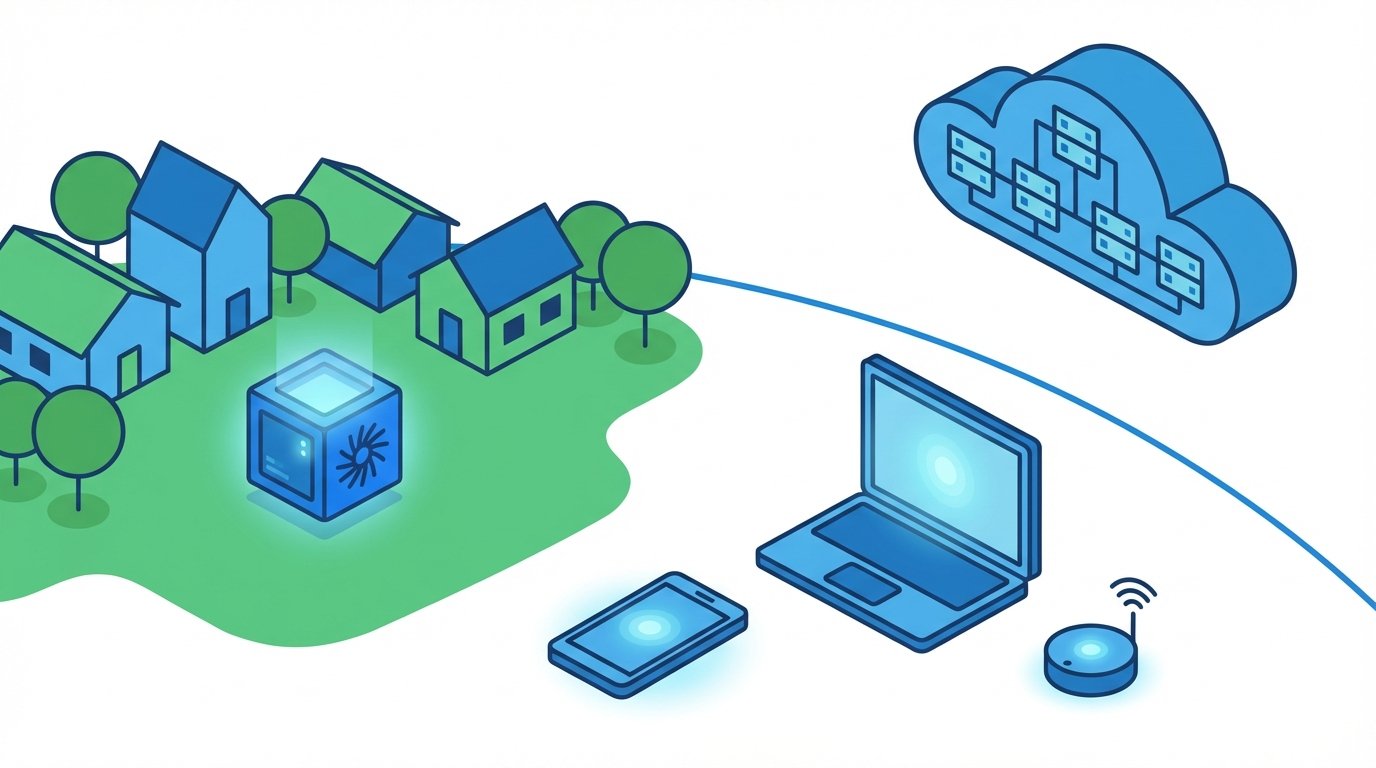
The traditional model of relying on massive, centralized cloud facilities is undergoing a significant transformation. We are now seeing a decisive shift towards edge computing, where data processing happens closer to the source of data generation. This move is largely driven by the explosion of on device artificial intelligence. As a result, computation is moving from distant servers to the powerful devices in our hands and on our desks. This fundamental change is reshaping the digital landscape, creating a need for a new kind of infrastructure that is faster, more private, and more efficient.
The most prominent examples of this trend come from industry giants. Apple is integrating its on device AI, Apple Intelligence, which runs on specialized chips within its latest products. Similarly, Microsoft’s new Copilot+ laptops are designed with on device AI processing at their core. These innovations allow for real time responses and a higher degree of personalization without sending sensitive data to the cloud. Because the processing happens locally, users benefit from increased speed and enhanced privacy.
This rise in edge AI directly fuels the demand for a different type of data centre. Nvidia CEO Jensen Huang aptly calls data centres ‘AI factories’, and now we are seeing the emergence of smaller, distributed versions of these factories. Instead of one giant plant, the industry is moving towards numerous customized ‘edge’ data centres located near large populations. This approach, as industry expert Mark Bjornsgaard notes, means that “Small is definitely the new big.” These compact and efficient facilities are essential for supporting the computational demands of edge AI applications.
The benefits of this decentralized model are numerous and impactful. It addresses some of the most pressing challenges of the cloud computing era while unlocking new possibilities.
- Reduced Latency: By placing small data centres closer to users, the time it takes for data to travel is significantly shortened. This results in quicker response times for applications, which is critical for technologies like autonomous vehicles and real time analytics.
- Enhanced Data Privacy: Processing data locally on a device or a nearby edge server minimizes the need to transmit personal information over the internet. This strengthens security and gives users more control over their data.
- Innovative and Sustainable Uses: The small footprint of these data centres allows for creative applications. For instance, a tiny data centre the size of a washing machine was successfully operated in Devon. In another case, a British couple used a small data centre in their garden shed to heat their home, showcasing a sustainable way to repurpose excess heat.
Powering the Future: Breakthroughs in Energy Storage Technology
The rapid expansion of artificial intelligence and the proliferation of data centres, both large and small, have created an immense appetite for energy. This insatiable demand highlights a critical challenge: finding sustainable and efficient ways to power our digital world. As a result, the development of advanced energy storage solutions has become just as important as the technologies they support. These innovations are the bedrock upon which a reliable and environmentally responsible tech ecosystem will be built. Therefore, progress in this area is essential for long term growth.
At the forefront of this energy revolution are sodium ion batteries. This technology is gaining significant attention as a viable alternative to the long dominant lithium ion batteries. The primary advantage of sodium ion batteries lies in the abundance and low cost of sodium, which is far more common than lithium. This distinction is so significant that MIT Technology Review recognized sodium ion batteries as one of its 10 Breakthrough Technologies. Because they do not rely on scarce materials, these batteries offer a more sustainable and democratized approach to energy storage.
The impact of this innovation extends far beyond consumer electronics. Sodium ion batteries are particularly well suited for large scale applications like grid storage. By creating massive battery farms, utility providers can store excess energy generated from renewable sources like solar and wind. This stored power can then be released during periods of high demand, ensuring a stable and consistent energy supply for the data centres and AI factories that form the backbone of our modern economy. This capability is crucial for balancing the grid and reducing our reliance on fossil fuels. The real world viability of this technology is already being proven, with companies beginning to use sodium ion batteries in electric vehicles, signaling a major shift in the industry. Ultimately, these advancements in energy storage are fundamental to creating a truly sustainable and efficient technological future.
| Company Name | Financial Statistics (2025) | IPO Preparation Details | Platform Reach | Market Impact Notes |
|---|---|---|---|---|
| Liftoff Mobile | Revenue: >$519 million Net Loss: ~$48 million Debt: >$1.85 billion |
Joint Lead Bankers: Goldman Sachs, Jefferies, Morgan Stanley Additional Banks: 12 |
140,000 apps using its services | Represents a high growth company with significant market penetration. However, the substantial debt and net loss indicate a high risk profile for investors, reflecting a common trend in the current tech IPO landscape where rapid expansion is often prioritized over immediate profitability. |
The Future is Distributed, Intelligent, and Powered by Innovation
In conclusion, the technology landscape is undergoing a profound transformation. The synergistic rise of edge AI and small data centres is decentralizing computation, bringing power closer to the user while enhancing privacy and speed. These advancements, in turn, are only made possible by breakthroughs in energy storage, like sodium ion batteries, which promise a sustainable foundation for this growth. Meanwhile, the fluctuating IPO activity serves as a constant reminder of the high stakes and investor sentiment shaping this dynamic sector.
Navigating these interconnected trends requires more than just awareness; it demands a strategic partner capable of harnessing their potential. At EMP0, we are at the forefront of this evolution, providing sophisticated AI and automation solutions specifically for sales and marketing. Our ready made tools and proprietary AI utilities are designed to leverage these technological shifts. We deliver a full stack AI worker that helps our clients multiply their revenue securely, operating directly within their own infrastructure.
By embracing the principles of edge computing and efficient power use, EMP0 empowers businesses to stay ahead of the curve. We provide the tools to not only adapt to the future but to build it.
To learn more about our work, follow us online:
- Website: emp0.com
- Blog: articles.emp0.com
- Twitter/X: @Emp0_com
- Medium: medium.com/@jharilela
- n8n: n8n.io/creators/jay-emp0
Frequently Asked Questions (FAQs)
What is edge AI and why is it becoming a major trend?
Edge AI refers to artificial intelligence that runs directly on a user’s device, such as a smartphone or laptop, rather than in a distant cloud data centre. This trend is growing because it offers significant benefits. By processing data locally, edge AI reduces latency, which means faster response times for applications. It also enhances user privacy because sensitive information does not need to be sent over the internet. Examples include Apple’s Intelligence system and Microsoft’s Copilot+ laptops, which use specialized chips for on device processing.
How are small data centres related to the rise of edge AI?
Small data centres are a direct consequence of the shift towards edge AI. As more processing happens at the ‘edge’ of the network, there is a growing need for smaller, more localized data centres situated closer to population centers. These facilities support the computational demands of edge devices without the delays of communicating with a large, centralized cloud. This trend embodies the idea that “Small is definitely the new big,” as these compact centres are more efficient for delivering the low latency services required by modern AI applications.
Why are innovations in energy storage so critical for the tech industry’s future?
The entire tech ecosystem, from massive data centres to individual devices, consumes a vast amount of power. Sustainable growth depends on finding better ways to store and manage energy. Technologies like sodium ion batteries, recognized by MIT Technology Review as a major breakthrough, are crucial. They offer a more sustainable and cost effective alternative to lithium ion batteries and are ideal for large scale grid storage. This allows energy from renewable sources to be stored and used when needed, providing stable power for the ‘AI factories’ of the future.
What does IPO activity reveal about the health of the tech sector?
Initial Public Offering (IPO) activity is a key indicator of the financial health and investor confidence in the technology sector. When many tech companies are going public, it generally signals a strong market and optimism about future growth. However, by analyzing the specifics, such as Liftoff Mobile’s IPO, we can see a more nuanced picture. While the company shows impressive revenue and market reach, its significant debt and net loss highlight the high risk, high reward nature of many modern tech investments. Therefore, IPO trends provide a valuable barometer of the industry’s economic climate.