

Resonant computing manifesto and hidden geothermal energy arrive as paired ideas that reimagine tech and power. The first proposes a value-driven approach to computation, emphasizing humanity over short-term growth. The second reveals overlooked geothermal potential beneath our feet, offering clean baseload power for data centers. Together they challenge Silicon Valley norms and suggest new infrastructure for AI and cloud systems.
Moreover, resonant computing focuses on design that aligns social good with engineering incentives. At the same time, enhanced geothermal systems could supply steady electricity where intermittent renewables cannot. For example, EGS techniques tap hot rock deep underground, unlocking heat once deemed unusable. Therefore, integrating both concepts could cut emissions, reduce data center reliance on fossil fuels, and improve resilience.
The manifesto encourages technologists to build products that respect users, values, and long-term trust. Meanwhile, geothermal developers promise local power plants that support edge computing and low-latency services. As a result, this hybrid vision feels practical and idealistic at once. However, realizing it requires policy support, investment, and cultural shifts inside big tech companies.
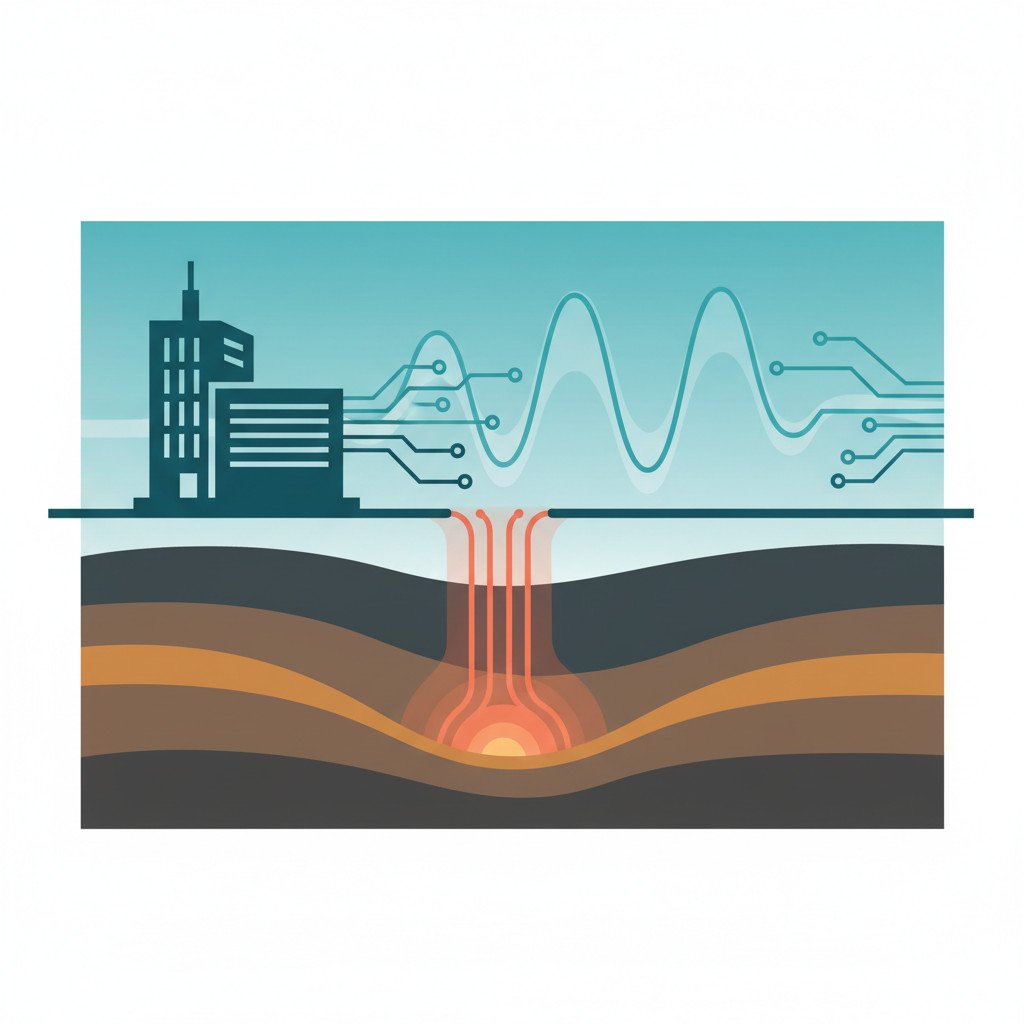
Resonant computing manifesto and hidden geothermal energy: vision and stakes
The Resonant Computing Manifesto frames technology as a public good rather than a growth machine. It asks engineers to prioritize humanity and long term social value. As a result, product design should reward trust, fairness, and durability. Moreover, the manifesto provides a moral compass for teams in search of alternative incentives.
The manifesto matters because modern AI systems shape public life. Therefore, shifting incentives could reduce harm and improve long term outcomes. Resonant computing asks companies to measure impact beyond engagement metrics. For example, teams might prefer models that conserve compute and respect privacy.
How hidden geothermal energy complements the manifesto
Hidden geothermal energy offers steady, low carbon power for compute intensive workloads. Enhanced geothermal systems unlock heat deep underground. This heat can generate baseload electricity for data centers that need steady supply. For technical and policy readers, see the US Department of Energy overview at Enhanced Geothermal Systems Overview for details.
Because geothermal produces stable power, it reduces the need for fossil fuel peaker plants. Consequently, tech companies can claim cleaner infrastructure and fewer emissions. Pairing responsible software with cleaner power magnifies impact. For concrete examples of commercial development, read about a leading developer at Fervo Energy.
Practical implications for sustainable tech innovation
- Lower operating carbon through steady geothermal supply.
- Better product incentives when teams value long term social outcomes.
- Resilience because local geothermal plants reduce grid vulnerability.
In addition, investors and policymakers can accelerate this pairing. For instance, incentives for grid interconnection and long term power purchase agreements will help. Meanwhile, engineers can adopt energy aware model design and efficient hardware. Finally, combining policy, investment, and cultural change will make both ideas practical. Together, resonant computing and geothermal energy offer a credible pathway to more humane and sustainable tech.
| Approach | Efficiency | Environmental Impact | Cost | Scalability | Innovation Potential |
|---|---|---|---|---|---|
| Traditional computing and conventional energy | Moderate to low. Data centers often run redundant capacity. As a result, utilization falls. | High. Heavy reliance on fossil fueled grids raises emissions and local pollution. | Variable short term. However, fuel price swings raise operating risk. | Easy to scale by adding racks. However, scaling increases energy and cooling needs. | Focused on density and speed, often at expense of social value. |
| Resonant computing manifesto and hidden geothermal energy | Higher through energy aware models and efficient hardware. Therefore compute per useful result improves. | Low carbon baseload from geothermal. Consequently, grid emissions for data centers fall. | Higher upfront for drilling and transition. Meanwhile operating costs are more stable and lower. | Site dependent for geothermal. However, computing practices scale through software and hardware reuse. | High. Aligns incentives with social impact and encourages sustainable infrastructure. |
Evidence and case studies supporting resonant computing and hidden geothermal energy
Below are concrete examples, data points, and pilot projects that support the promise of resonant computing manifesto and hidden geothermal energy.
- Manifesto momentum and community uptake: The Resonant Computing Manifesto launched publicly at WIRED’s Big Interview. As a result, the conversation gained visibility and attracted technologists who want humane design. Read the WIRED write up at WIRED.
- Enhanced Geothermal Systems overview: The US Department of Energy explains how EGS can expand geothermal resource use. Therefore, EGS provides a technical basis for baseload power that supports data centers. See the DOE page at DOE.
- Commercial EGS progress at Fervo Energy: Fervo demonstrated horizontal well pairs and fast drilling that cut costs. For example, Project Red achieved multi megawatt flows. Consequently, Fervo reduced drilling time and costs across newer wells. Detailed updates are at Fervo Energy Updates and company milestones at Fervo Milestones.
- Independent reporting and investment signals: Major outlets covered Fervo’s breakthroughs and funding. For instance, CNBC reported on Project Red’s technical milestones at CNBC. TechCrunch documented Fervo’s $206 million financing round and scale ambitions at TechCrunch.
- Regional resource mapping and potential: State geological surveys map large untapped geothermal zones. For Nevada specifics, see the Nevada Bureau of Mines and Geology resources at Nevada Bureau of Mines.
Why this matters
- Technological readiness exists because drilling, stimulation, and horizontal-well techniques improved. Therefore geothermal can move from pilots to commercial plants.
- Policy and capital are following technical wins, which reduces project risk for long term power deals.
- Combined impact is plausible: responsible software design reduces compute demand, while geothermal supplies cleaner baseload power. Consequently, the two trends reinforce each other.
These data points show that both the manifesto and geothermal technologies have real, complementary pathways from idea to impact.
Conclusion
The Resonant computing manifesto and hidden geothermal energy together sketch a practical path for more humane and sustainable tech. The manifesto asks teams to prioritize social value and durability. Meanwhile geothermal supplies stable low carbon power that data centers need. As a result, engineers can design less wasteful models, and operators can rely on cleaner baseload electricity.
This pairing has real leverage. Therefore investors and policymakers should reduce barriers to geothermal projects. Moreover companies should adopt energy aware engineering and long term procurement. Finally cultural change inside firms will turn principles into practice.
EMP0 can help organizations navigate this transition. EMP0 is a US based company that builds AI and automation solutions to accelerate growth and operational efficiency. Visit EMP0 at EMP0 and the EMP0 blog at the EMP0 blog for case studies and tools. Also see EMP0 workflows on n8n at EMP0 workflows. As a partner in AI powered innovation EMP0 can align software design with cleaner infrastructure and measurable impact.
In short, transformative potential exists. With investment, governance, and partners like EMP0 the vision can scale.
Frequently Asked Questions (FAQs)
What is the Resonant Computing Manifesto and how does it relate to hidden geothermal energy?
The Resonant Computing Manifesto promotes humane, value driven engineering. Therefore it asks teams to prioritize social good over perverse metrics. The phrase resonant computing manifesto and hidden geothermal energy ties product ethics to cleaner power. In short, the manifesto reshapes incentives while geothermal supplies the steady power needed for sustainable systems.
Can geothermal power realistically supply data centers?
Yes. Enhanced Geothermal Systems offer baseload electricity that runs 24 hours. For example, the US Department of Energy explains EGS technical pathways at Enhanced Geothermal Systems. Commercial pilots from Fervo show advances in drilling and flow that lower costs. See Fervo updates at Fervo energy updates and financing coverage at TechCrunch coverage.
Will resonant computing slow innovation or growth?
Not necessarily. Instead, resonant computing redirects innovation toward long term value. Consequently teams may pursue efficiency, fairness, and durable products. This approach can reduce waste and foster trust.
What barriers remain to pairing these ideas?
Major barriers include upfront drilling costs, permitting, and site limits. Moreover grid interconnection and long term contracts can slow projects. For regional context, see geological resource mapping at geological resource mapping.
How can companies start today?
Run energy aware model audits.
Negotiate pilot power purchase agreements with geothermal developers.
Design for data efficiency and reuse.
Invest in local microgrids and resilience planning.