
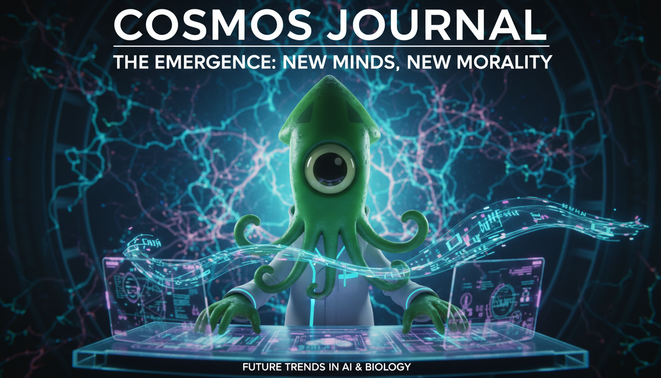
The Prediction Power and Influence of Modern AI Systems
Large language models now shape our daily digital existence. These systems wield immense prediction power and influence over how we process information. We often view them as simple software tools. However, they increasingly behave like complex living systems. This shift creates a sense of unease among many researchers and observers.
Experts suggest that predictions represent power and control. If a hidden predictive layer makes you feel uneasy, you are not alone. Furthermore, as these models grow, they display emergent behavior. These are skills or traits that developers did not specifically design.
For instance, a model might learn logic or coding without direct instruction. This unpredictability makes the future of technology hard to map. As a result, we must approach these advancements with a high degree of caution. History shows that mathematical rationality took hold after World War Two to guide our logic. Today, we apply these same principles to deep learning models.
The moral implications of such systems are profound. Because algorithms now guide human decisions, we face new ethical risks. Machine mediated choices can reinforce old biases or create new social problems. Consequently, we must ask if these systems reflect our best human values. Machines struggle to replicate human morality perfectly.
Additionally, future trends suggest even deeper integration of AI into our lives. These models will soon manage more than just text. They will likely oversee physical tasks and complex workflows. Therefore, we need to understand the underlying mechanics of their influence.
This exploration helps us ensure that technology serves the collective good. We are entering an era where machines act as partners rather than just tools.
Understanding Prediction Power and Influence in AI
Large language models operate on a scale that few humans can truly grasp. These systems rely on vast amounts of data to provide answers. Consequently, they hold a unique form of prediction power and influence over users. We must realize that every suggestion from an AI is a subtle exercise of authority. Therefore, we should view these tools through a lens of societal governance.
Modern machine learning mostly depends on supervised learning methods. This process uses historical data to forecast future events or behaviors. Because these models look backward, they often repeat the mistakes of the past. However, they do so with a speed that human minds cannot match. As a result, machine mediated prediction becomes a primary way we see the world.
Here are some key ways these systems exert their dominance:
- They filter information based on what they think you want.
- Machines nudge users toward specific choices during online interactions.
- Systems redefine what we consider to be normal or rational behavior.
- Models automate moral reasoning by suggesting preferred ethical outcomes.
Specifically, algorithms now shape our intuition in profound ways. When we rely on a machine, we often outsource our own judgment. Furthermore, this shift can lead to a decline in critical thinking skills. Since the AI provides a ready answer, we stop asking difficult questions. We might ignore our gut feelings because the computer suggests a different path.
Meanwhile, the influence of these models extends to our social institutions. Organizations use them to hire staff or approve loans. Clearly, these decisions impact the lives of millions of people daily. Because the logic remains hidden, we cannot always challenge the results. Therefore, the need for transparency is greater than ever before. Predictions are ultimately about power and control.
We should look at work from places like the University of Chicago. Scholars there study how technology reshapes our legal and moral frameworks. You can find their research at University of Chicago to learn more. Additionally, Harvard University provides insights into the ethics of AI at Harvard University. Their experts often discuss the long term risks of autonomous systems. Finally, journals like Nature at Nature publish studies on machine behavior. Such resources help us understand how prediction power and influence work in society.
Comparison of AI and Human Cognition
We must compare how silicon and biology handle complex tasks. Therefore, we should look at growth and logic in both systems. For instance, machines rely on data while humans use empathy. Consequently, their moral choices differ greatly. We see these traits in studies from Harvard University and Stanford University. These schools examine how technology changes our world. Furthermore, research in Nature shows how emergent behavior evolves.
| Attribute | AI Systems | Human Minds |
|---|---|---|
| Learning | Data scaling | Social study |
| Logic | Pattern matching | Moral choice |
| Change | Model updates | Lifelong growth |
This comparison shows how machines and humans process information. These systems differ in growth and logic. While machines predict patterns, humans rely on empathy. Every system has unique strengths. We should use both to solve global problems. This partnership helps us reach better results. Ultimately, we must guide these systems with care.
Future Trends and the Shifting Prediction Power and Influence
As we look ahead, the prediction power and influence of these models will only grow. Engineers are building systems that can reason through complex logic. Consequently, these tools will soon handle even more sensitive human data. This trend mirrors the historical rise of mathematical rationality post World War II. During that time, scholars began using numbers to guide social policy. Now, we apply those same rigid frameworks to digital brains.
However, the stakes are much higher in the modern age. Because machines learn from us, they also adopt our deepest flaws. This reality sparks intense debates about morality in artificial intelligence. We must decide if a machine can ever truly understand right from wrong. Researchers at the University of Chicago often explore these difficult social questions. You can find their work at University of Chicago Press.
In the coming years, we will see more autonomous agents in the workplace. These agents will manage tasks without human supervision. Furthermore, they will influence how businesses allocate their resources. Because of this, we must ensure these systems remain transparent. We need to study how algorithms impact human intuition. Organizations like Stanford provide resources on technological ethics. You can visit Stanford University for their latest reports.
Moreover, the impact on healthcare will be significant. For instance, consider how technology changes medical screening processes. As models gain more prediction power and influence, they will assist doctors in making choices. Therefore, we need strong ethical guidelines to protect patients. We should look to journals like Nature for the latest scientific findings. Visit Nature to access their peer reviewed articles.
Finally, the relationship between humans and machines is evolving. We are no longer just users of technology. Instead, we are becoming parts of a larger predictive ecosystem. This new era requires us to stay informed and vigilant. We must continue to study these living systems to ensure a safe future for all. Society must prioritize the common good over simple efficiency.
Conclusion
The exploration of large language models and their prediction power and influence highlights both their transformative potential and the challenges they present. These models now play a crucial role in shaping modern society. However, we must recognize the profound implications of their emergent behavior and moral reasoning capabilities.
As we’ve discussed, predictions equate to power and control. Consequently, this reality necessitates ethical guidelines and a commitment to transparency. This ensures that technology continues to serve humanity’s best interests. Moreover, educators and policymakers must remain informed about these systems’ evolving roles.
EMP0 stands at the frontier of AI-driven solutions. They leverage the latest trends in AI and automation to enhance sales and marketing efforts for B2B companies. Their expertise in AI technology empowers organizations to maximize ROI and streamline operations. With a focus on ethical AI applications, EMPO provides tools that foster growth without sacrificing responsibility.
For more insights into EMP0’s AI-driven solutions, visit their blog. They offer insights into how AI transforms workflows and reshapes industries. Moreover, n8n provides innovative automation solutions tailored to creative needs. You can explore their offerings at n8n.
As we move forward, the relationship between humans and machines will continue to evolve. Together, we must navigate this complex dynamic with care and foresight to ensure that these technologies align with societal values.
Frequently Asked Questions (FAQs)
What is prediction power and influence in large language models?
This term describes how AI systems use data to shape human choices. Because these models predict our next words or actions, they guide our daily digital interactions. This creates a hidden layer of control over the information we see. Consequently, the machines gain a form of social authority in our lives.
What does emergent behavior mean for AI systems?
Emergent behavior refers to skills that an AI develops without specific training. For example, a model might learn to solve math problems while only being trained on text. These traits often surprise the developers who built the system. As a result, we must study these models as complex living systems.
Can machines exhibit true moral reasoning?
Current models can simulate moral reasoning by using patterns in human text. However, they do so without a soul or personal conscience. They simply reflect the ethical views found in their training data. Therefore, we should view their moral outputs with a high degree of caution.
How does supervised learning affect AI bias?
Supervised learning relies on past data to forecast the future. This method often reinforces existing social biases and historical mistakes. Because the models look backward, they might struggle to adapt to new moral standards. Consequently, researchers must work hard to audit these systems for fairness.
What are the major future trends for these systems?
Future trends include the rise of autonomous agents that manage physical tasks. These systems will become more integrated into our workplaces and homes. Furthermore, they will likely handle sensitive data in healthcare and law. Therefore, the need for transparency and human oversight will grow as technology advances.