The Hidden Risk in Your AI’s Training Data
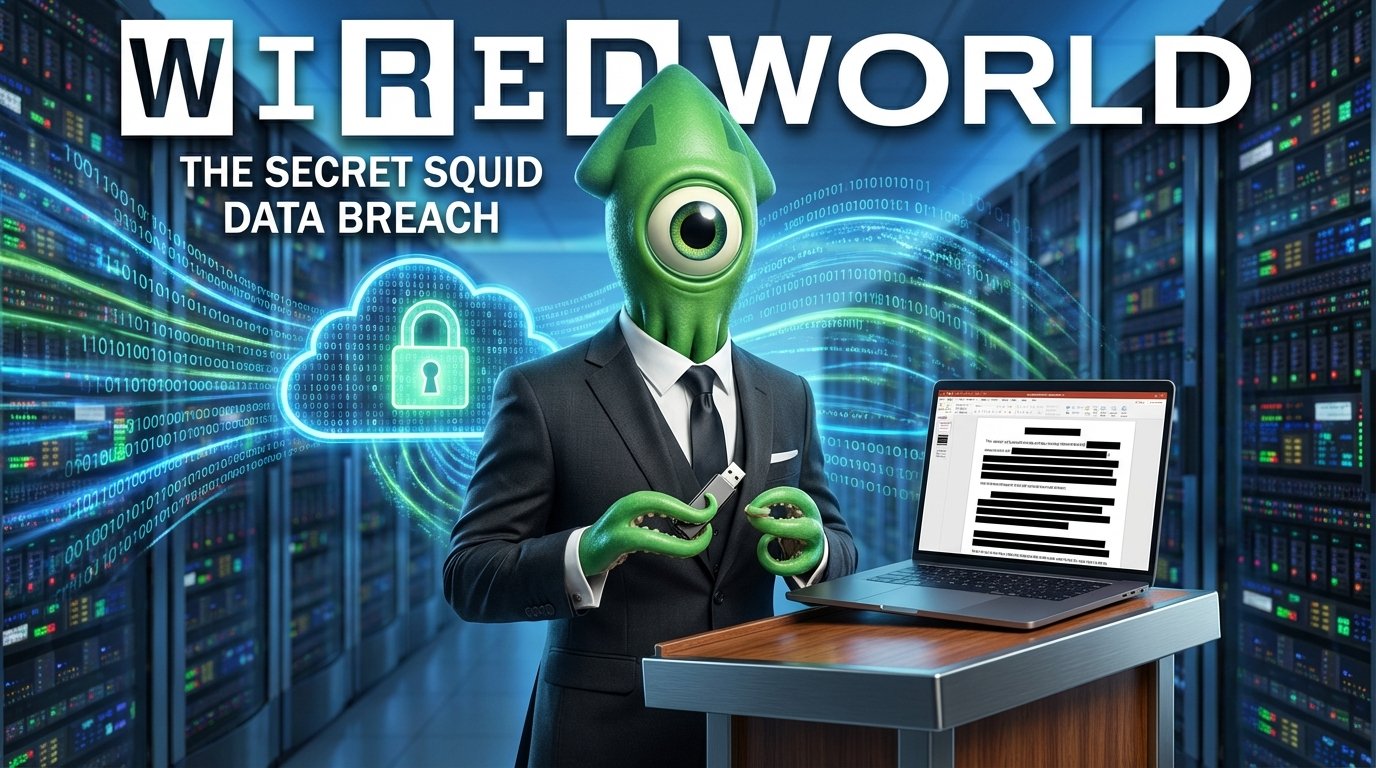
What if the data powering the next generation of artificial intelligence was built using confidential information? This question is no longer hypothetical. The insatiable hunger for high quality training material has led to some alarming practices. Recent reports show that OpenAI contractors uploading real work for AI training data is a key part of the company’s strategy. While this method aims to improve powerful models like ChatGPT, it also opens a Pandora’s box of privacy, security, and intellectual property concerns.
Imagine a freelance consultant drafting a confidential business plan for a startup. To earn a little extra income, they submit that same document to an AI company as a work sample. Suddenly, the startup’s secret strategies and financial projections become just another data point in a vast training set. As a result, this sensitive information could be absorbed and potentially replicated by an AI, exposing critical trade secrets to the world.
This practice raises profound questions about consent and confidentiality. It places a significant amount of trust in third party contractors to accurately judge what is and is not proprietary information. The line between a generic work example and a sensitive document is dangerously thin. Therefore, this article explores the enormous risks companies and individuals face when real, on the job work becomes the raw material for AI development.

The Gamble of AI Progress: OpenAI Contractors Uploading Real Work for AI Training Data
The push for more advanced AI has created an enormous demand for high quality training data. To meet this need, companies like OpenAI, in partnership with platforms such as Handshake AI, have turned to an unconventional source: third party contractors. These individuals are encouraged to submit “real, on the job work” they have “actually done” in exchange for payment. This strategy, however, is fraught with peril. It blurs the lines between legitimate data sourcing and a serious breach of trust. By soliciting these work samples, these companies are essentially crowdsourcing a massive library of potentially sensitive corporate and personal information.
This approach to gathering training data introduces significant risks for the original creators of the content and their clients. When contractors upload documents, spreadsheets, or presentations, there is no foolproof system to ensure that all proprietary information has been removed. As reported by Wired, intellectual property lawyer Evan Brown highlights the danger, stating that a company using this method is “putting itself at great risk.” He further explains that OpenAI is placing “a lot of trust in its contractors to decide what is and isn’t confidential.” This reliance on individual judgment is a fragile foundation for data security.
This entire process creates a chain of liability with several critical weak points:
- Confidentiality Breaches: Contractors may unknowingly or carelessly upload documents containing trade secrets, financial data, or strategic plans. This exposes the source companies to intellectual property theft.
- Privacy Violations: The uploaded materials could easily contain personally identifiable information (PII), such as names, addresses, or medical details, violating privacy regulations.
- Lack of Oversight: The sheer volume of data makes it nearly impossible for OpenAI or its partners to manually vet every submission for sensitive content. Automated tools can miss context, making them unreliable for this task.
- Ethical Gray Areas: Contractors might not have the legal right to share the work they produced for a client, placing them in a legally precarious position.
Comparing Data Sourcing Practices and Risks
To better understand the risks involved, it’s helpful to compare the data sourcing practices of the companies involved. The following table breaks down the key aspects of their approach, highlighting the significant reliance on third party contractors for data security.
| Feature | OpenAI & Handshake AI Approach |
|---|---|
| Data Types Requested | Common business documents including Word docs, PDFs, PowerPoint presentations, and Excel spreadsheets. |
| Confidentiality Risks | High. There is a significant chance of exposing proprietary information, client data, and personally identifiable information. |
| Risk Mitigation Methods | The primary method is relying on contractors to manually redact sensitive information. OpenAI also mentions using automated tools like “Superstar Scrubbing,” but their effectiveness is not guaranteed. |
| Level of Trust in Contractors | Extremely High. The entire data sourcing model is built on the assumption that contractors will act ethically and effectively as the sole guardians of data confidentiality. |
This comparison makes it clear that while some safeguards exist, the process is fundamentally dependent on the diligence of individual contractors. As a result, this creates a high risk environment for data leakage and privacy breaches.
The Real World Consequences of Crowdsourced Data
The theoretical risks of using real work for training data become much more alarming when examined through the lens of real world evidence. Reports from major technology publications have shed light on the precarious nature of OpenAI’s data sourcing methods. Both TechCrunch and Wired have detailed how the company’s reliance on third party contractors creates a direct pipeline for sensitive information to enter AI training datasets. This practice is not a minor operational detail; it represents a fundamental challenge to data security and corporate confidentiality.
The core of the problem lies in the human element. By asking contractors to upload their work, OpenAI is placing the immense responsibility of protecting proprietary information and personally identifiable information (PII) on individuals. These contractors may not have legal training or a clear understanding of the nuances of non-disclosure agreements. Furthermore, the financial incentive to provide data quickly could lead to carelessness. An Excel spreadsheet containing client contact details or a PowerPoint presentation outlining a future product launch could easily be uploaded by a contractor who fails to recognize its sensitive nature. As a result, invaluable company secrets are put at risk.
Journalistic investigations have confirmed these practices. According to a report from TechCrunch, OpenAI is actively soliciting these work samples to accelerate its development of white collar automation tools. This highlights the strategic importance of this data, yet it also underscores the scale of the potential problem. If thousands of contractors are uploading documents, the probability of a significant data leak increases exponentially. The article emphasizes that despite OpenAI providing a scrubbing tool, the final judgment on what is confidential rests with the contractor, a point legal experts see as a massive gamble.
A separate detailed report from Wired reinforces these concerns, describing the program as asking for work “actually done” by contractors. This practice could include anything from internal memos to detailed project plans. Imagine a contractor uploading a draft of a patent application or a confidential market analysis report. Once that information is ingested by a large language model, it becomes part of the model’s knowledge base. Consequently, the AI could potentially reproduce that sensitive data in response to a prompt from a completely unrelated user, effectively publicizing a trade secret. These examples show that the risks are not just theoretical; they are a direct and predictable outcome of this data collection strategy.
CONCLUSION
The journey to powerful AI is paved with data, but the methods used to source it demand intense scrutiny. The practice of OpenAI contractors uploading real work for AI training data reveals a critical flaw in the current approach. It places an immense burden of trust on individuals and exposes businesses to unacceptable risks of intellectual property theft and privacy breaches. The lesson is clear: innovation cannot come at the expense of confidentiality.
However, the potential of artificial intelligence to transform businesses remains undeniable. The key is to pursue AI driven growth with a partner who prioritizes data security from the ground up. This is where EMP0 (Employee Number Zero, LLC) provides a secure path forward. As a trusted AI and automation solutions provider, EMP0 helps businesses deploy powerful growth systems built on robust data privacy practices.
By leveraging solutions like our Content Engine, Marketing Funnel, and Sales Automation, you can harness the power of AI without compromising your sensitive information. Do not let data sourcing risks hold your business back. Explore how EMP0 can help you achieve safe, scalable, and secure AI powered growth.
Website: emp0.com
Blog: articles.emp0.com
Twitter/X: @Emp0_com
Medium: @jharilela
n8n: Jay Emp0
Frequently Asked Questions (FAQs)
Why does OpenAI use real work for AI training?
Using real on the job work provides high quality, contextual data. This helps improve the performance of AI models like ChatGPT for professional and white collar tasks.
What are the biggest risks involved?
The main risks include the accidental exposure of proprietary information and trade secrets. It also includes personally identifiable information (PII), which can lead to serious security and privacy breaches.
What safeguards exist to prevent data leaks?
OpenAI relies on contractors to remove sensitive details. They may also offer automated scrubbing tools, but the effectiveness depends entirely on individual contractor diligence.
Can my data be removed if it is uploaded by mistake?
It is incredibly difficult, and often impossible, to remove specific data points from a large language model once it has been trained on them.