

Unveiling Nvidia’s Next Generation AI Platform
The world of artificial intelligence is advancing at a breathtaking pace. Therefore, the need for more powerful and efficient computing has never been greater. Nvidia, a leader in this technological race, has once again raised the bar. Their newest creation, the Nvidia Vera Rubin chips, marks a significant leap forward in AI infrastructure. This system is not merely an incremental update. Instead, it represents a fundamental shift in the technology that drives modern artificial intelligence and complex large language model workflows.
The Vera Rubin platform is poised to redefine the economics of AI. It promises to slash the cost of running AI models, making advanced technology more accessible. Consequently, this innovation will likely accelerate AI adoption across various industries. For companies and developers, this means the ability to train more sophisticated models faster and more affordably than ever before. This article delves into the groundbreaking features of the Rubin system. We will explore how its integrated design and revolutionary components are set to deliver unmatched performance, fundamentally altering the landscape of AI development and deployment for years to come.
A Revolution in a System: Inside the Nvidia Vera Rubin Chips
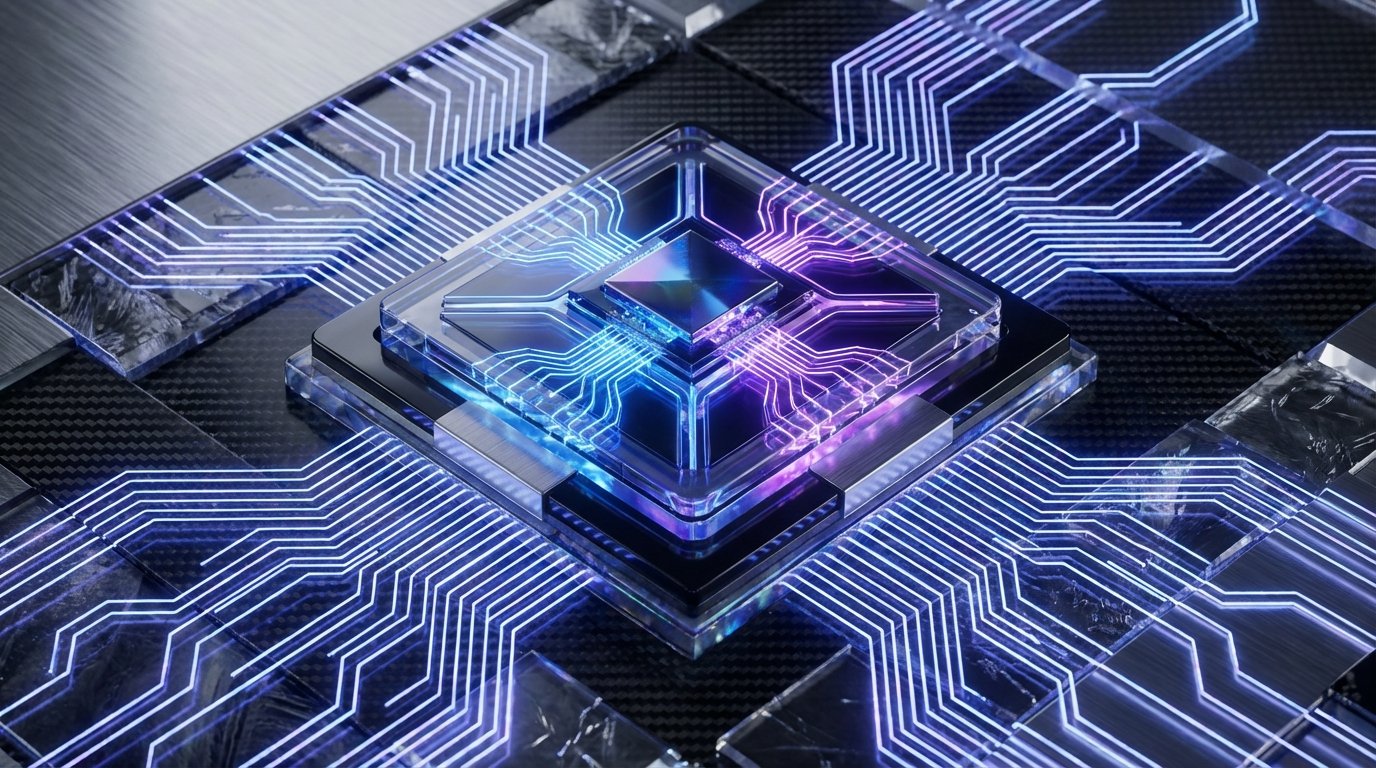
Nvidia’s latest innovation is far more than a single piece of silicon; it is a fully integrated computing platform. The Nvidia Vera Rubin chips are part of a comprehensive system containing six different processors working in harmony. At its core are the Rubin GPU, designed for immense parallel processing, and the Vera CPU, which manages complex computational tasks with incredible efficiency. This integrated approach ensures that every component is optimized to work together seamlessly, eliminating bottlenecks that can slow down demanding AI workflows.
The foundation of this performance lies in its advanced manufacturing. Both the Rubin GPU and Vera CPU are built using Taiwan Semiconductor Manufacturing Company’s sophisticated 3 nanometer process. This cutting edge technique allows for denser and more powerful chips. Furthermore, the system incorporates the most advanced high bandwidth memory and sixth generation interconnect technologies available today. As a result, data flows between the chips at unprecedented speeds. This holistic design represents a true milestone in AI hardware, moving beyond raw processing power to create a balanced, hyper efficient ecosystem for developing and deploying the next generation of artificial intelligence.
Real World Impact of the Nvidia Vera Rubin Chips
The promises of the Nvidia Vera Rubin chips are backed by concrete data and strong industry partnerships. At the Consumer Electronics Show in Las Vegas, Nvidia CEO Jensen Huang confidently stated, “Today, I can tell you that Vera Rubin is in full production.” This announcement signals that the next wave of AI hardware is not a distant concept but an impending reality. The most significant claim is the drastic reduction in AI training cost. The new system is engineered to cut the expense of running artificial intelligence models to just one tenth of the cost of its predecessor, the Blackwell system.
This leap in economic efficiency is matched by a massive gain in processing power. Vera Rubin can train some large models using approximately one fourth of the number of chips that Blackwell would require. This efficiency has captured the attention of major technology companies. Key partners like Microsoft and CoreWeave are already preparing to integrate the new technology. They are expected to be among the first to provide Rubin powered services to their customers later this year. Furthermore, Microsoft is making substantial investments, with plans to equip two major new AI data centers in Georgia and Wisconsin with thousands of Rubin chips. Nvidia has confirmed that the Rubin system will begin reaching customers in late 2026, with a significant increase in availability expected in the second half of the year.
| Feature | Nvidia Vera Rubin System | Nvidia Blackwell System |
|---|---|---|
| AI Model Running Cost | ~1/10th of Blackwell System | Industry Benchmark |
| Chip Count Efficiency | Requires ~1/4 as many chips for certain models | Baseline Performance |
| Manufacturing Process | TSMC 3-nanometer | TSMC 4NP (Custom 4nm) |
| Memory Technology | Most Advanced High Bandwidth Memory | High Bandwidth Memory 3e (HBM3e) |
| Interconnect Technology | Sixth-Generation Interconnect | Fifth-Generation NVLink |
The Future is Now: Seizing the AI Advantage
The arrival of the Nvidia Vera Rubin chips signals a pivotal moment for the artificial intelligence industry. This is not just an incremental improvement; it is a transformative leap that dramatically lowers the cost and complexity of deploying world class AI models. By integrating multiple specialized chips into a single, cohesive system, Nvidia has created a platform that will accelerate innovation and broaden access to powerful computational resources. The implications are clear: the barrier to entry for developing sophisticated AI is falling, opening up a new era of opportunity.
Capitalizing on these technological breakthroughs is crucial for any forward thinking business. This is precisely where EMP0 excels. We build advanced AI and automation solutions that translate raw computing power into measurable business growth. Our AI powered systems for sales and marketing are designed to help you multiply revenue by optimizing your processes and engaging customers more effectively. We deploy these tools securely within your own infrastructure, ensuring you maintain full control over your data and operations. As the hardware foundation for AI becomes exponentially more powerful, partnering with experts who can build practical, high return on investment applications is the key to staying ahead. Discover how EMP0 can help you build your future with intelligent automation.
Frequently Asked Questions (FAQs)
What makes the Nvidia Vera Rubin chips so significant?
The Nvidia Vera Rubin system is a major breakthrough in AI hardware. It is not just a single chip but an entire platform composed of six distinct chips, including the powerful Rubin GPU and the efficient Vera CPU. This integrated design allows all components to work together perfectly. As a result, it removes performance bottlenecks and boosts overall efficiency for demanding AI tasks.
How does the Rubin platform lower the cost of artificial intelligence?
The Rubin system dramatically reduces the AI training cost in two key ways. First, it is designed for incredible efficiency, cutting the expense of running AI models to roughly one tenth of the previous generation Blackwell system. Second, it can train large models using significantly fewer chips. This efficiency means businesses save on hardware, energy consumption, and operational overhead, making advanced AI more affordable.
When can we expect to see the Vera Rubin chips in use?
Nvidia has announced that the Vera Rubin system is already in full production. The first customers are scheduled to receive the new chips in late 2026. Following this initial rollout, availability is expected to increase significantly during the second half of the year. Key partners will likely be the first to offer services built on this new technology.
Which major companies are adopting the new Rubin technology?
Leading technology giants are quickly embracing the Rubin platform. For instance, Microsoft and CoreWeave are two of the first partners planning to offer Rubin powered services. Microsoft is making a particularly large commitment. They intend to install thousands of Vera Rubin chips in their new AI data centers, demonstrating strong industry confidence in the system’s capabilities.
What is the primary advantage of the Rubin system for businesses?
For businesses, the main advantage is the democratization of powerful AI. By lowering costs and increasing performance, the Rubin platform enables companies of all sizes to develop and deploy more sophisticated AI models. This change accelerates innovation and opens the door for new applications in areas like customer service, data analysis, and automation. Consequently, it helps businesses gain a significant competitive edge.