
The New Era of AI Connectivity
The Model Context Protocol (MCP) often feels like magic when you first use it. Many experts call it the USB C for AI because it standardizes how models connect to various data sources. This protocol acts as a universal bridge for Large Language Models. Since the technology is relatively new, many developers are still exploring its vast potential.
The Model Context Protocol (MCP) is an open standard. It lets developers build secure and reliable connections between AI models and data. This system replaces the messy world of custom integrations with a unified framework. Orchestrating autonomous workflows requires a stable way for agents to interact with tools and databases. Therefore, this protocol provides a solid foundation by handling context for the model efficiently.
This guide explores how to leverage MCP servers within n8n workflows for better automation. We will cover deployment methods like Docker and Streamable HTTP. Furthermore, you will learn about crucial security best practices to keep your autonomous agents safe. We also examine mature implementations from companies like Stripe and GitHub. As a result, you will gain the knowledge to build powerful agents that handle complex tasks with ease.
Understanding MCP Servers and Deployment Options
Many official MCP servers are now available for developers to use today. For instance, mature implementations include Sentry and Stripe for production environments. You can also use Neon Remote MCP or the GitHub server for repository management. The protocol uses two primary transport methods to communicate. Specifically, Stdio works for local context by piping data directly to the model. However, Streamable HTTP allows for remote connections across the web.
You can choose between several deployment options depending on your needs. Furthermore, self hosting with Docker provides a controlled environment for your tools. Alternatively, remote deployments allow for distributed agent architectures. A critical warning is to never run untrusted servers. Therefore, security experts recommend running all MCP servers inside Docker containers. This approach isolates the server from your main system. Because security is vital, you should also apply least privilege principles. As a result, you protect your infrastructure from potential exploits. Moreover, you should audit the code before you deploy any new server. Logging every tool call is another essential practice for production workflows. Trust is key when you delegate tasks in any autonomous system.
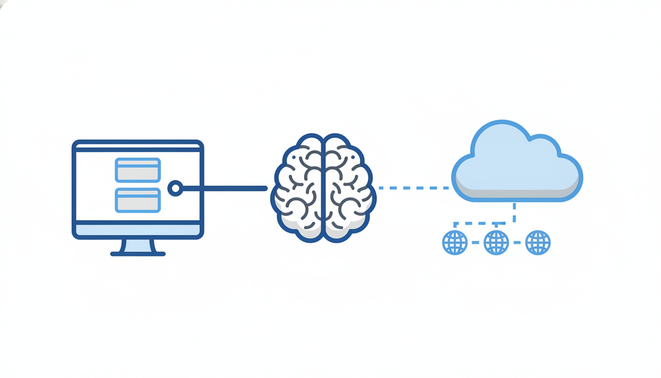
Model Context Protocol (MCP) integration with n8n
Connecting MCP servers to n8n allows for powerful automation. You can use two main setups to achieve this goal. First, the Docker based configuration places both n8n and the MCP server on the same Docker network. This method ensures fast and secure communication between the tools. Second, the remote configuration uses web requests to connect to external servers. This setup is ideal for accessing cloud based data or distributed services.
Consider an autonomous agentic loop that processes your weekly newsletters. The agent reads incoming emails and extracts key themes. Then, it uses the GitHub MCP server to search for related code repositories. Finally, the agent sends a summary to a Discord channel for human review. This workflow turns raw information into actionable blog ideas without manual effort. You can learn more about how Agentic AI delegation and human in the loop control can be trusted to improve these outcomes.
Integrating these technologies helps you build more responsive systems. You can create complex chains that interact with real world data in real time. Because Agentic AI and data readiness is a priority for many firms, these workflows provide clear value. By using n8n, you manage these connections through a visual interface. This reduces the need for custom code while maintaining high security standards.
| Server Name | Description | Transport Methods | Deployment Options | Security Notes |
|---|---|---|---|---|
| GitHub MCP Server | Manage repositories and issues | Streamable HTTP | Remote | Use Bearer tokens |
| Sentry MCP Server | Monitor errors and performance | Stdio, HTTP | Docker, Remote | Audit tool calls |
| Stripe MCP | Process payments and data | Stdio, HTTP | Docker, Remote | Use official images |
| Notion MCP Server | Read and write to databases | Stdio | Docker | Restricted workspace access |
| Qdrant MCP Server | Vector database integration | Stdio, HTTP | Docker | Network isolation |
| PostgreSQL MCP | SQL database context | Stdio | Docker | Least privilege roles |
| Kubernetes MCP | Manage cluster resources | Stdio | Docker, Remote | RBAC configuration |
| MongoDB MCP Server | Document store access | Stdio | Docker | Encrypt connections |
This table provides a quick reference for developers choosing tools for their workflows. Always verify the source before deploying any server in a production environment. Use Docker to ensure environment isolation and better resource management. Additionally, check for updates regularly to patch potential vulnerabilities in these implementations.
Concluding Thoughts on MCP and Secure Automation
The Model Context Protocol represents a massive step forward for the AI industry. Because it offers a standard way to connect models with data, it simplifies development. This protocol makes building autonomous workflows much simpler and safer. However, developers must always follow strict security best practices. You should prioritize deep security auditing and the principle of least privilege. Therefore, these steps prevent unauthorized access to your sensitive systems. Isolated environments help keep your infrastructure protected from potential threats.
EMP0 serves as a leading provider of AI and automation solutions. As a result, we help businesses implement intelligent solutions safely. Specifically, we help businesses deploy AI growth systems securely under client infrastructure. Our team focuses on creating agents that work reliably for your specific needs. Moreover, we ensure that every integration meets the highest safety standards. You can discover more about our work through our technical blog. Explore our deep dives and expert guides at https://articles.emp0.com. Furthermore, each post offers unique perspectives on the future of intelligent automation. Our company provides the tools necessary to scale your operations safely. Additionally, start building secure and powerful AI workflows with us today.
Frequently Asked Questions (FAQs)
What is the Model Context Protocol (MCP) and why does it matter for AI?
The Model Context Protocol acts as a universal bridge for Large Language Models. It provides a standard way for models to connect with external data and tools. Specifically, many developers compare this protocol to a universal connector because it simplifies integrations. Before this standard arrived, developers had to build unique code for every single data source. However, they can now use a unified framework to share context with agents. This makes autonomous systems more powerful and easier to scale across different platforms.
How can I integrate MCP servers with n8n automation workflows?
You can integrate these servers with n8n using two main methods. First, you can use a Docker based setup where both tools share the same network. This method provides the fastest communication and ensures better local security. Second, you can use remote configurations that communicate over web requests. In this case, you connect n8n to a remote endpoint using Streamable HTTP transport. This allows your agents to access cloud databases easily. Consequently, you can use services like GitHub and Stripe for more complex tasks. If you need to test webhooks locally, please note that the n8n Tunnel Service is now discontinued. Therefore, we recommend using modern alternatives for local testing.
What are the differences between Stdio and Streamable HTTP transport?
These two methods define how data moves between the model and the server. Developers use Stdio transport for local context where the model and server run together. It pipes data directly through standard input and output channels. On the other hand, engineers design Streamable HTTP for remote connections across the web. It allows for asynchronous communication and is ideal for distributed architectures. Therefore, choosing the right method depends on whether your data resides locally or in the cloud.
Which security measures are essential when running MCP servers?
Security is a top priority when delegating tasks to autonomous agents. You should always run your servers inside Docker containers to isolate them from your primary system. This prevents a compromised server from accessing your local files. Furthermore, you should apply the principle of least privilege. This means giving the agent only the specific permissions it needs to complete its job. You should also audit every tool call and log the responses for future review. Moreover, never run untrusted code from unknown sources in a production environment.
Can I convert existing REST or GraphQL APIs into MCP without coding?
Yes, you can use specialized proxy tools to handle this conversion. For instance, you might wonder if an APIAgent proxy can convert REST or GraphQL into MCP with zero code. These proxies act as a translation layer between traditional web services and the new protocol. This approach allows you to leverage your existing infrastructure without rebuilding everything from scratch. It is a highly efficient way to bring legacy data into modern AI workflows. Specifically, using these tools helps you accelerate the deployment of your autonomous agents.