
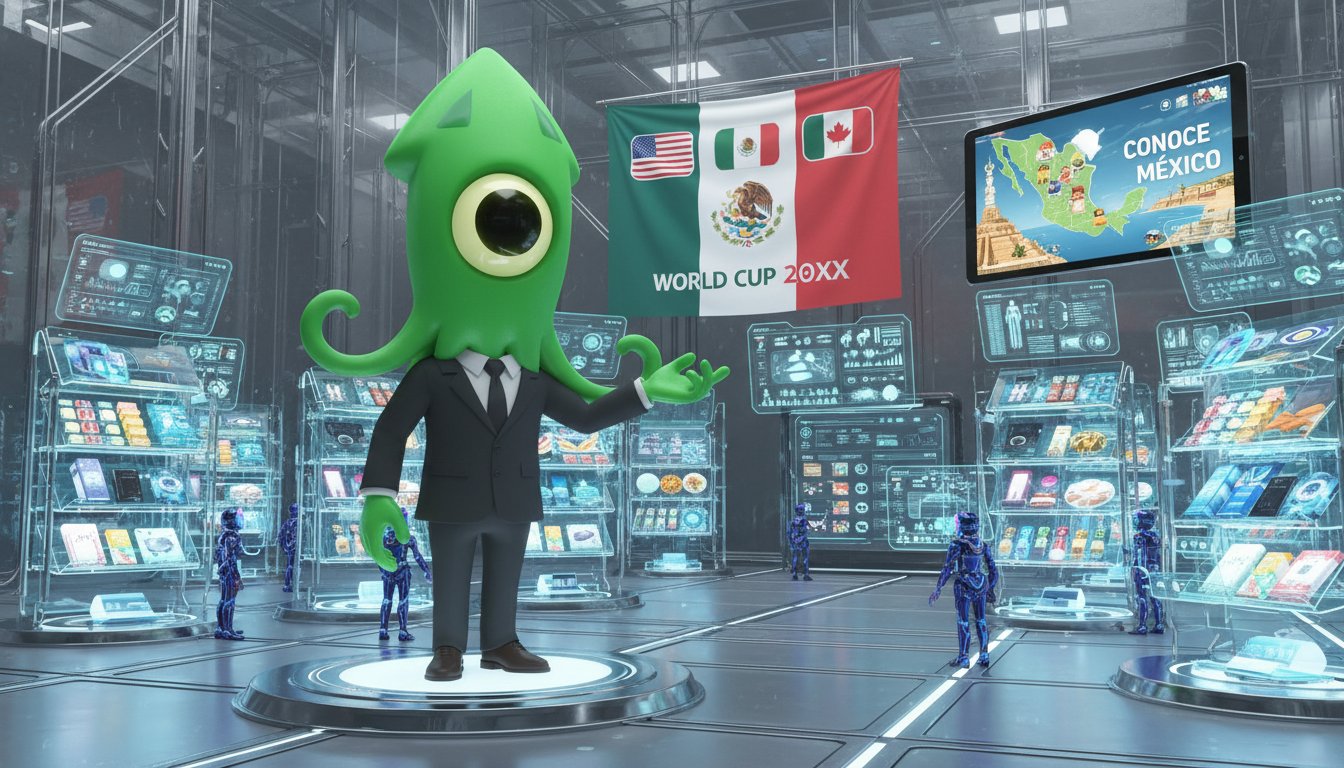
Mexico 2026 World Cup: A Historic Event for Soccer and Fans
The Mexico 2026 World Cup arrives as a historic moment for soccer and fans alike. Because it will be cohosted by Mexico, the United States, and Canada, the tournament expands the sport on a continental scale. Fans can expect 48 national teams and 104 matches, which means more drama, more passion, and more memories for stadiums full of supporters. Meanwhile, Mexico plans major social and public programs tied to the event, and this will magnify the tournament’s cultural and civic impact.
This introduction previews why the Mexico 2026 World Cup matters. First, it will boost tourism and trade across host cities. Second, it will leave a sporting legacy through programs like Vive Saludable and the rehabilitation of thousands of public sports fields. Third, digital tools such as the Conoce México app aim to guide an estimated 5.5 million visitors, therefore improving the fan experience.
Read on to explore the preparations, fan activities, ticketing innovations, and community projects that make this World Cup unlike any other. As a result, both casual viewers and devoted supporters will find reasons to celebrate and to plan their trips.
Planning, Venues, and Scale of the Mexico 2026 World Cup
What makes the Mexico 2026 World Cup unique
The Mexico 2026 World Cup will stretch across vast distances and diverse cities. It will bring 48 national teams and 104 matches to North America, therefore expanding the tournament’s reach. Organizers planned upgrades to stadiums, and they scheduled events in historic urban centers. As a result, fans will see modern arenas and cultural landmarks in the same trip.
Key venue and planning highlights include:
- Host cities across Mexico with refurbished stadiums and public spaces.
- A focus on social programs like Vive Saludable and repairs to over 4,200 public sports fields.
- An interactive tourist atlas with more than 260 fan routes through the Conoce México app.
- A robotics world cup for autonomous robots with real-time broadcasts in Mexican venues.
Because the event involves coordination with FIFA, planning teams work closely with international partners for scheduling and logistics. For official FIFA information see FIFA World Cup 2026. Meanwhile, Mexico’s tourism strategy appears at Mexico Tourism Strategy. Consumer protections and ticketing rules are led by Profeco at Profeco.
This mix of sport, tech, and culture makes the tournament more than matches. It creates civic legacies, boosts tourism, and tests large-scale event management.

Economic and Cultural Impact of the Mexico 2026 World Cup
The Mexico 2026 World Cup will reshape local economies and cultural life. Because the tournament brings 48 teams and 104 matches, it creates sustained tourism demand. As a result, host cities expect more visitors, longer hotel stays, and higher local spending.
Major economic and social effects include:
- Tourism lift: The event will attract domestic and foreign fans, thereby boosting hospitality and retail sectors. See Mexico’s tourism plans at official context.
- Job creation and trade: Large events drive temporary and permanent jobs. Moreover, supply chains for food, transport, and services will expand regionally.
- Community investment: The Mexico 2026 Social World Cup plans over 5,000 activities and 74 tournaments. It also includes about 1,500 Vive Saludable actions and the rehabilitation of 4,200 public sports fields.
- Fan services and tech: The Conoce México app will guide an estimated 5.5 million visitors. Therefore, fan routes and services will improve accessibility and local spending.
- Consumer protections: Profeco will monitor ticketing and pricing to prevent unfair resale. Learn more at Profeco.
Cultural impacts will be equally powerful. Local festivals and fan events will showcase heritage across multiple cities. As a result, small businesses and artisans gain global exposure. Meanwhile, community sports programs aim to leave a lasting legacy beyond the tournament.
However, environmental and resource concerns require attention. Studies warn that large events can strain water and electricity systems. For sustainable event practices, review FIFA’s environmental guidance at FIFA’s environmental guidance.
In short, the Mexico 2026 World Cup promises economic growth and cultural celebration. Yet it also demands careful planning to manage environmental and infrastructure risks.
Hosts and Major Venues: Quick Comparison
This table highlights the main hosts and venues for the Mexico 2026 World Cup. It shows capacity, location uniqueness, and notable features. Use it as a quick reference when planning trips or coverage.
| Host country | Major venue(s) | City | Typical capacity | Location uniqueness | Notable features |
|---|---|---|---|---|---|
| Mexico | Estadio Azteca; Estadio BBVA; Estadio Akron | Mexico City; Monterrey; Guadalajara | 87,523; 53,500; 46,232 | High altitude capital; industrial north hub; cultural heart | Historic finals host; modern design; close to heritage sites |
| United States | MetLife Stadium; AT&T Stadium; Levi’s Stadium | East Rutherford NJ; Arlington TX; Santa Clara CA | 82,500; 80,000 (expandable); 68,500 | Large metro markets; retractable roof; Silicon Valley access | Massive transit options; retractable roof shows; tech infrastructure |
| Canada | BC Place; Commonwealth Stadium; BMO Field | Vancouver; Edmonton; Toronto | 54,500; 56,400; 30,000 (expandable) | Coastal scenery; northern gateway; downtown soccer hub | Retractable roof; multiuse festival spaces; compact fan zones |
Note: Capacities reflect typical seating and may vary for FIFA matches.
Conclusion
The Mexico 2026 World Cup will be more than a tournament. Because it unites three host countries and expands the field to 48 teams, it changes how fans travel and how cities prepare. As a result, stadium upgrades, fan services, and social programs promise lasting economic and cultural gains.
Local communities will see new sports fields and public events. Moreover, tourism and small businesses will gain international exposure. However, the tournament also demands careful planning to manage water, energy, and environmental impacts.
Innovation will shape the legacy. For example, digital tools like the Conoce México app and official ticket platforms aim to improve accessibility and fairness. Therefore, companies that adopt smart automation and AI can capture new opportunities in logistics, customer service, and fan engagement.
EMP0 (Employee Number Zero, LLC) brings AI powered solutions that help businesses grow during big events. Their tools automate workflows, personalize marketing, and scale operations for surges in demand. As a result, organizations can convert short term spikes into long term gains.
For readers planning travel or business around the Mexico 2026 World Cup, now is the time to prepare. The tournament promises excitement, economic momentum, and a test of sustainable, modern event management.
Frequently Asked Questions about the Mexico 2026 World Cup
What are the dates and host countries for the Mexico 2026 World Cup?
The tournament runs in June and July 2026. Because it is cohosted, Mexico, the United States, and Canada all stage matches. As a result, fans will see 48 national teams and 104 matches across many cities.
How do I buy tickets and avoid scams or inflated resale prices?
Buy tickets through official FIFA and national platforms. In Mexico, consumer protections will involve Profeco monitoring resale and misleading ads. Therefore, check official guidance at Profeco before purchasing. Also, look for platforms that display prices in Mexican pesos. This prevents confusing conversions and protects buyers.
What fan services and tech tools will help visitors during the World Cup?
Mexico will launch the Conoce México app to guide fans. It will include tourism, World Cup information, and services. The app will offer an interactive tourist atlas with more than 260 fan routes. As a result, visitors can plan stadium trips, sightsee, and find transport. For overall tournament logistics, see FIFA’s event pages at FIFA World Cup 2026.
What economic opportunities should businesses and cities expect?
The World Cup will boost tourism, trade, and short term jobs. Moreover, programs like the Mexico 2026 Social World Cup propose over 5,000 activities and 74 tournaments. Nearby cities should prepare hospitality, transport, and retail services. Companies can use AI automation to scale operations, improve marketing, and manage ticket relocation systems. Therefore, early planning converts spikes into lasting gains. For national tourism context visit Gob Mexico Sectur.
Will the event pose environmental or infrastructure risks?
Large events can strain water and energy systems. However, FIFA offers sustainability guidance for major tournaments. See FIFA’s water conservation guidance at FIFA Water Conservation. In addition, local organizers must balance growth with resource planning. Otherwise, short term gains might create long term burdens.
If you have more questions about tickets, travel, or fan routes mention Mexico 2026 World Cup in your query. This helps search and planning tools return relevant results.