
Intentional AI Automation and Leadership
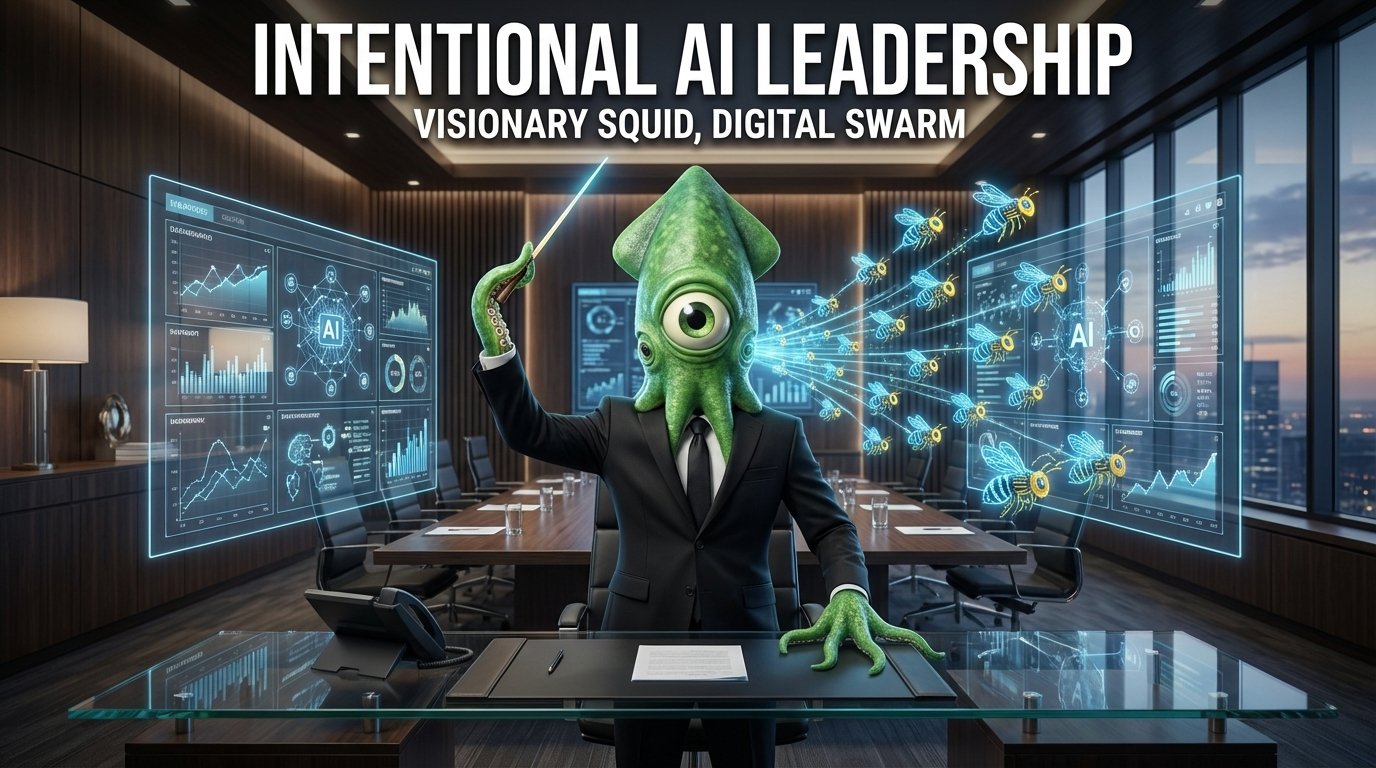
Imagine leading an orchestra, where your role as the conductor is to guide each musician toward a harmonious symphony. In the same way, Intentional AI automation and leadership demand precise direction and careful oversight to achieve their full potential. Without a conductor, you just get noise.
With nearly 80% of businesses adopting some form of AI, the temptation to automate everything is strong. However, this rush often leads to the automation illusion, a dangerous state where leaders mistake activity for progress. Automation without strategy simply masks deeper operational flaws.
Therefore, true success requires a different approach. Leadership must step in to:
- Map the processes that matter most
- Design clear roles before setting rules
- Document procedures thoroughly before delegating
By focusing on these core principles, you can transform your team into a well oiled machine. This ensures AI serves your business goals instead of creating more problems. In this journey, leadership is not just important, it is essential.
Foundations of Intentional AI Automation and Leadership
Just as an orchestra needs a conductor to create harmony, your business needs strong leadership to guide its automation strategy. Without clear direction, you risk creating noise instead of music. True AI powered business transformation begins with intentionality, not technology. To avoid the automation illusion, leaders must establish a solid foundation.
This foundation rests on three core principles:
- Step 1: Map what matters most. Before you automate anything, you must identify and map your most critical processes. This clarity is essential for passing the Decision Test, ensuring you automate the right tasks for the right reasons. Rushing this step is like asking the orchestra to play without sheet music.
- Step 2: Design roles before rules. First, define who owns each process and is responsible for its outcomes. This human centered approach satisfies the Ownership Test, guaranteeing accountability. Only then should you create rules for automation to follow.
- Step 3: Document before you delegate. Create clear Standard Operating Procedures (SOPs) before handing tasks over to AI. This documentation provides the visibility needed to pass the Visibility Test.
Tom’s agency is a perfect example. By implementing these steps, he created a system where his team could thrive. The result? His agency now operates like a well oiled machine, proving that this leadership approach works.

| Test | Purpose | Leadership Implications | Best Practices |
|---|---|---|---|
| Decision Test | Ensures you automate the right tasks for the right reasons. | Requires leaders to think strategically and prioritize high value processes. |
|
| Ownership Test | Confirms clear accountability for every automated process. | Prevents blame games and fosters a culture of responsibility. |
|
| Visibility Test | Guarantees transparency and oversight into automation performance. | Prevents “black box” problems where no one understands what the system is doing. |
|
Step 5: Measure Output, Not Inputs
To truly gauge the success of your automation efforts, you must shift your focus from inputs to outputs. Measuring inputs, such as the number of tasks an AI completes, creates a dangerous automation illusion. It makes you feel productive without confirming that you are effective. This is a critical distinction in leadership.
For example, an AI might process 10,000 tickets, but if customer satisfaction plummets, what have you gained? This is the core issue of outcomes vs inputs. True success isn’t about how busy your digital workers are; it’s about the value they create. Instead of tracking tasks, measure outputs like improved customer retention, reduced error rates, or faster project completion times.
This approach forces a more strategic view of automation. It connects every automated process directly to a business goal. Consequently, leaders can make informed decisions based on real world impact rather than vanity metrics. By focusing on outcomes, you ensure that your automation efforts are not just efficient, but genuinely effective, steering clear of wasted resources and false victories. True leadership demands this level of clarity.
Conclusion
Intentional AI automation and leadership is not a technology checklist. It is a leadership practice that combines clarity, accountability, and measurement. Therefore leaders must map what matters, design roles before rules, and document before delegating. These steps prevent the automation illusion and keep teams focused on outcomes.
However, tools alone will not save a flawed process or weak oversight. Leaders must run the Decision Test, Ownership Test, and Visibility Test before scaling automation. As a result, automation becomes a lever for growth, not a mask for broken workflows. Measure outputs, not inputs, and reward impact over activity.
EMP0 supports this approach with practical, deployable systems. For example, EMP0 offers Content Engine, Marketing Funnel, Sales Automation, Retargeting Bot, and Revenue Predictions. These tools work together as a full stack, brand trained AI worker. Consequently EMP0 helps multiply revenue with AI powered growth systems. They deploy securely on client infrastructure and keep you in control.
If you want a pragmatic path forward, start small and iterate. Contact EMP0 to explore tailored automation that preserves human judgment and drives measurable results.
Website: emp0.com
Blog: Articles
Twitter/X: @Emp0_com
Medium: Medium
n8n: n8n
Frequently Asked Questions (FAQs)
What is Intentional AI automation and leadership?
Intentional AI automation and leadership means using automation deliberately. Leaders map priorities, set roles, and document procedures first. As a result, automation supports goals instead of hiding problems.
How do leaders avoid the automation illusion?
Avoid it by testing decisions, ownership, and visibility. First, map what matters. Then assign owners and document steps. Finally, track outcomes so you measure real impact, not activity.
What are the Decision Test, Ownership Test, and Visibility Test?
The Decision Test checks if automation should decide. The Ownership Test assigns a human owner. The Visibility Test makes outcomes transparent. Together they protect oversight and accountability.
Why measure outputs instead of inputs?
Outputs show business value. Inputs only show activity. Therefore track customer impact, error rates, and revenue changes. This prevents misleading efficiency metrics.
How can teams start practically?
Start small and iterate. Map one critical process. Design roles, write a short SOP, then automate the boring parts. Monitor outputs and refine continuously.