
Intent-Based Digital Marketing Strategy 2026: A Playbook for Brands in the Generative AI Era
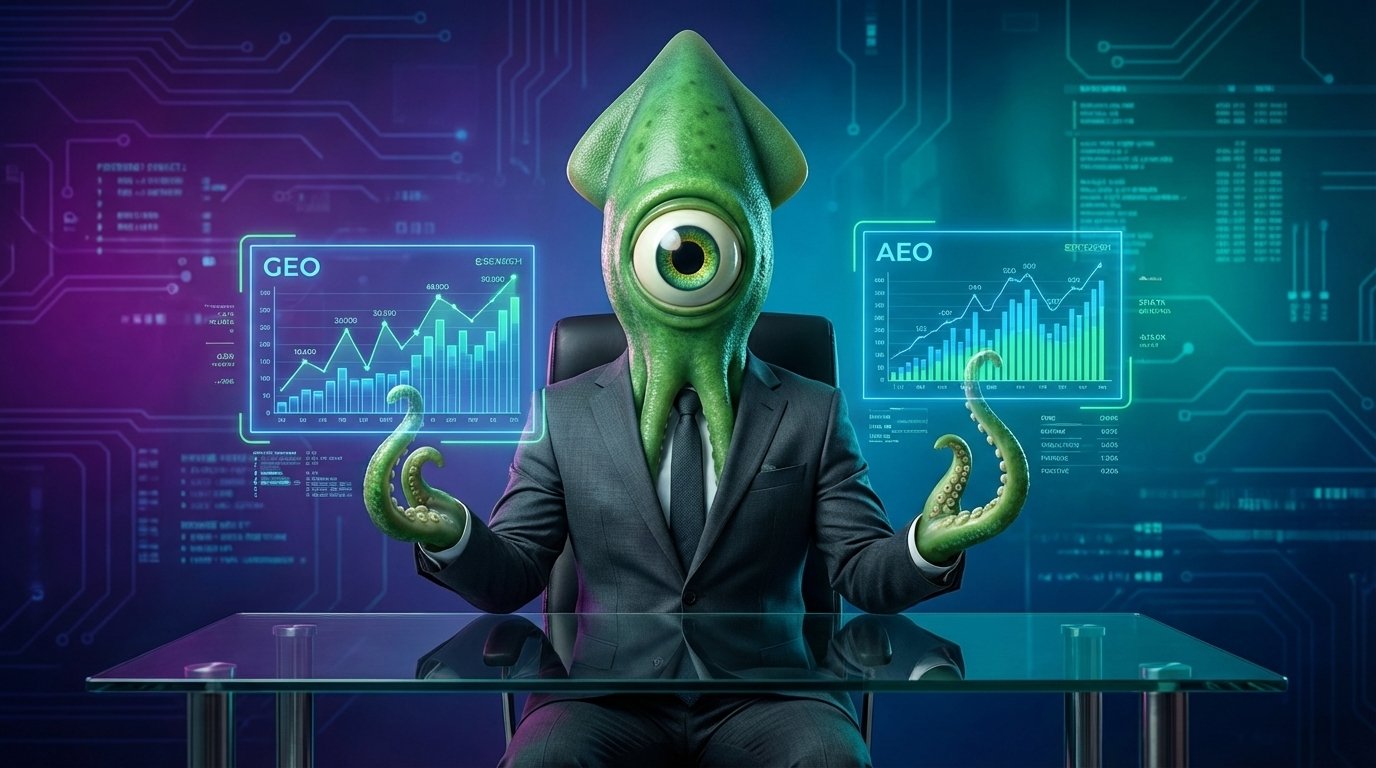
The intent-based digital marketing strategy 2026 flips traditional SEO on its head. In 2026, generative AI and predictive models reshape brand discoverability. Brands must optimize not only for keywords but for intent signals. Moreover, GEO and AEO force brands to be machine-readable and context-ready.
As a result, content needs entity-aware structure, schema markup, and answer-first framing. This means short-form video, social SEO, and CTV matter more than ever. Therefore, paid media and content must align with user intent across AI assistants and platforms.
Generative AI stitches answers from multiple sources, so brands must own clean data. Consequently, first-party and zero-party data become strategic assets. For marketers, the strategy should prioritize consent capture, server-side tagging, and modeled measurement.
In short, this guide offers forward-looking, actionable steps to build intent-led discovery. It blends tactical advice with strategic frameworks for GEO, AEO, Generative AI, social SEO, and CTV. Read on to learn how to structure content, media, and measurement for 2026.
Generative AI’s Role in an Intent-Based Digital Marketing Strategy 2026
Generative AI transforms brand discoverability by shifting focus from isolated keywords to user intent and concise answers. In practice, AI in marketing synthesizes content across web pages, short-form video, social posts, and CTV. As a result, brands must practice GEO (Generative Engine Optimization) and AEO (Answer Engine Optimization) to appear in AI snapshots and answer modules. For example, Google now surfaces AI Overviews that stitch multiple sources, so brands need entity-aware content and clear schema markup to be chosen as sources. See Google’s overview of the Search Generative Experience at Google’s Search Generative Experience for details.
Because Microsoft and other platform providers power enterprise AI search, marketers must also adapt to vendor-specific signals. Microsoft documented updates to Azure AI Search that improve indexing for generative applications at Azure AI Search Updates. Meanwhile, Yext highlights the need for structured answers and knowledge graph readiness; visit their site at Yext for practical guidance.
Experts emphasize the strategic shift. As Duane Forrester says, “This is no longer about optimizing isolated tactics. It’s about aligning brand presence, media efficiency and full-funnel performance around intent.” Moreover, Forrester and practitioners often warn that brands that rely solely on AI will sound the same. Therefore, use AI to scale intent-led storytelling and to surface unique brand expertise.
Practical implications
- Structure content around entities and answer intents. Use schema markup and clear metadata so AI systems can ingest your content.
- Optimize short-form video and social content for answerability. Video clips often feed AI snapshots and social SEO systems.
- Link content to data assets and CRM workflows. As a result, signals from ads, content engagement and loyalty programs inform modeled conversions.
Image concept
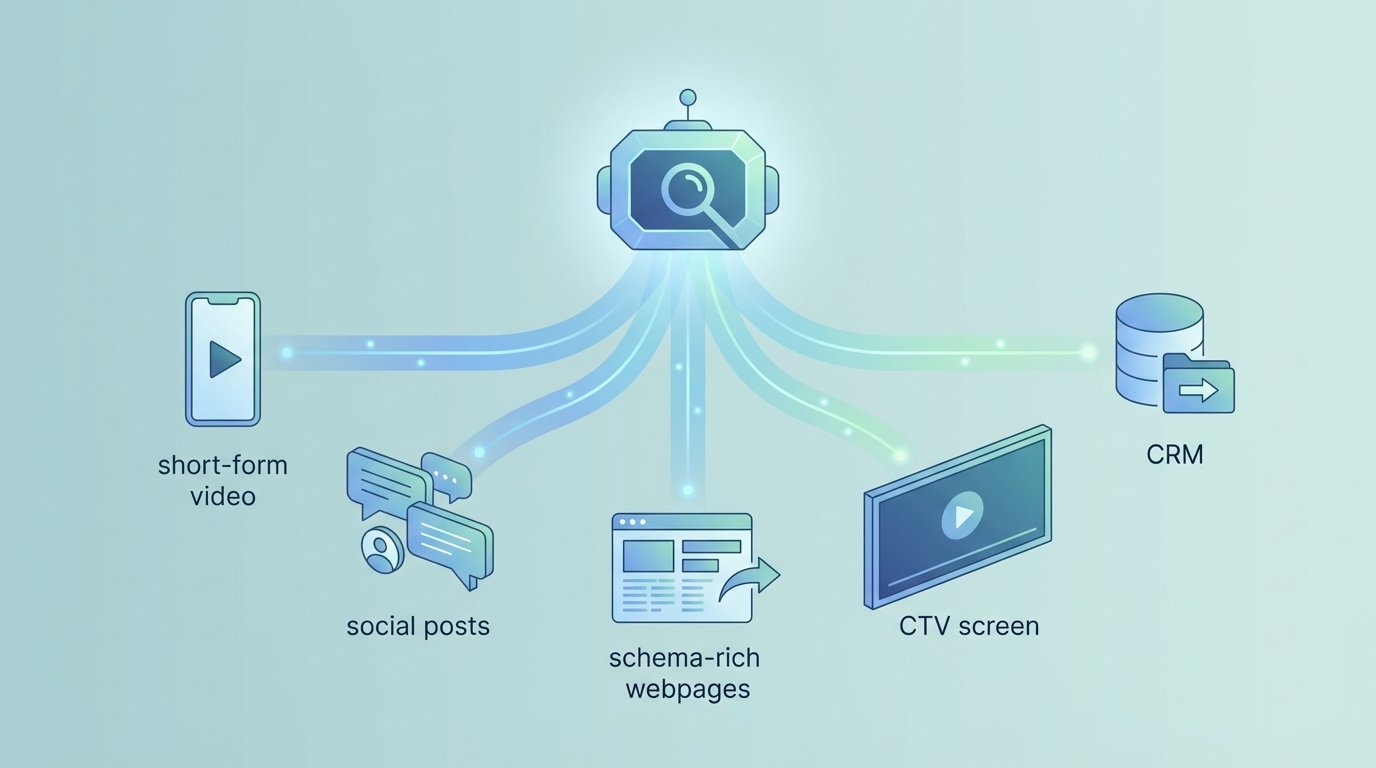
This section outlines how generative AI, GEO and AEO reframe discoverability. Use these tactics to build an intent-based digital marketing strategy 2026 that makes your brand findable by machines and relevant to humans.
| Aspect | Traditional SEO (pre-2026) | GEO & AEO (Intent-based 2026) |
|---|---|---|
| Target | Focuses on keyword relevance and ranking positions. However, the main goal was organic clicks. | Targets user intent and answer inclusion. Therefore, the goal is inclusion in AI snapshots and answer modules. |
| Technology | Relies on crawler indexing, backlinks, and page-level signals. Mostly built for page-rank style search. | Uses generative AI, knowledge graphs, and entity signals. As a result, systems synthesize answers from multiple sources. |
| User intent capture | Infers intent from queries and keyword clusters. Measurement was mainly click and session data. | Captures intent from multi-modal signals: queries, short video views, CTV engagement and social interactions. Consequently, signals feed intent models. |
| Visibility model | Visibility depends on page ranking and SERP features. Rich results helped but were limited. | Visibility is inclusion-based. AI chooses concise answers, so brands must be machine-readable and authoritative. |
| Content formats | Primarily long-form pages, blogs and static FAQ sections. Structured data was optional. | Emphasizes answer-first snippets, entity-based pages, short-form video and schema-rich content. Also supports playlists and content hubs. |
| Measurement | Clicks, organic traffic, rankings and keyword impressions dominated. Attribution was cookie-dependent. | Modeled conversions, clean-room attribution and cross-device signals dominate. Therefore first-party data and consent are essential. |
| Key marketer actions | Optimize on-page SEO, build backlinks and monitor rankings. Continue A/B testing for CTR. | Implement schema and knowledge graphs, optimize video and social for answerability, and improve consent UX. Also deploy server-side tagging. |
| Risk and privacy | Depended on third-party cookies and broad tracking. That created measurement gaps. | Designed for privacy-forward measurement. Consequently teams must invest in first-party capture and modeled outcomes. |
Social SEO, Connected TV and Privacy Implications
Social SEO, Connected TV and evolving privacy rules shape brand discovery in 2026. Social videos and creator storefronts often start the discovery-to-intent path. Therefore brands must design content to be answerable and shoppable across platforms.
CRM integration turns signals into action because it connects marketing to sales. For example, Get My Auto CRM links digital leads to dealership workflows to close deals. Consequently, loyalty programs and content hubs feed richer first-party profiles.
Key impacts and practical steps
- Social SEO amplifies discoverability because platforms surface short clips as answers.
- Creator storefronts convert interest into purchases directly on platform.
- CTV expands reach and supports cross-device attribution. See IAB CTV guidance.
- Privacy and data regulations retired third-party cookies, making first-party data vital.
- “A future-proof digital strategy relies on data you own and measurement systems that don’t collapse under privacy reform.”
- Measurement now uses server-side tagging and modeled conversions because cookies are gone.
- Integrate CRM signals into ad targeting and post-click workflows for better ROI.
- Use consent-first UX to improve capture rates and zero-party data collection.
- For privacy guidance see Google Privacy Sandbox.
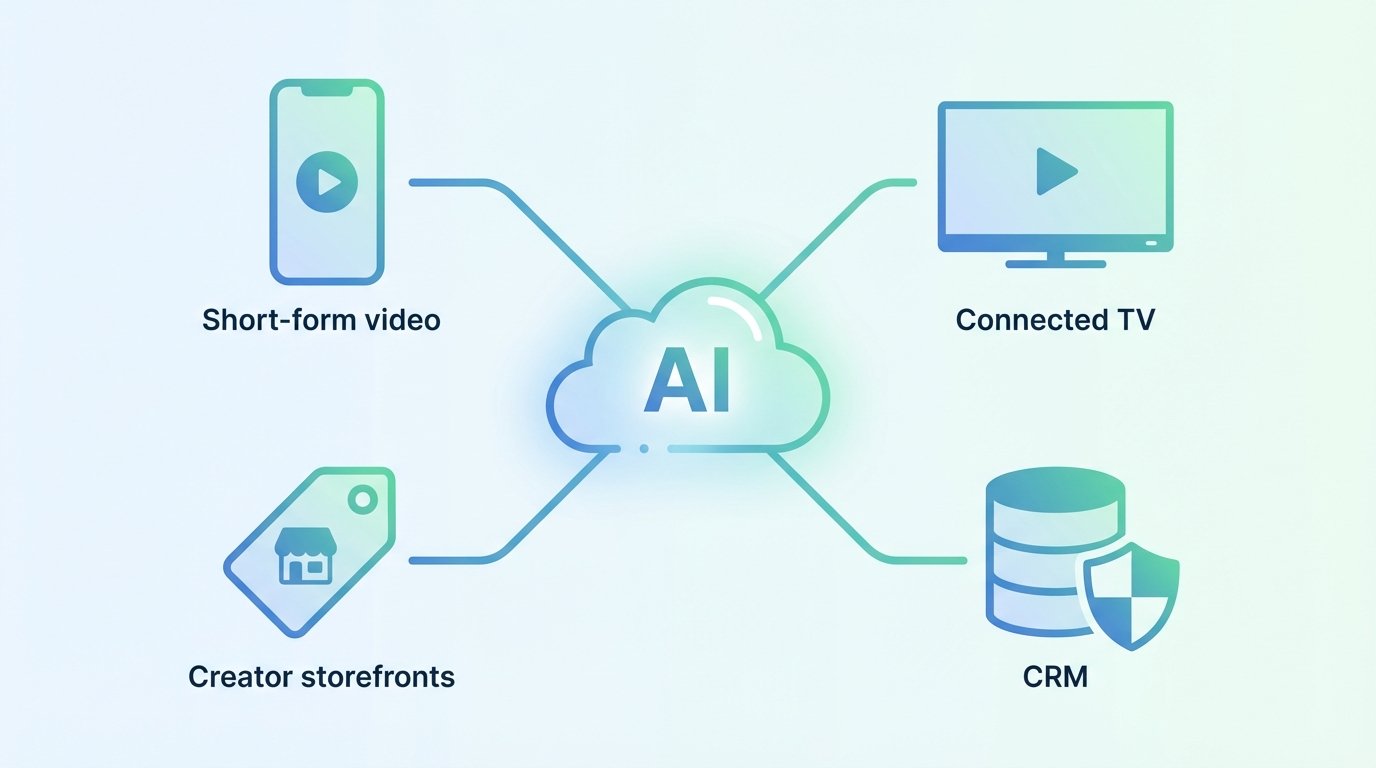
In 2026, social SEO, CTV and privacy form a single ecosystem. Brands that connect content, commerce and CRM will win discovery and trust.
Measurement and Data Strategy for Intent-Based Digital Marketing Strategy 2026
Privacy reform changed how teams measure outcomes. Therefore marketers must build measurement stacks that do not rely on third-party cookies. First-party data and zero-party data become the foundation for optimization and personalization.
A future-proof digital strategy relies on data you own and measurement systems that don’t collapse under privacy reform.
Immediate technical priorities
- Deploy server-side tagging to control event flows and reduce client-side leakage. See implementation guidance at Google Tag Manager – Server-Side Tagging.
- Capture consent-first signals and store them as first-party attributes. As a result, you improve match rates and model accuracy.
- Feed loyalty and content-hub audiences into CRM systems for CRM integration and stronger identity graphs.
Measurement and modelling
- Use modeled conversions to fill gaps when direct observation is impossible. Consequently, models estimate conversions safely and at scale. For background on modeled approaches see Google’s conversion modeling resources.
- Combine modeled outputs with clean-room attribution. Clean rooms let partners measure impact without sharing raw PII. For standards and protocols see IAB Tech Lab’s ADMaP and cloud clean-room guidance.
- Consider cloud vendor options such as AWS Clean Rooms.
Governance and operations
- Define data governance, retention and matching rules.
- Validate models with holdback testing and continuous measurement.
- Finally, align legal, analytics and martech teams to scale privacy-compliant measurement.
Owning clean data and adapting measurement stacks future-proofs marketing. Consequently your brand remains optimizable and discoverable in 2026 and beyond.
Conclusion
Adopting an intent-based digital marketing strategy 2026 is no longer optional. Brands must master GEO and AEO to be visible inside AI answers and agent-driven experiences. Therefore, teams should realign content, media and measurement around intent signals. As a result, brands capture intent earlier and convert it more efficiently.
EMP0 helps companies make that shift with AI-powered tools and full-stack automation. Moreover, EMP0 implements server-side tagging, modeled conversions and clean-room workflows under client infrastructure. Consequently, businesses can multiply revenue while keeping data secure and compliant.
For credibility and resources, visit EMP0 and explore the blog at the blog. Learn about EMP0 integrations at EMP0 integrations.
This future requires action now. Start by auditing entity structure, video assets and consent flows. Finally, build measurement that scales with privacy and keeps your brand discoverable in 2026 and beyond.
Frequently Asked Questions (FAQs)
What is an intent-based digital marketing strategy 2026 and why does it matter?
An intent-based digital marketing strategy 2026 focuses on user intent rather than isolated keywords. It prioritizes GEO and AEO so brands appear in AI snapshots and answer modules. Therefore, this approach improves relevance across AI assistants, social platforms and CTV. As a result, brands capture intent earlier and convert more efficiently.
How do GEO and AEO differ from traditional SEO?
GEO and AEO optimize for generative AI and concise answers. However, traditional SEO emphasizes ranking and backlinks. GEO and AEO require entity-based content, schema markup and answer-first formats. Consequently AI systems can select your content for synthesized answers and AI Overviews.
How does Generative AI change brand discoverability?
Generative AI synthesizes content from many sources. Therefore, brands must be machine-readable and authoritative. Short-form video, social SEO and structured pages now feed AI summaries. Because AI prioritizes concise answers, brand visibility depends on inclusion not just rank.
What measurement and data practices are essential for 2026?
First-party data and zero-party data form the identity foundation. Deploy server-side tagging to secure event flows. Use modeled conversions and clean-room attribution to measure outcomes without broad tracking. Finally, validate models with holdbacks and align legal, analytics and martech teams.
How should brands prioritize social, CTV and CRM integration?
Prioritize short-form video and social SEO for discovery. Invest in Connected TV (CTV) for reach and cross-device attribution. Integrate CRM signals to close the loop and power audience modeling. As a result, content, commerce and CRM work together to drive intent-led growth.