

The Hidden Reality of Humanoid Robots and AI Governance
The world is currently obsessed with the rapid rise of humanoid robots. We see videos of sleek machines performing complex tasks with ease. However, much of this progress relies on a hidden secret. Many companies use human labor to mimic true machine intelligence. This practice creates a false sense of autonomy in the robotics industry. As a result, we must look closer at the actual capabilities of these machines.
Industry leaders like those at Nvidia claim that we are entering a new era of physical intelligence. For instance, the company suggests that robots will soon operate independently in our homes. Yet, the reality involves significant human intervention behind the scenes. Remote tele operators often guide these machines through difficult movements during training sessions. Because of this, the public often overestimates what artificial intelligence can do alone. This lack of transparency raises serious questions about AI governance and accountability here.
We need to understand how these frontier systems really work. Interpretability is not just a technical challenge for engineers at firms like 1X. It is also a vital part of ethical oversight for global regulators. If we cannot see the human behind the machine, we cannot judge the safety of the technology. Therefore, this article explores the shifting market of frontier AI. We will examine the gap between marketing hype and technical reality.
The Mirage of Autonomy in Humanoid Robots
Nvidia leader Jensen Huang often speaks about physical AI. He believes machines will soon move like people. However many experts worry about the lack of transparency in this field. For instance companies often hide the role of human workers. They use remote operators to teach machines simple tasks. Consequently the public believes these systems are more advanced than they really are. Because of this we see a huge gap between hype and reality.
The Neo robot from 1X is a prime example of this trend. This machine costs roughly 20000 dollars and targets home users. Although it looks impressive it may rely on tele operation for difficult chores. Therefore we must question the level of true autonomy in these products. We should also consider the privacy risks of having cameras in our homes. Consumers deserve to know how much human oversight exists here.
Hidden Manual Labor and Humanoid Robots
Expert Aaron Prather highlights a major concern about the development of these machines. He says that the effort to build humanoids will likely require manual laborers. These workers act as data collectors at a massive scale. This means people must perform repetitive tasks to train the software. Instead of pure machine learning we see a heavy reliance on human muscle. Specifically this manual effort is rarely mentioned in flashy marketing videos.
Robotics firms are currently capturing vast amounts of real world data. Likewise they use this information to improve robotic hardware. Yet they remain as opaque about training as AI firms are about their data sources here. Because of this regulators should demand better disclosure. We need to know if a robot is truly smart or just a puppet. Scientists at major universities often study these ethical gaps here. Furthermore the market for frontier AI depends on trust and honesty. If firms hide the human cost then the industry might face a backlash.
Tele Operation and the Quest for Training Data
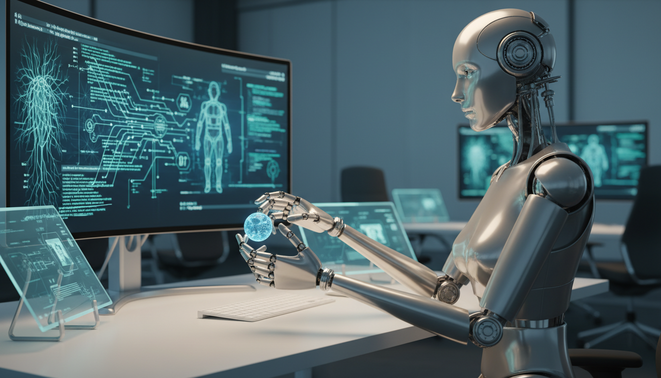
Robotics firms are now racing to collect training data for humanoid robots. However, they often use secret human labor to do so. Tele operation is the primary tool for this task. For instance, workers at Nvidia use virtual reality gear to control robot limbs. This allows the machine to record every tiny motion. As a result, the robot learns how to grab a cup or open a door. While this looks like autonomy, it is really just a digital shadow of a person. Therefore, we should view these breakthroughs with caution. We must ask if these machines can truly think for themselves.
Privacy Risks and Frontier AI Governance
Privacy is another major concern for humanoid robots. Because these machines have many cameras, they see everything in a room. If a remote pilot is guiding the bot, they can see into private spaces. Furthermore, companies like Tesla and Brookfield often keep their training logs secret. This lack of transparency hides the true level of human involvement. Specifically, it makes governance very difficult for international bodies. Aaron Prather notes that the effort to build humanoids will likely require manual laborers to act as data collectors at massive scale. This means the future of robotics relies on a hidden workforce. Consequently, the market for frontier AI remains risky for average users. Industry leaders must be more open about their data sources. Additionally, regulators should demand clear labels on autonomous products. Otherwise, the public will never know the truth about these machines. We need to ensure that technology serves people without stealing their privacy.
Robotics Training and Transparency Comparison
The market for humanoid robots is growing rapidly. Many firms are competing to build the best machines. You can see how these tools improve work in How Do Enterprise AI tools and robotics Boost Productivity?. However each company uses different data collection methods. Some focus on simulation while others use manual labor. For instance How Are Humanoid Robots Transforming Workplaces Today? shows current industry trends.
Nvidia (Nvidia) uses simulation to train its Project GR00T model. This approach allows for massive scale without physical risks. In contrast 1X (1X) relies on human imitation. Their Neo robot learns by watching people perform tasks. You can read about How will Toyota contracts Agility humanoid robots transform production? to see how Agility (Agility) works.
| Company | Robot Model | Training Method | Transparency Level | Data Governance |
|---|---|---|---|---|
| Nvidia | Project GR00T | Simulation and tele operation | Moderate | Collaborative |
| 1X | Neo | Tele operation and imitation | Low | Proprietary |
| Tesla | Optimus | End to end neural training | Very Low | Opaque |
| Agility | Digit | Learning from demonstration | Moderate | Open research |
This data helps us understand the current state of the industry. Therefore we must continue to monitor how these firms handle privacy. Clear governance is necessary for the safe use of frontier AI. Furthermore the public deserves to know how much human effort is involved in machine learning. We need to bridge the gap between marketing and technical reality.
Conclusion
The landscape of humanoid robots is changing fast. While marketing videos show amazing progress, the reality often involves hidden human work. As a result, many people overestimate what these machines can do today. This shift in the market shows a clear need for better governance. Therefore, we must address the issues of interpretability in frontier AI. If we cannot see how a robot makes decisions, we cannot trust its actions. Furthermore, the use of tele operation raises significant privacy concerns for home users.
Regulators and companies need to work together on transparency. We should move away from opaque training processes. Instead, the industry must embrace honest data practices. This will help build public trust in physical AI systems. People deserve to know who is really behind the machine.
At EMP0, we understand these complex challenges. Because we value clarity, our AI and automation solutions empower businesses to use technology with confidence. We focus on making AI systems understandable and secure for every operation. By using our tools, you can leverage automation while maintaining clear oversight. Transparency is at the heart of everything we do.
You can learn more about our work on our blog here. We are dedicated to helping you navigate the future of intelligent machines.
Frequently Asked Questions (FAQs)
What are the current capabilities of humanoid robots?
Currently humanoid robots can perform basic tasks like walking and lifting light objects. For instance they are being tested in hospitality settings at some major hotels. However their ability to handle complex or unexpected situations remains limited. Most machines still require a controlled environment to function safely. Therefore we should not assume they can replace humans in every job yet. Instead they often act as assistants for repetitive movements.
How do companies use tele operation to train humanoid robots?
Companies often use tele operation to bridge the gap between human logic and machine action. Specifically a human operator wears sensors or uses virtual reality to control the robot limbs. The machine then records these motions to build its training data. Because of this the robot can learn how to handle delicate items or complex tools. While this method is effective it often hides the amount of human work involved. Consequently the public may believe the robot is smarter than it actually is.
Why is governance important for humanoid robots?
Governance is vital because these machines collect vast amounts of personal data. They use cameras and microphones to navigate our world. If there are no clear rules then companies might misuse this information. For instance global bodies like the OECD (OECD) are working on ethical guidelines. Furthermore good governance ensures that companies are honest about their technical limits. Without oversight the risk of safety failures increases significantly. As a result we need laws that protect privacy and ensure accountability.
What is the role of training data in robotics development?
Training data is the foundation of modern machine learning for robotics. It provides the examples the machine needs to understand physical interactions. Researchers at schools like MIT (MIT) often study how robots process this data. However collecting this data usually requires massive scale manual labor. Workers must perform thousands of repetitive actions to teach a single skill. Consequently the cost of data is a major hurdle for new firms. Therefore the quality of training data often determines how well a robot performs in real world tests.
Are humanoid robots truly autonomous?
Many robots today are not fully autonomous in the way people think. Instead they rely on pre programmed scripts or remote assistance for difficult tasks. For example firms like 1X (1X) use human feedback to refine their models. While they can perform some actions alone they still need oversight for safety. Because of this the dream of total autonomy is still far away. We must be careful about marketing claims that promise too much too soon. Honesty about these limits is essential for the future of the industry.